Italy Protests Put Defense, Energy and Transport Stocks in Focus
A nationwide strike and protests over living costs and military spending sharpen investor attention on Italian and European equities.
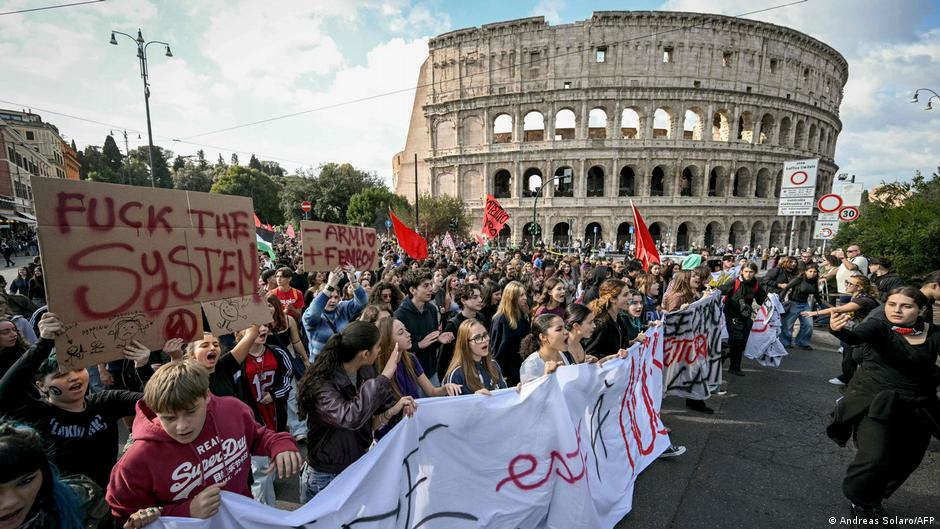
Italian and European equities face a fresh political-risk test after mass demonstrations against the rising cost of living and increased military spending took place across Italy on Friday, Oct. 30, alongside a 24-hour general strike.
Protests were held in more than 60 Italian cities, according to national news agency ANSA. The Unione Sindacale di Base, or USB, which organized the demonstrations, estimated participation at between 1 million and 1.5 million people. Italy’s Interior Ministry reported a substantially lower figure of 255,000.
For Wall Street investors, the immediate focus is likely to fall on European defense, energy, transportation and consumer-sensitive stocks. The protests do not by themselves establish a change in government policy or corporate earnings, but their scale highlights public resistance to higher household expenses and greater military outlays. That tension could influence fiscal debates, capital allocation and investor risk premiums across Europe.
Defense and Energy Shares Face Political Scrutiny
Demonstrators specifically criticized higher apartment rents and fuel prices. One slogan summarized the protesters’ demands: “We need more housing, not more bombs.” The message places two politically sensitive spending categories—housing and defense—in direct competition and may attract scrutiny from equity analysts tracking government contractors and companies exposed to household energy costs.
Italy’s Leonardo is an obvious listed defense name for investors to monitor, while other major European contractors could also come into focus if the protest movement increases pressure on governments to reconsider the pace or composition of military spending. No policy reversal was announced in the source report, and the demonstrations therefore represent a political-risk signal rather than evidence of an immediate change to defense revenue expectations.
Energy investors may similarly watch Italy’s Eni and fuel-distribution businesses for signs that political leaders will respond to public anger over fuel prices. Potential responses could affect taxation, subsidies or pricing policy, although no such measures were reported. Consumer stocks also warrant attention because sustained increases in rent, transport and energy costs can constrain discretionary household spending.
Transportation and other domestically exposed companies may encounter near-term operational questions following the USB-led general strike. The report did not provide company-level disruption figures, stock-price reactions or trading-volume data. Investors should therefore avoid treating the demonstrations as proof of material earnings damage without further disclosures from affected businesses.
Mostly Peaceful Protests, With Clashes in Two Cities
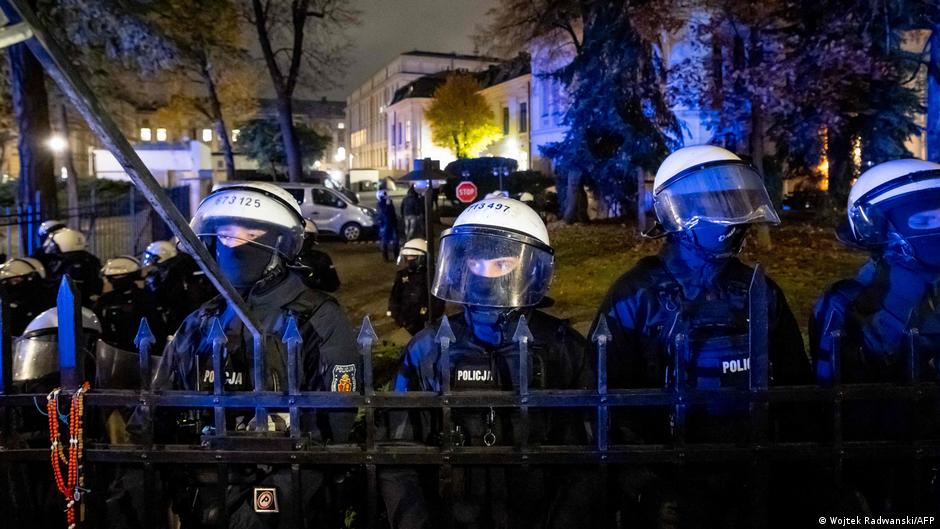
The demonstrations were largely peaceful, according to ANSA, except in Rome and Turin. In those cities, some participants began setting fire to garbage bins and throwing objects at police during the evening. Law enforcement officers responded with tear gas and water cannons.
“The measures taken were balanced and effective,” Interior Minister Matteo Piantedosi wrote on X, adding that they protected the right to peaceful demonstrations despite attempts by some individuals to provoke disorder and violence.
From an equity-research perspective, the limited geographic scope of the disorder may reduce the probability of broad, immediate economic disruption. The more important market issue is whether repeated demonstrations lead to prolonged strikes, weaker consumer confidence or changes in national spending priorities. Those outcomes would carry greater implications for earnings forecasts and valuation multiples than a single day of unrest.
European Protest Wave Broadens the Risk
The Italian protests form part of a wider wave of demonstrations that has reached other European countries in recent weeks. France has experienced protests that developed into riots and clashes with police in several cities, while demonstrations have also taken place in Belgium.
Similar actions are scheduled for Oct. 31 in more than 30 German cities following a call from the Gen-Z regelt movement, whose name translates as “Generation Z decides.” Tens of thousands of mainly young people are expected to participate. Their concerns include the rising cost of living and the potential return of military conscription, while they are also demanding increased education spending. Experts expect the German demonstrations to remain largely free of disorder.
The cross-border character of the protests may matter more to global portfolio managers than any single national event. A sustained European movement could encourage rotation away from politically exposed defense contractors or consumer-facing businesses and toward companies seen as less dependent on public budgets and domestic demand. Conversely, defense shares may remain supported if governments maintain procurement plans despite public opposition.
Trading desks will be watching for unusual volume in Italian and broader European sector leaders as markets assess whether the demonstrations remain symbolic or begin to affect policy. With no reported company-specific financial impact, the near-term investment case rests on headline sensitivity, sector rotation and the possibility of higher political-risk discounts rather than confirmed changes to corporate fundamentals.