G20 Ukraine Standoff Keeps European Defense and Energy Stocks in Focus
Kaja Kallas said Russia showed no readiness for peace talks, leaving investors to assess prolonged geopolitical risk across European equities.
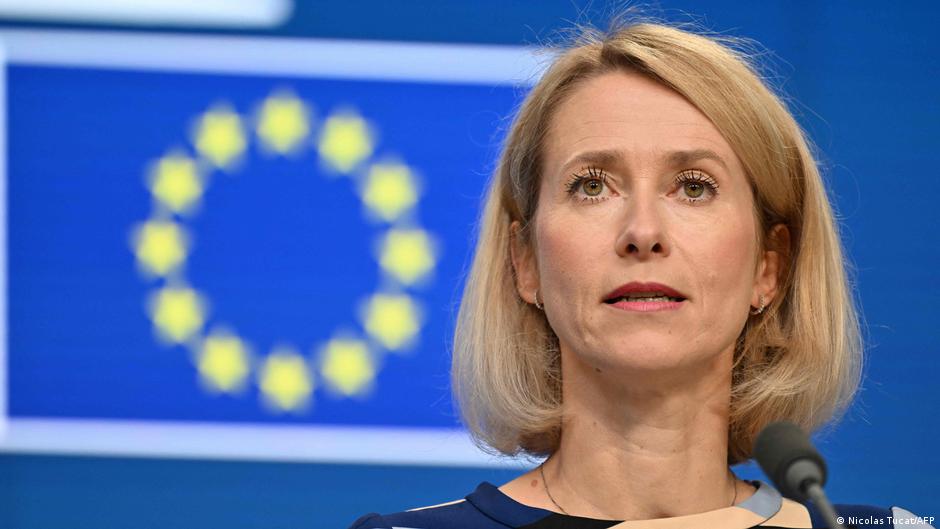
European defense, energy and banking stocks remain exposed to an extended period of geopolitical uncertainty after the European Union’s foreign policy chief said Russia offered no indication that it was prepared for peace negotiations over Ukraine at a Group of 20 meeting in Atlanta.
Kaja Kallas, the EU’s high representative for foreign affairs and security policy, said on Friday, Oct. 30, that Russian Foreign Minister Sergei Lavrov did not demonstrate Moscow’s willingness to enter substantive peace talks during the gathering of G20 foreign ministers in the United States.
Asked by an AFP journalist whether Lavrov had signaled readiness to make concessions to end the war, Kallas answered in the negative. She argued that Moscow’s conduct carried more weight than its public statements.
“Even if they claimed otherwise in words, their actions say something else,” Kallas said.
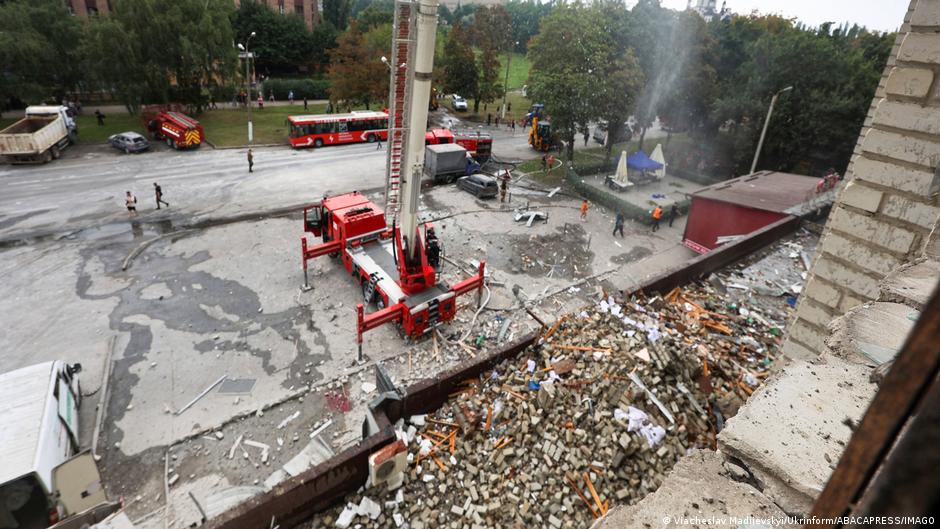
Kallas said Russia must prove through its actions that it is prepared to negotiate. She also noted that July, August and September were the deadliest months for Ukrainian civilians, reinforcing her call for greater pressure on Moscow.
Defense shares remain the clearest equity proxy
For Wall Street and European equity investors, the comments offer no fresh basis for pricing a rapid reduction in defense spending or geopolitical risk. Large listed defense contractors—including Rheinmetall, BAE Systems, Leonardo, Saab and Thales—are among the individual stocks most directly associated with expectations for sustained European military procurement.
The absence of a diplomatic breakthrough does not establish a specific direction for those shares in the next trading session. It does, however, leave intact the central research question surrounding the sector: how much of Europe’s anticipated rearmament cycle is already reflected in valuations, and how durable order growth would remain if negotiations eventually began.
Trading volumes in defense names will therefore be important when markets next respond to developments from the G20 meeting. A price move accompanied by unusually heavy turnover would indicate broader portfolio repositioning, while a muted-volume reaction would suggest that investors view the diplomatic impasse as consistent with existing expectations rather than a new catalyst.
Kallas also accused Lavrov of presenting false and distorted information during the meeting. “Of course, he voiced many lies, many distorted facts, which we were subsequently able to refute,” she said. Her demand for intensified pressure on Moscow keeps the possibility of additional sanctions or tighter enforcement in the market’s geopolitical risk framework, although she did not announce any specific measures.
Energy, banks and industrials face competing pressures
The investment implications extend beyond defense. European energy producers and oil-services companies can remain sensitive to any development that changes expectations for Russian supply, sanctions enforcement or global commodity flows. By contrast, energy-intensive manufacturers may face pressure if geopolitical tension contributes to higher input costs.
Banks with significant European operations are another group for investors to monitor. A prolonged conflict can support defense-related fiscal activity, but it can also weigh on business confidence, cross-border investment and regional risk appetite. Industrial companies may experience a similarly mixed effect, with potential opportunities from public spending offset by energy costs and weaker economic visibility.
That backdrop favors selective sector rotation rather than a uniform risk-on or risk-off response. Equity research desks are likely to distinguish companies with visible government-backed order books from businesses whose earnings depend more heavily on stable commodity prices, consumer demand or unrestricted international trade.
German Foreign Minister Johann Wadephul had earlier said that European participants at the G20 foreign ministers’ meeting refused to join a group photograph with Lavrov because of the continuing war in Ukraine. The gesture underscored the lack of normalization between Russia and European governments.
“There are no normal relations with Russia,” Wadephul said.
The German minister acknowledged that contact with the Russian side remained necessary to discuss disagreements. He stressed, however, that such engagement should not create the impression that relations were returning to their usual format.
For equity investors, the immediate takeaway is the absence of a credible de-escalation signal. That leaves defense contractors, energy companies, banks and industrial exporters tied to the same geopolitical scenarios that have shaped positioning throughout the war. Without concrete negotiations or new policy measures, stock-specific earnings, valuation and order-flow data are likely to determine whether the diplomatic standoff produces meaningful rotation or merely reinforces positions already held by the market.