Belgorod Reservoir Dries Up Following Ukrainian Military Strikes, Impacting Regional Water Supply
Uncontrolled water discharge after multiple attacks has severely depleted the Belgorod Reservoir, raising concerns for local infrastructure and industries.
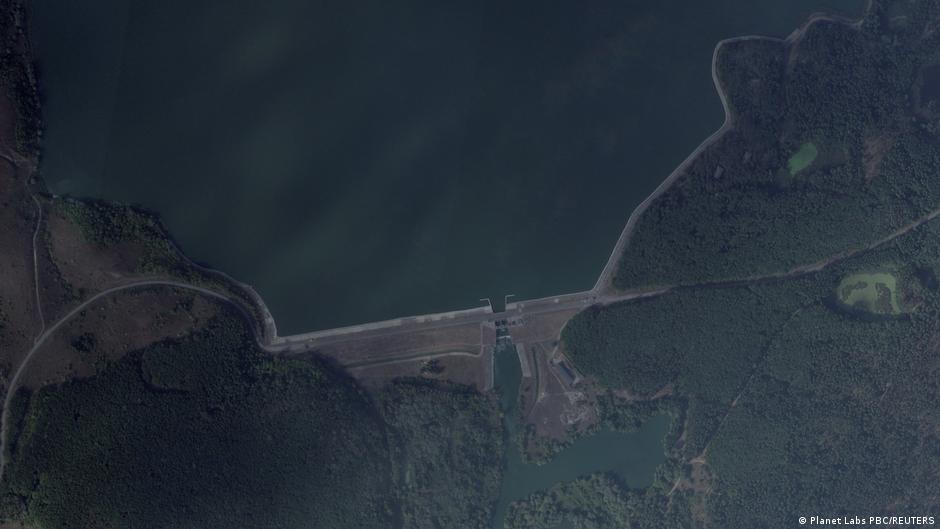
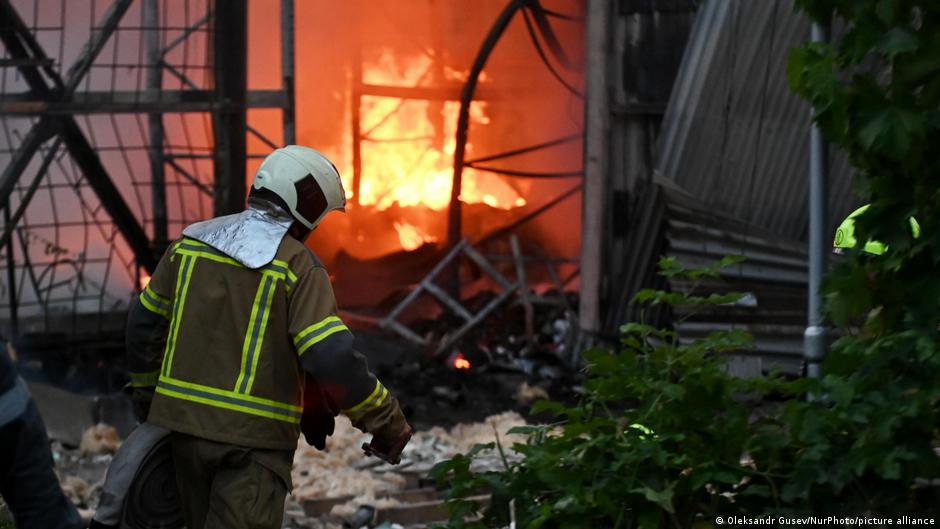
In the wake of renewed Ukrainian military strikes on the Belgorod Reservoir dam in July 2026, the reservoir has experienced significant depletion due to an uncontrolled release of water. Eyewitness reports indicate that water depths have dropped dramatically, ranging from just 10 to 40 centimeters.
Local sources reported on August 2 that the reservoir's water levels had plummeted to near the historic bed of the Seversky Donets River following the attacks. Efforts by Belgorod regional authorities reportedly managed to halt the uncontrolled discharge, but not before substantial water loss occurred.
Implications for Regional Markets and Sector Rotation
The drying of the Belgorod Reservoir is expected to reverberate through several economic sectors, particularly impacting utilities, agriculture, and industries reliant on stable water supplies. Companies involved in regional water management and infrastructure could face increased operational risks and potential downtime.
From an equity market perspective, stocks tied to Russian water resource management, agricultural production, and industrial manufacturing in the Belgorod region may experience volatility as investors reassess risks stemming from infrastructure vulnerabilities and geopolitical tensions.
"The reservoir's rapid depletion underscores the fragility of critical infrastructure in conflict zones, which can trigger ripple effects across associated sectors," said a regional market analyst.
Moreover, the attacks and ongoing instability may prompt a sector rotation out of regional utilities and industrials toward defensive stocks and commodities perceived as safer in the current geopolitical climate. Trading volumes in affected stocks could see spikes as investors react to unfolding developments.
Previous strikes on the reservoir in October 2025 caused damage to hydraulic structures and water release, setting a precedent for operational disruptions. The recent July strikes in the Bezlyudovka and Grafovka areas of the Shebekinsky district intensified the situation, resulting in an intense, uncontrolled outflow of water.
Market analysts and equity researchers are closely monitoring the situation, noting that further escalation could impact broader supply chains and regional economic stability, factors that will likely influence investment decisions and market sentiment in the near term.