Armenia's Parliamentary Vote Recount Impacts Political Bloc Outcomes Amid Market Sensitivities
Recount of over 30% of Armenian polling stations changes vote counts for key parties, reflecting political uncertainty with implications for international investor sentiment.
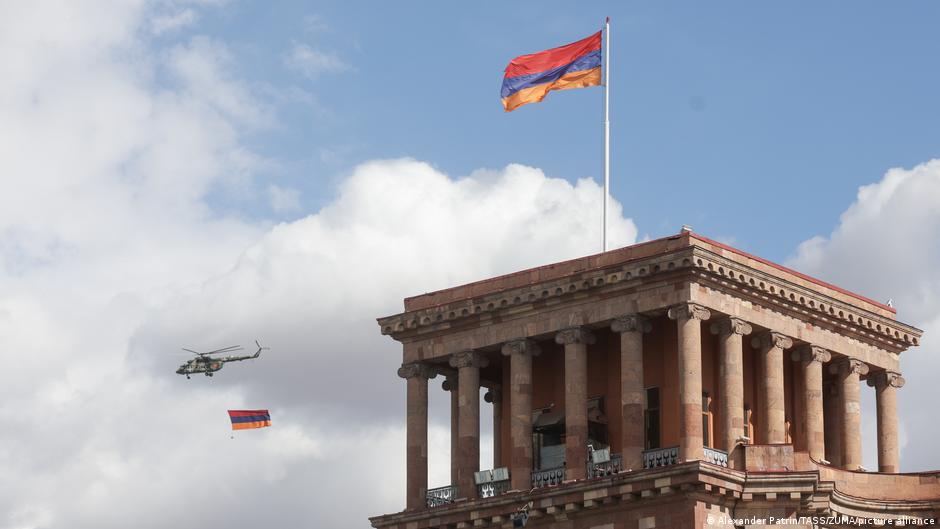
Armenia’s Central Electoral Commission (CEC) has completed a recount of votes from 637 out of 2,005 polling stations following a challenge by the pro-Russian opposition bloc Strong Armenia. The recount, covering nearly one-third of the total polling sites used in the June 7 parliamentary election, has resulted in adjusted vote totals across major political factions.
The opposition bloc Strong Armenia, led by Russian-Armenian billionaire Samvel Karapetyan, saw its vote count rise by 508 votes to a total of 340,088. Other parties also reported increases: Prosperous Armenia, led by businessman Gagik Tsarukyan, gained 147 additional votes, reaching 58,378; ruling Civil Contract party headed by Prime Minister Nikol Pashinyan increased its votes by 1,148, totaling 727,820; and the Armenia bloc, led by former president Robert Kocharyan, added 217 votes to reach 145,113.
Market Implications of Political Uncertainty
The recount and the overall political context contribute to heightened uncertainty regarding Armenia’s political trajectory. This uncertainty resonates on global financial markets, particularly among investors monitoring emerging markets and geopolitical risks. The ruling party’s victory, though decisive with nearly 50% of the vote, came under scrutiny as opposition claims of electoral violations and ongoing investigations into alleged irregularities persist.
"The Central Electoral Commission’s verification process, while adjusting vote totals, underscores the contested nature of the election outcome and reinforces the political volatility facing Armenia," said a regional equity analyst.
From a Wall Street perspective, the political developments in Armenia may trigger cautious sector rotation, especially in emerging market funds and geopolitical risk hedges. Stocks tied to sectors sensitive to political risk—such as regional infrastructure, commodities linked to Eurasian trade routes, and Russian-linked enterprises—may experience fluctuations as investors recalibrate risk premiums.
Moreover, the involvement of prominent business figures like Karapetyan, who remains under house arrest on charges he disputes as politically motivated, adds complexity to market sentiment. His bloc’s vote increase, albeit modest, signals sustained support that could influence future policy directions affecting commerce and investment.
Trading volumes in emerging market ETFs and Armenian regional stocks might reflect heightened activity as traders respond to election updates and potential shifts in governance. Equity researchers emphasize close monitoring of political developments, given their potential to affect currency stability, foreign direct investment inflows, and credit ratings.
The CEC is expected to finalize official election results by June 14, providing further clarity. Meanwhile, market participants will weigh the balance between pro-Western governance under Pashinyan and the pro-Russian opposition blocs’ influence, which could shape Armenia’s geopolitical alignment and economic policies.
In summary, the Armenian parliamentary vote recount highlights the intersection of electoral politics and market dynamics, underscoring the importance of political stability in investment decision-making frameworks focused on frontier and emerging markets.