Wildberries Logistics Hubs Targeted in Multiple Russian Regions Amid Ongoing Conflict
Attacks on Wildberries warehouses in Saint Petersburg, Tver, and Crimea raise concerns over supply chain disruptions and investor sentiment.
Wildberries, one of Russia's largest e-commerce companies, has sustained multiple attacks on its logistics facilities across key regions, including near Saint Petersburg, Tver, and the annexed Crimea. These developments have caught the attention of market analysts monitoring potential impacts on sector rotation, trading volumes, and equity valuations within the Russian retail and logistics sectors.
Details of the Attacks and Operational Impact
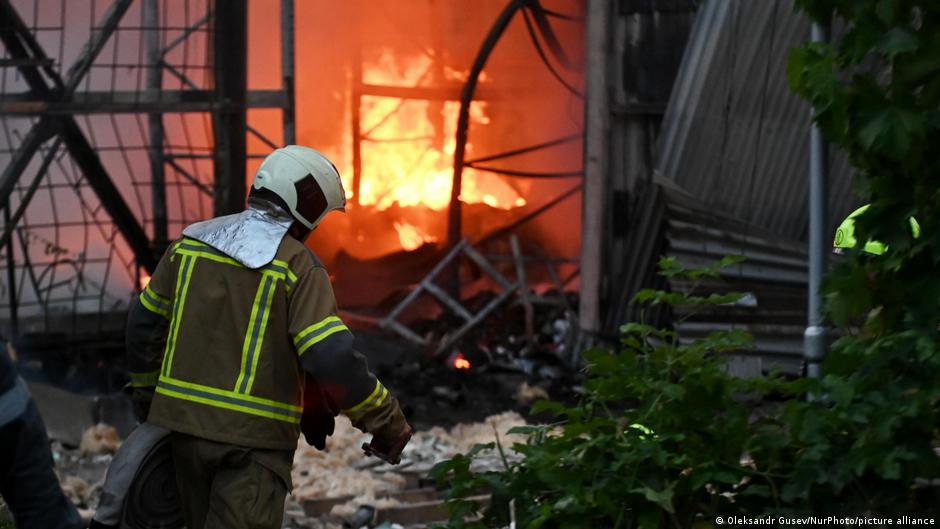
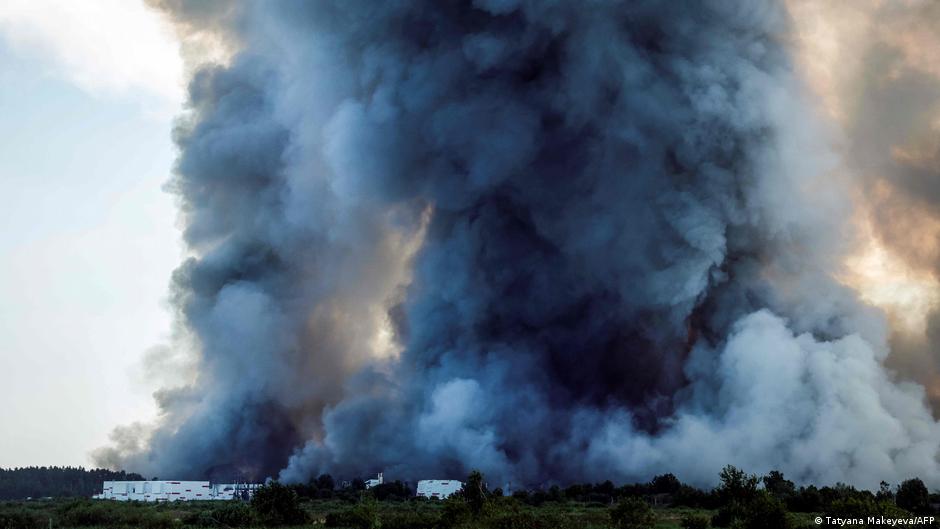
On the night of July 24, reports surfaced on social media and Telegram channels about fires breaking out at several Wildberries warehouse complexes. The facility near Saint Petersburg, located in the village of Novosaratovka in the Vsevolozhsky District of the Leningrad Region, was reportedly set ablaze following an attack that Ukrainian sources attribute to ongoing hostilities.
Visual evidence included images of thick black smoke rising above the city, with eyewitness videos circulating online purportedly capturing the moment of attack. The company confirmed that operations at its logistics centers in Saint Petersburg's Shushary and Utkina Zavod districts were temporarily suspended, with updates on resumption pending.
Similar strikes were reported against Wildberries hubs in Tver and the city of Simferopol in Crimea. The sorting center in Simferopol was evacuated as a precaution, according to local sources. Additionally, an attack on an electrical substation in Sudak, Crimea, reportedly caused power outages and water supply disruptions, although this information remains unverified.
"The work of the logistics complexes in Shushary and Utkina Zavod has been temporarily suspended. Further information on resumption will be provided," Wildberries' press service stated.
These attacks form part of a broader pattern of targeted strikes on Wildberries infrastructure that have previously hit facilities in Elektrostal near Moscow, Kotovsk in Tambov region, Krasnodar, and Nevinnomyssk in Stavropol Krai. As of late July, estimates suggest that approximately 10% of Wildberries' logistics capacity, equating to over 550,000 square meters, has been affected by these incidents.
Market Implications and Sectoral Outlook
The ongoing damage to Wildberries' logistics network has potential ramifications for the Russian e-commerce and retail sectors. Investors may anticipate increased volatility in the shares of companies reliant on logistics and supply chain stability amid conflict-related disruptions.
Sector rotation could see market participants shifting away from retail and transportation stocks prone to operational risk towards more defensively positioned sectors. Trading volumes might spike as investors respond to the heightened uncertainty and reassess equity research outlooks.
From an equity research perspective, analysts will likely incorporate increased risk premiums for companies exposed to the Russian logistics infrastructure. The destruction of key distribution centers not only impairs immediate revenue streams but also raises concerns about longer-term operational resilience and cost structures.
Notably, Ukrainian President Volodymyr Zelensky justified the attacks as countermeasures against Russia's strikes on civilian infrastructure, claiming that Wildberries' logistics centers were used to supply components for drones and navigation equipment under sanctions. This geopolitical dimension adds complexity to the risk assessment for investors and equity analysts following the affected sectors.
Overall, the strategic targeting of logistics hubs by Ukrainian forces may accelerate shifts in sectoral investment patterns on Wall Street, particularly for funds with exposure to Russian equities or related global supply chains.