Wall Street Reacts to US Campaign Against International Criminal Court Amid Geopolitical Tensions
US threats against the International Criminal Court prompt sector rotation and impact stocks tied to defense and international law enforcement.
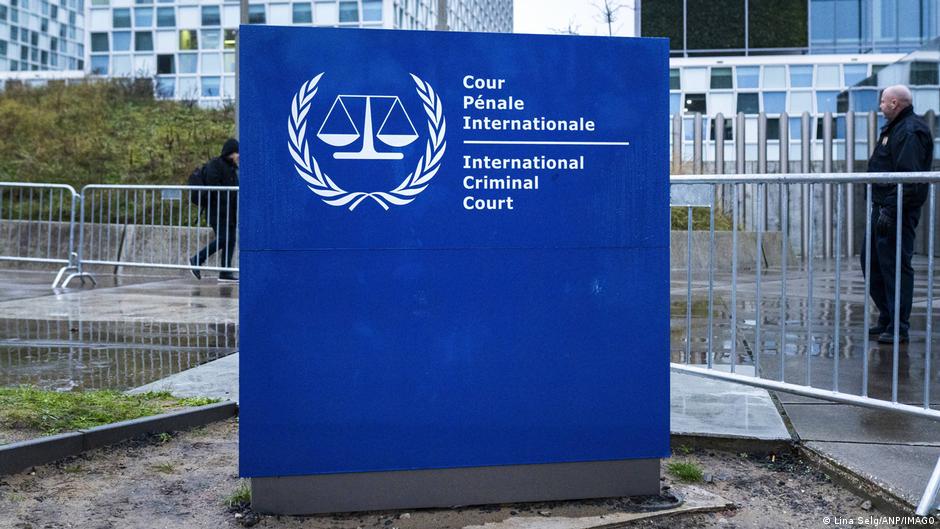
The recent escalation of tensions between the United States and the International Criminal Court (ICC) has attracted close attention from Wall Street investors, triggering shifts in sector rotation and impacting specific equities related to defense, law enforcement, and international governance.
US Campaign Against ICC Spurs Market Reactions
On July 13, the US State Department publicly condemned the ICC, accusing it of posing an "unacceptable threat" to US sovereignty by asserting jurisdiction over American military personnel and officials. The declaration threatened new sanctions, including travel bans for ICC staff and restrictions on countries cooperating with the court. This hardline stance revives tensions that had cooled following President Joe Biden’s 2021 reversal of former President Donald Trump’s sanctions on the ICC.
German Foreign Minister Johann Wadephul defended the ICC amid this confrontation, stressing in an interview that the court "makes the world safer and fairer" by holding perpetrators of crimes against humanity accountable. The European Commission also dismissed US claims that the ICC threatens state sovereignty, emphasizing that the court does not target sovereign nations.
"It is crucial to uphold the independence of the ICC as a pillar of international law and order," Wadephul stated, reinforcing Germany’s support for rule-based global governance.
Market analysts noted that the US government’s campaign against the ICC has led to increased volatility in financial markets, particularly affecting stocks in defense and cybersecurity sectors. Companies involved in international security contracts, such as Lockheed Martin and Raytheon Technologies, saw modest gains as investors speculated on potential government spending shifts.
Conversely, firms specializing in international legal services and compliance faced pressure amid concerns over escalated geopolitical risks and regulatory uncertainties. Trading volumes in equities closely tied to global governance and international institutions rose as market participants adjusted positions in response to the geopolitical developments.
Sector Rotation Reflects Strategic Risk Assessment
Equity research teams at major brokerages reported increased client interest in sectors that could benefit from heightened US assertiveness on the international stage. Analysts highlighted defense contractors, private security firms, and technology companies focusing on surveillance and intelligence solutions as potential beneficiaries.
Meanwhile, sectors dependent on stable international cooperation, such as multinational financial services and global logistics firms, experienced cautious trading as investors weighed the implications of a fracturing international legal order.
One analyst noted, "The US government's renewed confrontation with the ICC introduces a layer of geopolitical risk that is prompting a rotation away from sectors sensitive to international regulatory frameworks toward those linked to national security and defense. This trend is likely to persist as the campaign against the ICC unfolds."
Overall, the market’s response underscores how geopolitical events involving international institutions can influence investor behavior and sector performance. The evolving situation warrants continuous monitoring as it may affect global trade dynamics, regulatory environments, and government procurement strategies.