Uzbekistan's Rising Meat Imports May Impact Market Sectors and Trading Dynamics on Wall Street
Significant growth in Uzbekistan's meat imports highlights potential sector rotation and trading volume shifts in related equity markets.
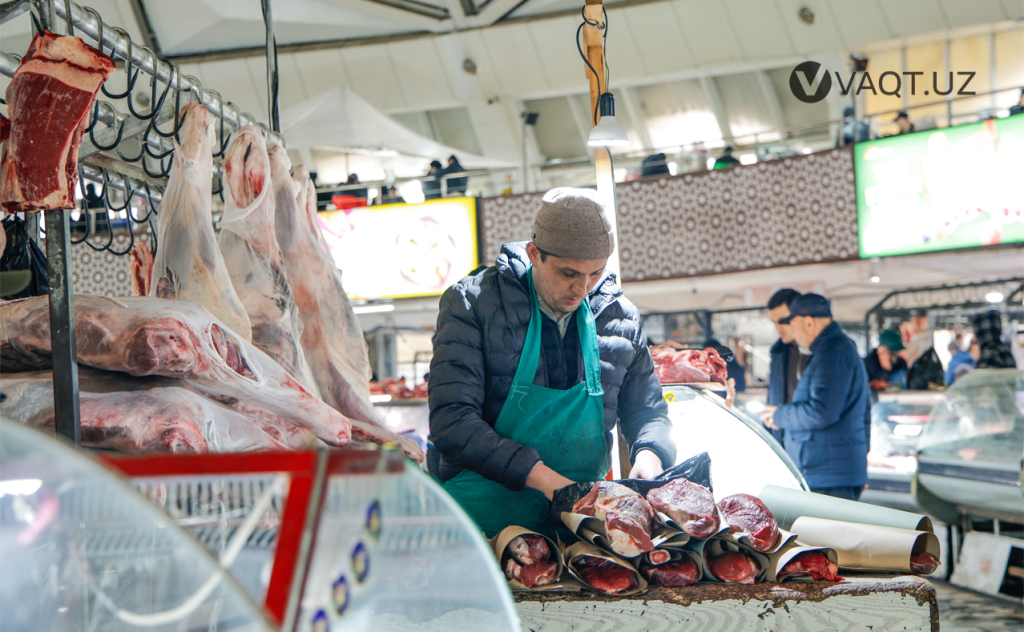
Uzbekistan has experienced a dramatic increase in meat imports, with values reaching $320.6 million in the first four months of 2026, marking a 62.8% rise compared to the same period in 2025. This surge reflects a slowing domestic production sector and growing reliance on costly foreign meat products, trends that could influence related sectors and trading volumes on Wall Street.
Market Implications of Uzbekistan's Meat Import Surge
The Customs Committee reports that the volume of imported meat products grew by 36.6% to 98,000 tons, with beef accounting for nearly half of this figure at 49,850 tons, followed by 22,700 tons of chicken. The price per kilogram of imported beef has increased from $4.07 in 2025 to $4.80 in 2026. Similarly, mutton imports have seen prices jump from $1.03 to $2.87 per kilogram, while chicken prices have slightly declined to $1.20 from $1.22 per kilogram.
“Uzbekistan’s meat import prices increased significantly due to global instability, logistical challenges, and inflationary pressures,” market analysts highlight.
This price inflation is compounded by a slowdown in local meat production, which grew a modest 2.9% in Q1 2026, the slowest growth rate since 2022. Rising feed costs for livestock have been a primary factor constraining domestic output, particularly among small-scale farmers and private plots where meat production has declined.
The Uzbek Central Bank data aligns with these trends, showing beef prices rose 23.9% in 2025, boneless beef prices by 25%, and mutton by 26.9%. By March 2026, year-on-year price increases remained high, with beef up 15.1%, boneless beef 15.5%, and mutton 18.2%. Retail prices in markets and supermarkets have seen even steeper increases, with meat prices rising up to 259,000 Uzbek soms.
For Wall Street investors, these developments suggest potential shifts in sector rotation and trading volumes. Companies involved in agricultural commodities, livestock feed production, and meat processing could experience volatility or growth opportunities. Additionally, importers and distributors focusing on Central Asian markets may see changes in supply chain costs and margins.
Sector research indicates that sustained import price inflation combined with domestic production constraints may pressure equities linked to meat supply chains, while potentially boosting related agribusiness firms specializing in feed or alternative protein sources. Trading volumes in these sectors might increase as investors react to evolving market fundamentals.
In conclusion, Uzbekistan's rising dependence on imported meat products amid global price pressures and slower domestic growth highlights a complex market dynamic. Equities in agriculture, food processing, and logistics sectors could be influenced in the near term, warranting close attention from Wall Street market participants.