NATO-Serbia Joint Military Exercises Mark New Chapter Amid Balkan Neutrality
Serbia hosts first-ever joint military drills with NATO, involving 600 troops amidst delicate geopolitical context.
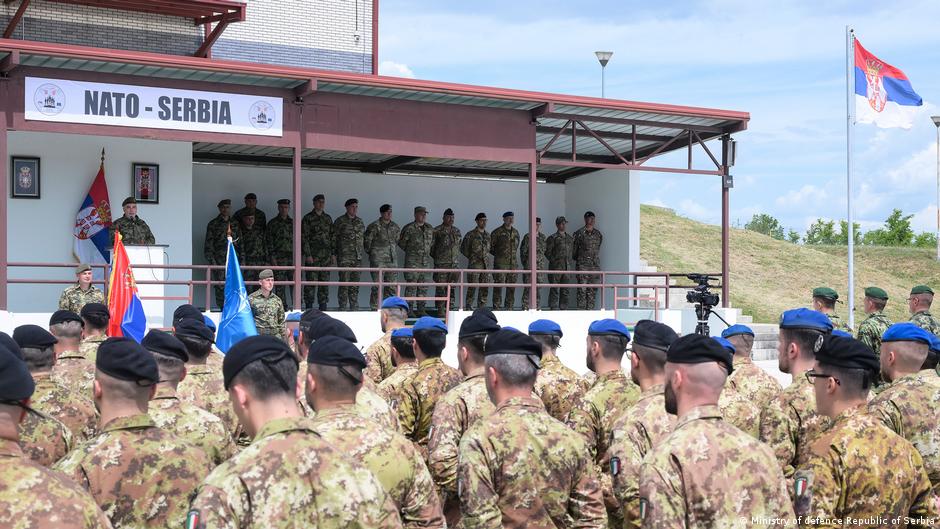
In a historic development, Serbia is conducting its first joint military exercises with NATO forces, signaling a nuanced shift in regional defense cooperation. The drills, named "NATO-Serbia," are taking place within the framework of NATO's Partnership for Peace program and are scheduled to continue until May 23.
Approximately 600 soldiers from Serbia, Italy, Romania, and Turkey are participating, alongside observers from various NATO countries including Germany. The exercises are being held at the Borovac training ground near the city of Bujanovac, located in central Serbia.
Strategic Implications for the Balkan Defense Landscape
While Serbia maintains a declared policy of military neutrality and is not a NATO member, it has been a participant in the Partnership for Peace program for nearly two decades. The current maneuvers are the first to be co-organized directly by Serbian Land Forces Command and NATO’s Joint Forces Command based in Naples, Italy.
"This is an important exercise. Serbia acts as the host country, and the drills are conducted fully in line with Serbia's policy of military neutrality," a NATO representative said.
Historically, Serbia's relationship with NATO has been complex, especially since the 1999 NATO bombing campaign during the Kosovo conflict. NATO continues to lead the peacekeeping mission KFOR in Kosovo, a territory whose independence Serbia does not recognize. This backdrop adds sensitivity to the current cooperation.
From a market perspective, these developments may influence equity sectors related to defense and international security, as well as geopolitical risk premiums impacting regional investments. The defense sector could see increased investor attention on companies involved in multinational exercises, military technology, and logistical support services. Additionally, the broader Eastern European geopolitical environment is a factor for sector rotation between risk-on and risk-off assets.
Trading volumes in defense stocks might experience short-term volatility as investors respond to evolving alliances and strategic partnerships. Equity research teams are likely to reassess geopolitical risk models and defense sector outlooks in light of Serbia's milestone cooperation with NATO.
Overall, the NATO-Serbia joint exercises represent a significant step in Balkan military collaboration, potentially affecting regional stability and international investment considerations.