UAE’s Covert Military Actions Against Iran Shift Gulf Security Dynamics and Market Sentiment
Secret UAE strikes on Iran escalate regional tensions, influencing defense stocks and prompting sector rotation on Wall Street.
The United Arab Emirates (UAE) has been conducting undisclosed military strikes against Iran, marking a significant escalation in Gulf regional security dynamics and prompting shifts in investor sentiment across defense and energy sectors on Wall Street.
Background and Regional Implications
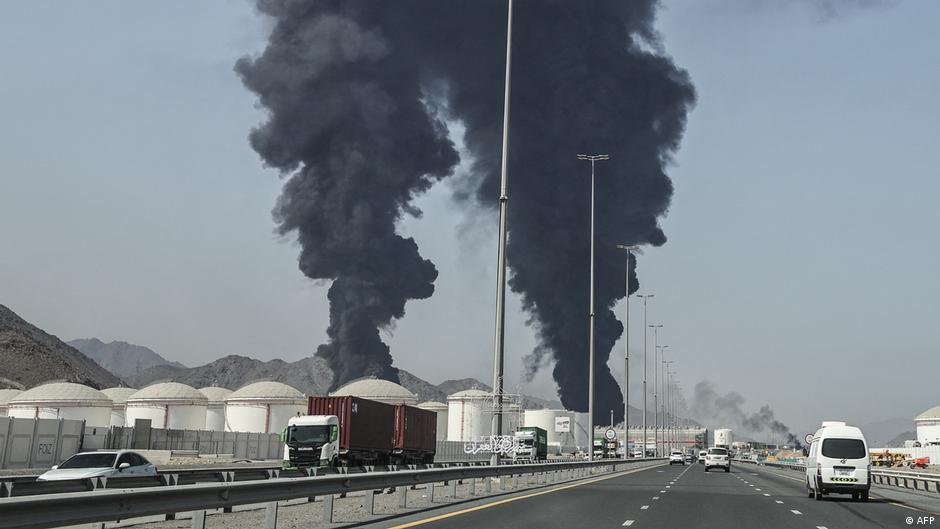
According to informed sources cited by The Wall Street Journal, the UAE launched a covert attack in early April targeting an oil refinery on Iran's Lavan Island in the Persian Gulf. This strike followed multiple missile and drone attacks by Iran on UAE territory, which have disrupted aviation, tourism, and real estate markets within the Emirates.
“The UAE is now an active participant in the conflict, responding to Iranian hostilities that have severely impacted its economy and security,” analysts note.
Despite the UAE's official silence on the matter, these military actions indicate a strategic pivot in Abu Dhabi’s defense posture. Combined with Washington's tacit approval and broader Gulf state involvement, the conflict risks further destabilizing an already volatile region, with ramifications extending beyond geopolitics to global equity markets.
Impact on Wall Street: Sector Rotation and Trading Volumes
Wall Street has responded to these developments with notable sector rotation. Defense contractors with exposure to Middle Eastern operations or capable of supplying advanced military aircraft and defense systems have seen increased trading volumes. The UAE’s possession of advanced aircraft such as French Mirage and American F-16 fighters, coupled with its highly trained pilots, underscores demand for high-end defense technology.
Simultaneously, energy sector stocks have experienced volatility. The attack on Iran’s refinery on Lavan Island has raised concerns about potential disruptions in Persian Gulf oil supplies. While the broader energy market remains sensitive to geopolitical risk, investors are cautiously balancing exposure in oil and gas equities against rising defense stocks.
Equity research houses are adjusting their outlooks to reflect these developments. Analysts emphasize the elevated risk premium for Gulf-based energy companies, while defense sector forecasts point to sustained growth driven by increased regional military expenditures.
Strategic and Economic Repercussions
The conflict has accelerated a shift in regional alliances and economic strategies. The UAE now categorizes Iran as a pariah state threatening its economic model, which depends heavily on attracting foreign talent and projecting stability. The resulting security concerns have led to layoffs and furloughs in key sectors, compounding economic pressures.
U.S. officials have refrained from publicly criticizing the UAE’s military strikes, viewing Gulf state involvement as a counterbalance to Iranian aggression. This tacit support further encourages market confidence in defense equities, even as energy markets brace for potential supply chain disruptions.
In summary, the UAE’s covert military engagement against Iran is profoundly reshaping both regional security and Wall Street’s investment landscape. Market participants should monitor ongoing developments closely, as sector rotation and heightened volatility are likely to persist amid evolving geopolitical tensions.