Ukraine's Supply of Long-Range Drones and Missiles to NATO Spurs Sector Rotation and Market Attention
Ukraine's offer to provide NATO with advanced long-range drones and missiles prompts shifts in defense stocks and trading volumes on Wall Street.
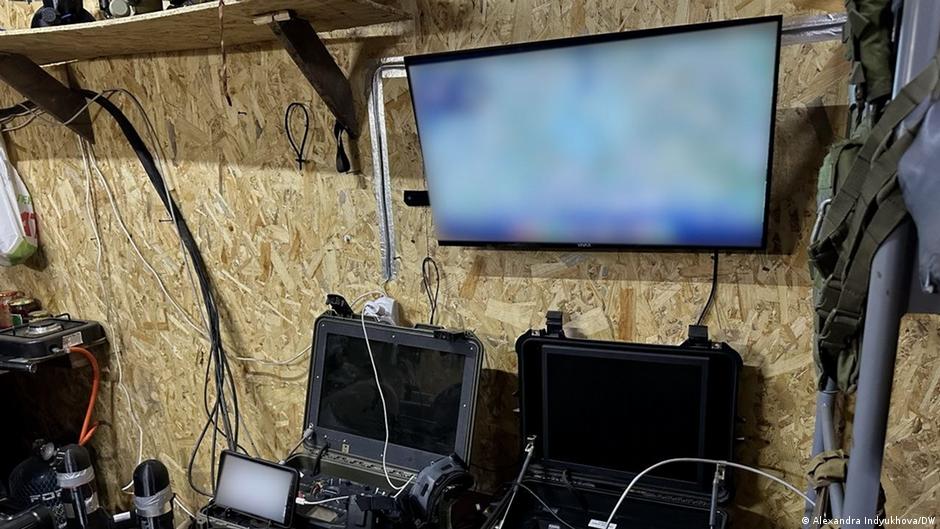
Ukraine’s announcement that it can soon supply NATO with long-range drones and missiles has significant implications for defense equities and sector rotation on Wall Street. The statement, made by Ukraine’s ambassador to NATO, Alena Hetmanchuk, signals a new phase in military collaboration that could reshape investor interest in defense technology companies and allied sectors.
Strategic Defense Developments and Market Impact
In an interview published on May 11, Hetmanchuk declared that Ukraine is prepared to fill NATO’s capability gaps related to deep strike operations using precision long-range drones and missiles. This offer could enhance NATO’s ability to conduct precise attacks deep into adversary territory, strengthening its deterrence posture.
“If NATO members like Germany express interest, Ukraine can provide its unique expertise and effective weaponry in long-range drones and missile technology,” Hetmanchuk said.
The timing is critical. Earlier in May, the United States withdrew from agreements to station Tomahawk cruise missiles in Germany, reducing NATO’s arsenal of strategic weapons in Europe capable of targeting high-value locations in Russia. This development has left NATO without a key countermeasure to Russian missile systems such as the SSC-8 (9M729) and Iskander missiles, both capable of carrying nuclear warheads.
Following these geopolitical shifts, German Defense Minister Boris Pistorius visited Kyiv to explore expanded cooperation, particularly focusing on jointly developing modern unmanned systems with a deep strike capability. This initiative aims to bolster the security of both Germany and Ukraine.
Financial markets have already shown signs of reacting to these developments. Defense sector ETFs and individual equities specializing in missile and drone technology have seen increased trading volumes as investors reassess growth prospects amid rising NATO-Ukraine collaboration. Companies with expertise in long-range precision strike systems stand to benefit from potential contracts and technology transfers.
Analyst Views and Sector Rotation
Equity research analysts emphasize that Ukraine’s unique experience in drone warfare and missile deployment could accelerate innovation within NATO’s defense ecosystem. This may prompt a sector rotation favoring aerospace and defense stocks over other cyclical sectors, particularly as governments increase defense spending to address emerging strategic needs.
Moreover, Germany is reportedly considering establishing a joint U.S.-German enterprise to manufacture Tomahawk cruise missiles domestically by 2028. This prospect adds another layer of investment appeal to defense manufacturing firms involved in missile production.
According to market experts, the combined effect of Ukraine’s contributions and Germany’s plans to revitalize missile capabilities could lead to sustained investor interest in defense equities, especially those focused on precision strike technologies and unmanned aerial vehicles (UAVs). Trading volumes are likely to remain elevated as new contracts and alliances develop.
Overall, these geopolitical and military developments are reshaping market dynamics in the defense sector, highlighting the evolving nature of security cooperation in Europe and its direct impact on Wall Street investment strategies.