Germany Considers Steinmeier for EU Role in Russia-Ukraine Peace Talks Amid Market Sensitivities
Berlin debates appointing President Steinmeier alongside Schröder in EU-led negotiations with Russia, signaling cautious geopolitical shifts affecting market sectors.
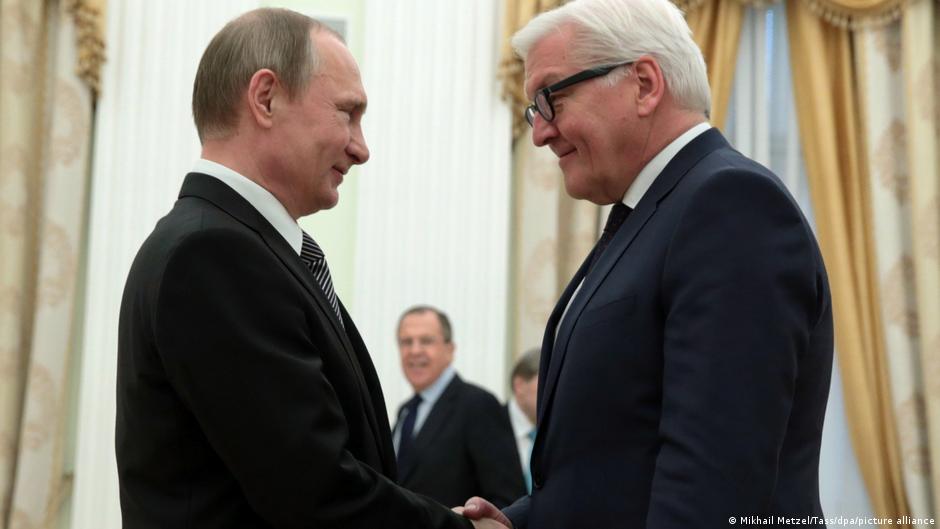
Germany’s ruling coalition is evaluating the appointment of President Frank-Walter Steinmeier as a representative of the European Union in potential peace negotiations with Russia over the ongoing conflict in Ukraine. The consideration of Steinmeier, possibly paired with former Chancellor Gerhard Schröder, reflects a strategic diplomatic approach amid complex geopolitical tensions.
Market Implications of Proposed EU Mediation Strategy
The prospect of Steinmeier’s involvement in peace talks has caught the attention of equity markets, particularly in sectors sensitive to geopolitical developments. Energy and defense stocks remain under close watch as investors assess the potential easing of tensions that could reshape supply chains and military spending.
Schröder’s longstanding ties with Russian leadership add nuance to the scenario. However, the German government reportedly doubts his solo capacity to represent the EU effectively, considering a dual mediation team a more balanced approach. This political uncertainty has contributed to cautious trading volumes in European equities, as market participants await clearer signals on conflict resolution prospects.
“This development underscores the delicate balance markets must navigate between geopolitical risks and the hope for diplomatic breakthroughs,” said an equity research analyst specializing in European affairs.
Russian President Vladimir Putin has expressed preference for Schröder as the EU’s negotiating figure, citing his long-standing relationship. Yet, German officials have rejected this proposal, skeptical of Moscow’s genuine commitment to compromise. The current stalemate in Russia-Ukraine dialogue, officially confirmed by Russian Foreign Minister Sergey Lavrov, continues to influence investor sentiment.
Should Russia extend the current three-day ceasefire, market confidence might receive a boost, potentially triggering sector rotation from defensive to more cyclical stocks. Investors are closely monitoring announcements related to ceasefire extensions or renewed talks as indicators for strategic portfolio adjustments.
Overall, the situation exemplifies how geopolitical developments can rapidly influence sector performance and trading dynamics on Wall Street and European markets alike. The unfolding diplomatic maneuvers and their reception will be critical to watch for market participants seeking to anticipate sector-level impacts.