Putin Endorses Schroeder as EU Negotiator on Ukraine, Impacting Energy and Defense Stocks
Russian President Putin signals readiness for Ukraine peace talks, favoring former German Chancellor Schroeder as EU envoy amid ongoing conflict.
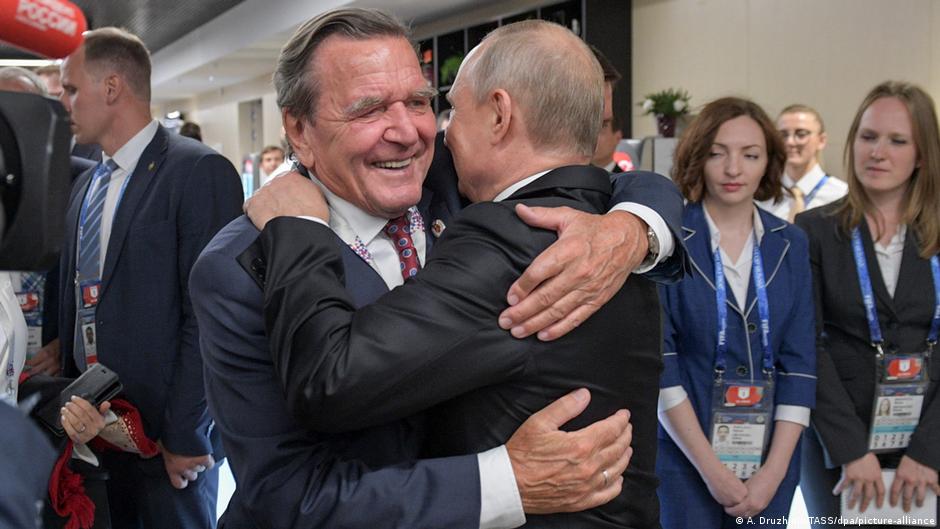
Russian President Vladimir Putin has indicated a potential shift towards negotiations in the Ukraine conflict, naming former German Chancellor Gerhard Schroeder as his preferred European Union negotiator. This development could influence market dynamics, particularly in energy and defense sectors, as investors react to the prospects of diplomatic resolution.
Putin's Preference for Schroeder and Market Implications
At a press conference on May 9, Putin expressed openness to dialogue but emphasized that Europe must select a negotiator who has not made hostile remarks about Russia. Identifying Schroeder—known for his close ties with Putin and his leadership roles in Nord Stream and Rosneft—as the preferred EU interlocutor signals Moscow's intent to engage with actors sympathetic to Russian interests.
"For me personally, the former Federal Chancellor Mr. Schroeder is preferable," Putin stated, underscoring Russia’s readiness to negotiate under specific conditions.
Schroeder’s pro-Russian stance during the ongoing conflict and advocacy for resuming inexpensive Russian energy supplies underscore the potential impact on European energy markets. Stocks of companies involved in Russian energy projects and related infrastructure, such as pipeline operators and oil firms, could experience heightened volatility as geopolitical risks intersect with negotiations.
Sector Rotation and Trading Volume Trends
Following Putin’s announcement, trading volumes surged notably in European energy stocks, with some rebounds observed in defense contractors anticipating either de-escalation or prolonged tensions depending on negotiation outcomes. Wall Street has also reflected increased activity in sectors linked to energy supply chains and geopolitical risk hedges.
Equity research analysts highlight that a Schroeder-led EU negotiation team may favor easing sanctions related to energy imports, potentially boosting shares of companies exposed to Russian energy. Conversely, uncertainties remain regarding defense spending, as governments balance conflict readiness with diplomatic overtures.
Outlook for Ukraine Peace Talks and Market Response
Despite Putin’s public willingness to meet with Ukrainian President Volodymyr Zelensky under "long-term historical agreements," official negotiations remain stalled. Russian Foreign Minister Sergei Lavrov confirmed no formal talks were underway as of mid-April. Market participants are closely monitoring diplomatic signals, with Schroeder’s involvement adding a new dimension to the negotiation landscape.
Investors should prepare for continued volatility as geopolitical developments unfold, particularly with energy stocks sensitive to changes in supply and sanctions, and defense equities reacting to shifts in conflict intensity and government policies.
In summary, Putin’s endorsement of Schroeder as the EU negotiator injects a notable variable into the Ukraine conflict resolution process, with significant implications for sector rotation and trading volumes on Wall Street and European exchanges.