Conflict in DR Congo Causes Human Tragedy with Potential Ripple Effects on Global Markets
Renewed violence in DR Congo's Ituri province raises concerns over mineral supply disruptions impacting mining stocks and sector rotation on Wall Street.
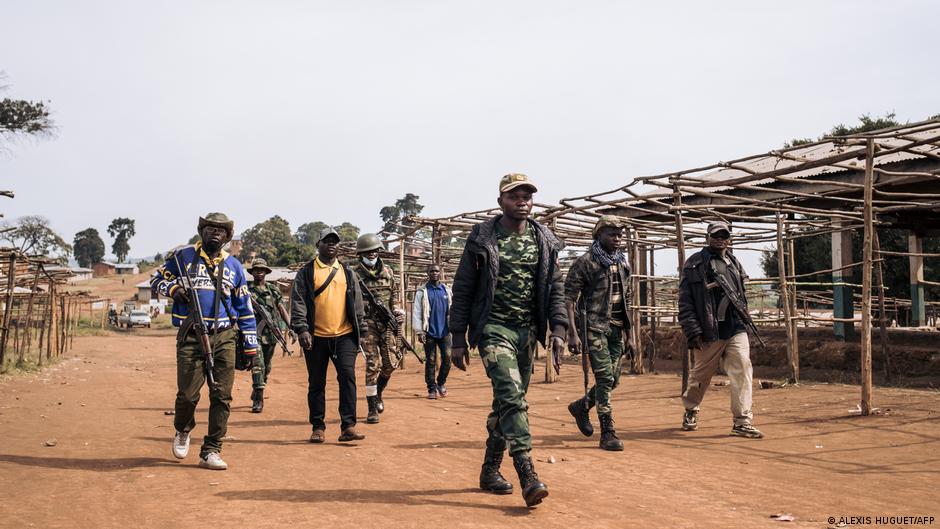
The Democratic Republic of Congo (DRC) has recently experienced significant violent unrest, with attacks by two rebel groups resulting in at least 69 deaths, including 19 militants. The incidents, occurring in late April in the mineral-rich Ituri province, underscore ongoing instability in a region critical to global mining and commodity markets.
Implications for Mining Sector and Market Sentiment
The attacks were carried out by the Convention for the Popular Revolution (CRP), linked to the Hema ethnic group, targeting Congolese army units. In retaliation, the Cooperative for the Development of Congo (CODECO), representing interests of the Lendu ethnic group, attacked several villages. Both groups are embedded in a protracted conflict tied to control over mining resources, especially gold, prevalent in Ituri.
Security sources indicate the prolonged presence of CODECO fighters complicates recovery efforts and heightens risks to regional stability. This instability threatens supply chains for key minerals, particularly gold and cobalt, essential to various industries including technology and electric vehicles.
"The ongoing conflict in Ituri not only affects local populations but also poses risks to global commodity markets dependent on Congolese minerals," analysts note.
Wall Street investors are closely monitoring the situation, as increased violence may lead to sector rotation away from vulnerable mining stocks. Trading volumes in metals and mining equities could see volatility given concerns about supply disruptions and political risk premiums. Equity research teams are re-evaluating risk assessments for companies with exposure to the DRC mining sector.
Further, the involvement of key figures such as Thomas Lubanga, a former militia leader turned politician with a controversial past, highlights the complex socio-political dynamics influencing the conflict’s trajectory. Lubanga’s formation of a new armed group in 2025 signals potential for escalation, which could exacerbate market uncertainties.
Broader Market Impact and Investor Outlook
The DRC has been a hotspot of armed conflict for over three decades, with over seven million internally displaced persons. The region's ongoing instability affects not just localized economies but also global supply chains. Investors may witness increased caution in commodity-linked sectors, prompting shifts in portfolio allocations toward less volatile industries.
Equity research suggests heightened due diligence is warranted for companies reliant on DRC resources, with calls for diversified sourcing strategies and risk mitigation. Meanwhile, trading desks on Wall Street are adjusting positions to hedge against geopolitical risks escalating in central Africa.
As the situation develops, market participants will need to balance potential supply constraints against broader economic signals, navigating the complex interplay between geopolitical tensions and financial market dynamics.