Poland Signs Controversial EU Defense Loan Agreement Amid Market Watch
Poland secures nearly €44 billion EU loan for military modernization, raising sector rotation and equity research interest in defense stocks.
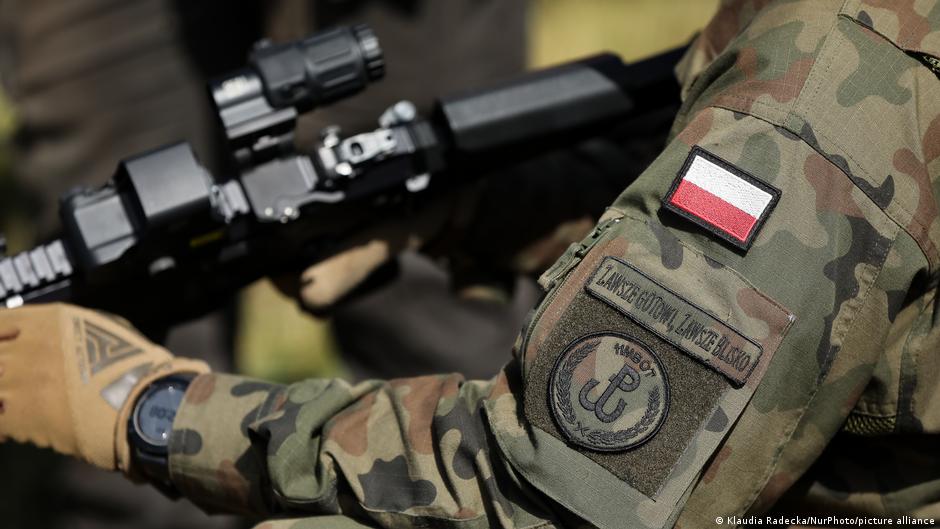
Poland has officially signed a landmark agreement with the European Union to receive a loan of approximately €43.7 billion dedicated to defense modernization, marking the first such deal under the EU's Security Action for Europe (SAFE) program. This historic agreement, however, follows significant domestic political opposition and is poised to influence multiple sectors on Wall Street.
Details of the Loan and Market Implications
The €43.7 billion loan constitutes nearly one third of the total €150 billion SAFE budget, designed to enhance defense capabilities across EU member states. The deal was finalized with signatures from Poland’s Defense Minister Vladislav Kosiniak-Kamysz, Finance Minister Andrzej Domański, representatives from Poland’s National Economy Bank, and EU Commissioners for Defense and Budget.
"No other participating country will invest such significant sums into their defense industry," stated Poland's Prime Minister Donald Tusk, emphasizing the scale and strategic importance of the loan.
According to Tusk, 89% of the borrowed funds will flow directly to Polish defense companies and their international partners, signaling a robust boost for the defense manufacturing sector. Moreover, a portion of the funding will be allocated toward cybersecurity enhancements, aligning with global trends of increased digital defense spending.
An initial tranche of €6.5 billion is expected imminently, with plans to sign 40 contracts under SAFE by the end of May. The funds will be disbursed biannually in October and April, contingent on Poland’s compliance reports submitted to the European Commission. Notably, Poland will have a grace period of ten years before principal repayments begin, easing immediate financial pressure.
Political Context and Equity Market Reaction
The signing follows President Karol Nawrocki's veto in mid-March against Poland’s participation in SAFE, citing concerns over a €41 billion loan burden with interest potentially totaling PLN 180 billion (~€41 billion) over 45 years. Despite this, the government clarified that the veto restricts loan usage exclusively to military structures, while the Prime Minister later assured broader application for border, fire, and police services funding.
The announcement has triggered notable sector rotation among investors, with increased trading volumes in Polish defense stocks and related industries observed on global markets. Equity research analysts are revising forecasts to reflect anticipated revenue growth and capital investments in defense manufacturers. Wall Street is closely monitoring these developments for potential ripple effects across European defense contractors and technology firms specializing in cybersecurity.
As defense spending surges in Poland, international investors are recalibrating portfolios to capture opportunities in the expanding European military-industrial complex. This shift comes at a time when geopolitical tensions and cybersecurity threats are driving demand for advanced defense solutions, making the SAFE program a critical catalyst for sector growth.
Market participants should anticipate sustained volatility in related equities as contract awards roll out and loan disbursements proceed, with broader implications for EU-wide defense collaboration and industrial capacity building.