US Troop Movements from Germany to Poland Signal Potential Sector Rotation in Defense Stocks
Trump confirms possibility of relocating US troops from Germany to Poland, impacting defense equities and geopolitical risk assessments.
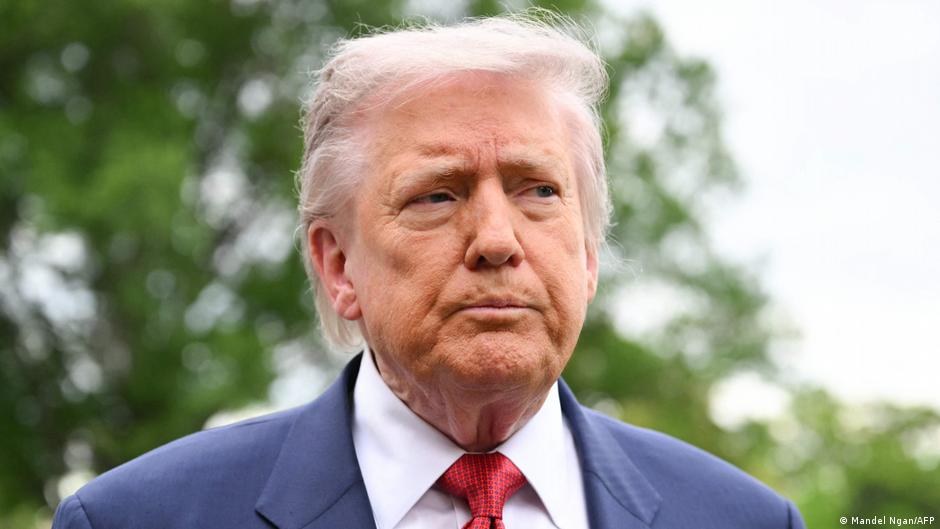
The announcement by former President Donald Trump about the possible relocation of US troops from Germany to Poland has captured the attention of Wall Street investors, highlighting a potential shift in defense sector dynamics and related equities.
Geopolitical Developments and Market Implications
On May 8, Donald Trump acknowledged the possibility of transferring a portion of the US military contingent currently stationed in Germany to Poland. Trump praised Poland's President Karol Nawrocki, emphasizing strong bilateral relations, and indicated that Poland would welcome such a move.
This announcement follows a directive from US Secretary of Defense Pete Hegseth to withdraw approximately 5,000 American troops from Germany within a year. The move comes amid strained relations between the US and Germany, particularly following criticism from Germany's Chancellor Friedrich Merz of US and Israeli actions against Iran. The US decision to withhold deployment of a Tomahawk cruise missile battalion in Germany further exemplifies these tensions.
As of December 2025, according to Pentagon data, around 68,000 US military personnel were stationed at European bases, with approximately 36,400 located in Germany. The US military maintains about 20 facilities in Germany, predominantly in the southern and southwestern regions.
Poland, represented by President Nawrocki, has expressed readiness to host some of the troops relocated from Germany, citing sufficient infrastructure to support the deployment. Lithuania has made similar offers; currently, Lithuania hosts over 1,000 US troops, while Poland houses approximately 10,000.
"We have the necessary infrastructure," said Poland's President Karol Nawrocki during a visit to Lithuania, signaling Warsaw's preparedness to support increased US military presence.
The anticipated troop movements and geopolitical recalibrations are likely to influence sector rotation on Wall Street, especially within defense contractors, infrastructure providers, and logistics firms. Companies specializing in military hardware, base construction, and support services could see increased investor interest.
Trading volumes for defense stocks may rise as equity research firms update outlooks to reflect new geopolitical risks and spending patterns. Analysts are closely monitoring how US military redeployments in Europe could affect defense budgets and procurement strategies, potentially benefiting firms with strong ties to NATO and US military contracts.
Investors should also consider broader market impacts, as increased defense spending in Eastern Europe may shift capital flows within the sector, prompting a rotation away from traditional Western European markets to firms focused on Eastern European operations and supply chains.
In summary, the evolving US troop deployment strategy in Europe, particularly the potential shift from Germany to Poland, is translating into tangible market signals, affecting stock performance, sector allocations, and trading volumes within the defense industry.