Ukraine Conflict Truce Spurs Military Rotation Amid Ongoing Hostilities Impacting Market Sentiment
Temporary ceasefire leads to troop rotations by Russia and Ukraine, influencing sector dynamics and trading volumes on Wall Street.
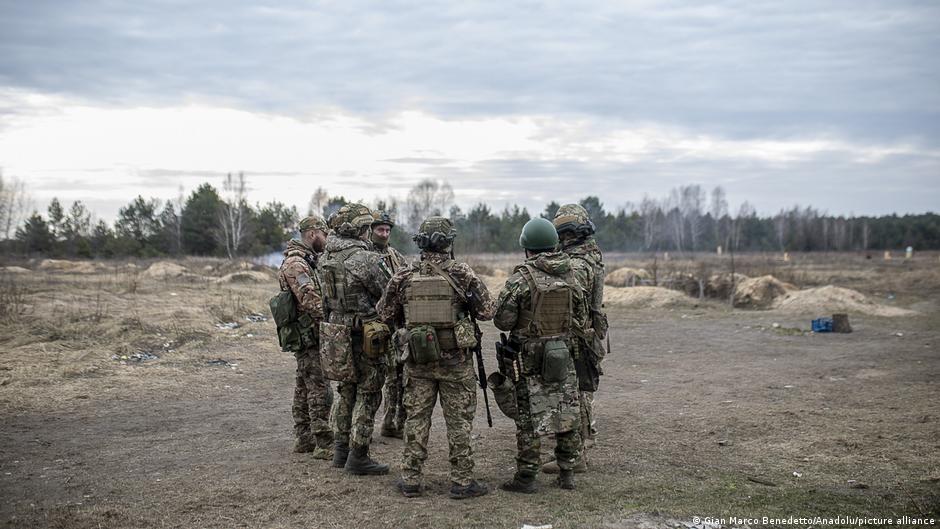
On May 9, a temporary ceasefire between Russia and Ukraine introduced a brief lull in direct hostilities. However, both sides are actively using this pause to rotate troops and prepare for potential renewed offensives. This military repositioning and persistent tensions are influencing investor sentiment and sector-specific dynamics on Wall Street.
Military Movements and Ceasefire Developments
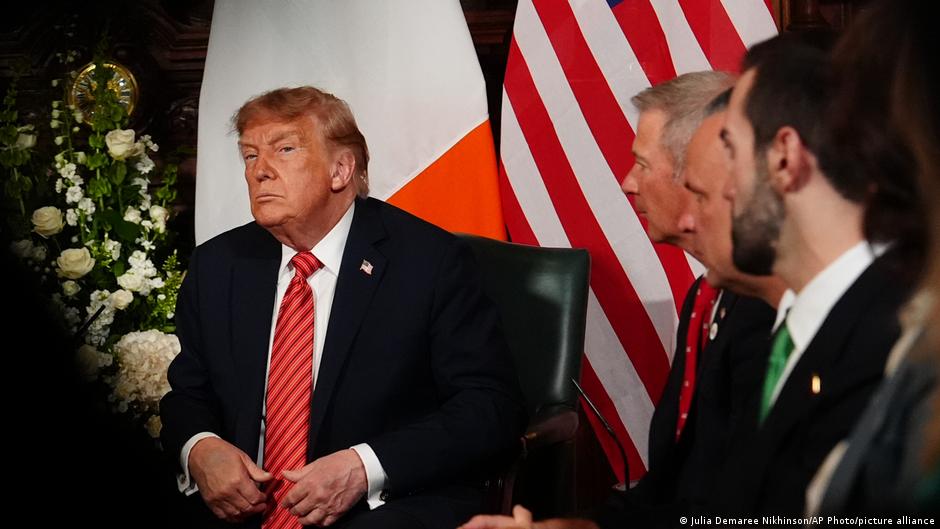
The United States announced a three-day truce starting May 9, promoted by President Donald Trump as a bid to halt hostilities and facilitate a prisoner exchange between the two nations. The agreement, intended to last through May 11, aimed for a "1000-for-1000" prisoner swap and a cessation of combat operations.
Despite the declared ceasefire, Russian forces have not completely halted their operations. According to the Ukrainian Armed Forces spokesperson Viktor Tregubov, Russia is using the ceasefire to strengthen its offensive capabilities by rotating troops and replenishing supplies. Meanwhile, Ukraine is also capitalizing on the pause to reorganize its logistics and troop deployments.
"They are indeed taking a pause today to rotate, resupply, and renew their offensive capabilities," remarked Tregubov.
Russian President Vladimir Putin cast doubt on the feasibility of the proposed prisoner exchange, citing reluctance from Ukrainian authorities after Moscow submitted a list of 500 Ukrainian soldiers for the swap. Kremlin officials indicated that compiling prisoner lists and negotiating exchanges remain ongoing, with hostilities expected to resume after the ceasefire period.
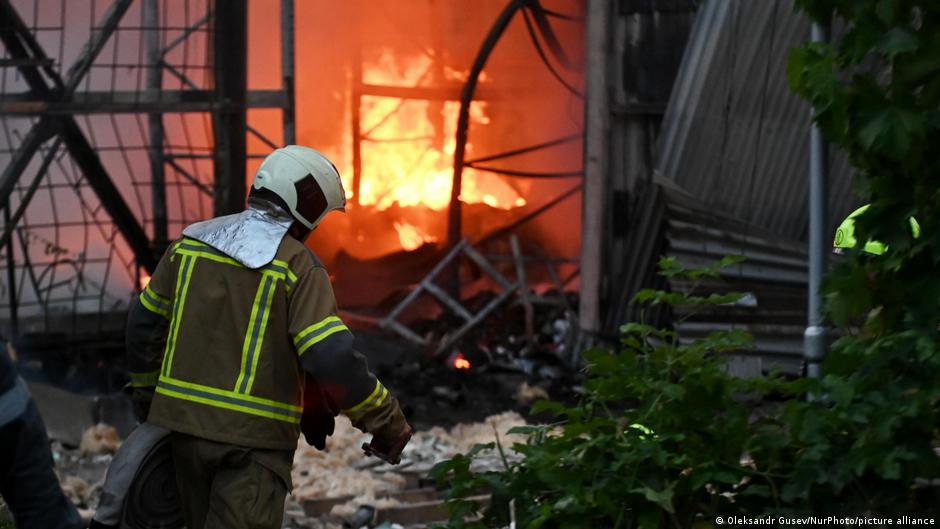
Throughout the ceasefire, sporadic attacks continued. The Russian Ministry of Defense accused Ukrainian forces of drone strikes and assaults on Russian positions in occupied territories. Conversely, the Ukrainian General Staff reported 121 Russian attacks between midnight and 10 p.m. on May 9, including shelling of border settlements in the Sumy region.
Market Impact and Sector Rotation
The temporary ceasefire and ongoing military rotations have triggered cautious behavior among investors, particularly within defense sectors and commodities tied to geopolitical risk. Trading volumes in defense contractor stocks have seen moderate increases, reflecting market attention to potential shifts in conflict dynamics.
Energy stocks, sensitive to Eastern European stability, experienced slight volatility as traders weighed the likelihood of renewed fighting and its impact on supply chains. Additionally, banking and infrastructure equities linked to Eastern Europe saw muted activity amid uncertainty over sustained conflict resolution.
Equity research analysts emphasize that while short-term market reactions are visible, the long-term outlook depends heavily on whether the ceasefire can evolve into a lasting peace or if escalations will prompt further sector rotation and risk-off sentiment.
Overall, the interplay between military developments and investor responses illustrates the complex relationship between geopolitical events and financial markets, underscoring the importance of closely monitoring conflict-related news for informed trading strategies.