Ukraine Seizes Initiative from Russia Amid Intensified Drone Strikes and Territorial Gains
Ukraine's expanding deep strikes into Russian territory mark a turning point, impacting market sentiment on defense and technology sectors.
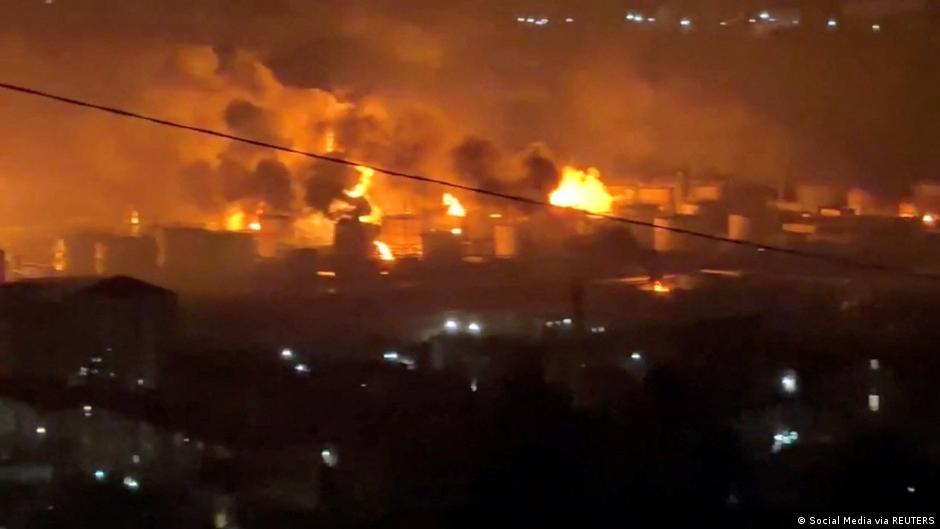
Recent analysis by The Economist highlights a significant shift in the ongoing conflict between Ukraine and Russia, as Ukraine appears to have seized the strategic initiative for the first time in three years. This development follows a harsh winter marked by relentless Russian drone and missile attacks on Ukrainian cities and infrastructure.
The Economist's May 10 report notes that Ukraine is now inflicting increasingly large-scale damage on Russia with every operation, signaling a marked change in momentum. Most notably, in April 2026, Russian forces lost more territory than they captured—the first such occurrence since August 2024. According to maps from the U.S. Institute for the Study of War (ISW), Russia lost control over 133 square kilometers in the past month.
Impact on Markets and Sector Rotation
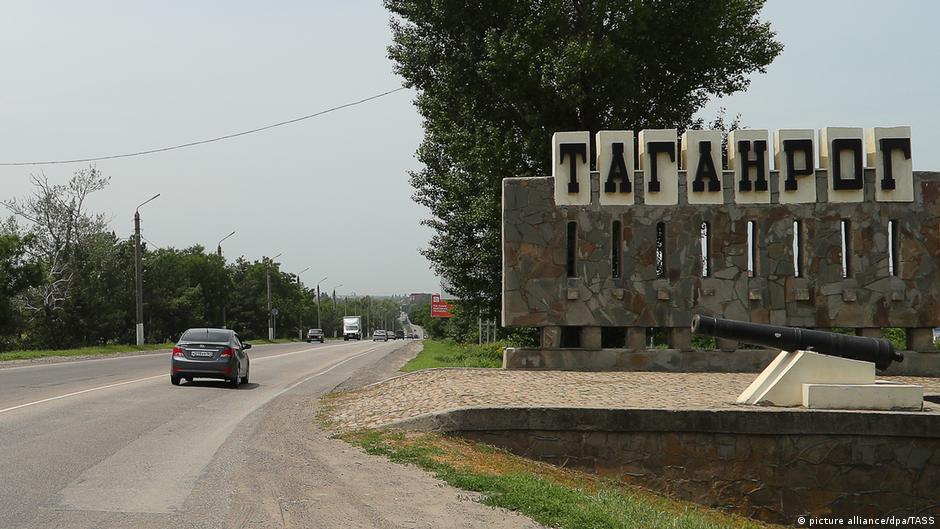
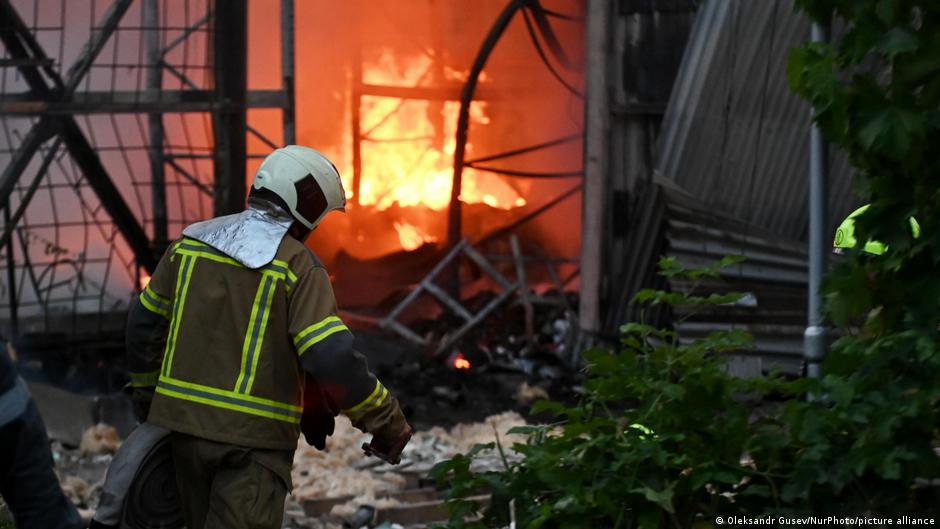
Ukraine's growing capabilities in long-range drone strikes have notable implications for global markets, especially within defense, aerospace, and technology sectors. In March, Ukraine exceeded Russia in the number of drone strikes launched, regularly targeting military and economic sites up to 2,000 kilometers from its border. As a result, an estimated 70% of Russia's population is now within reach of Ukrainian drones.
Investors are closely watching companies involved in drone technology, electronic warfare, and defense logistics, as demand for advanced unmanned aerial vehicles (UAVs) and counter-drone systems escalates. Trading volumes in equities related to these sectors have increased, reflecting heightened investor interest amid geopolitical risk.
"The coming months are decisive in determining whether Russia can counter Ukraine's UAV successes or mount a significant summer offensive," notes Lawrence Freedman, emeritus professor of war studies at King's College London.
This uncertainty is fostering sector rotation, with some funds moving capital toward defense contractors and technology innovators specializing in UAVs and surveillance systems, while reducing exposure to energy companies susceptible to conflict-driven supply chain disruptions.
Moreover, casualty estimates from The Economist suggest Russia has suffered approximately 1.4 million killed or severely wounded since the full-scale invasion, with current monthly losses around 35,000 personnel. These figures contribute to a perception of weakening Russian military capacity, reinforcing investor confidence in Ukrainian resilience.
Following a recent EU foreign ministers’ meeting in Brussels, EU High Representative Josep Borrell declared that Ukraine is currently in a considerably stronger position compared to one year ago, while Russian President Vladimir Putin is "weaker than ever." This political endorsement further underpins market optimism in defense-related equities.
Overall, the conflict’s evolving dynamics underscore the importance of monitoring geopolitical developments as they translate into shifts in equity valuations, trading volumes, and sector outlooks on Wall Street.