US Intelligence Reveals Iran Retains Majority of Military Capability Despite Strikes
New intelligence assessments indicate Iran has preserved around 70% of its missile arsenal, challenging official US claims of crippling damage.
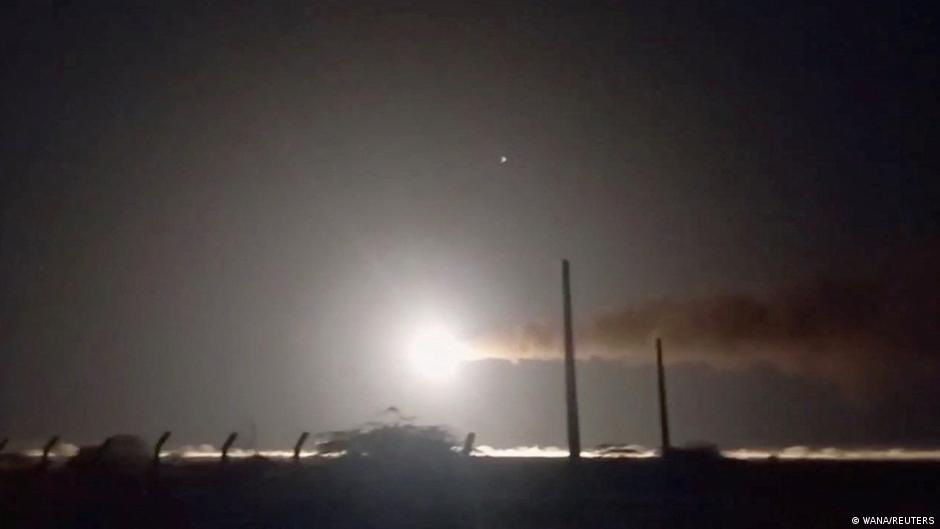
Recent intelligence reports have contradicted official statements from the US administration regarding the impact of military strikes on Iran's missile capabilities. Although US leadership has asserted that Iran's military potential has been severely degraded, detailed analyses suggest that the Islamic Republic has retained roughly 70% of its pre-conflict missile arsenal and mobile launchers.
Intelligence Findings and Their Strategic Implications
According to multiple intelligence sources, including satellite imagery, Iran currently maintains operational control over approximately 70% of its mobile missile launchers distributed across the country. Additionally, nearly 90% of underground missile storage facilities have been restored to partial or full readiness. This arsenal includes long-range ballistic missiles capable of striking regional targets, as well as a limited stockpile of cruise missiles effective against land and maritime assets at shorter ranges.
"New intelligence data indicate that previous assessments have underestimated Iran's resilience and ability to recover from US military actions," analysts noted.
Particularly concerning is the restoration of 30 out of 33 missile complexes positioned along the strategically critical Strait of Hormuz. These sites pose a tangible threat to US naval vessels and commercial oil tankers transiting this chokepoint, a vital artery for global energy supplies.
The findings echo earlier reports from other US media outlets, which estimated Iran's restoration of about 75% of its mobile launch platforms and a similar proportion of its missile inventory. These revelations challenge public claims by former President Donald Trump and former Secretary of Defense Mark Esper, who had maintained that Iran's military infrastructure was effectively dismantled.
On May 12, President Trump criticized media coverage of the conflict on his social media platform, labeling reports that contradicted the official narrative as "virtually treasonous" and supportive of enemy forces. This reflects ongoing tensions between political rhetoric and intelligence assessments.
Impact on US Military Stockpiles and Market Dynamics
The military engagement has significantly depleted US inventories of critical munitions, including Tomahawk cruise missiles, Patriot surface-to-air missiles, Precision Strike missiles, and ATACMS ballistic missiles. Analysts warn that any further orders for strikes aimed at further degrading Iranian capabilities would exacerbate these shortages. This situation presents logistical challenges for the Pentagon and major defense contractors, who are already struggling to meet high production demands.
European allies, who rely on US-supplied munitions to support Ukraine’s defense efforts, have expressed concern about potential disruptions in ammunition deliveries. The increased demand for replenishing US military stockpiles could impact ongoing supply commitments, injecting uncertainty into international defense procurement and geopolitical dynamics.
Despite these concerns, official US government representatives maintain a confident stance. White House spokesperson Olivia Welsh reiterated claims that Iran’s military capacity has been "crushed" and emphasized that any perception of Iran’s recovery is either mistaken or influenced by Iranian Revolutionary Guard Corps propaganda. Similarly, Pentagon spokesperson Sean Parnell affirmed that US forces retain sufficient capabilities to protect national interests and personnel.
For Wall Street, these developments underscore the potential for continued volatility in defense equities and related sectors. Companies involved in missile production, aerospace, and defense contracting may see increased demand for munitions manufacturing, while geopolitical tensions could drive sector rotation as investors reevaluate risk exposure. Trading volumes in defense stocks could experience heightened activity as market participants respond to intelligence updates and policy signals.
In sum, the evolving intelligence picture on Iran's missile capabilities presents a complex strategic environment. Market observers and equity research analysts will be closely monitoring defense supply chains, government procurement plans, and geopolitical risks as they navigate investment decisions in this dynamic context.