Uzbek-Afghan Business Forum Secures $300M Deals, Boosting Regional Trade and Investment
New trade agreements and sector collaborations signed at Andijon-Herot forum signal enhanced market access and cross-border cooperation.
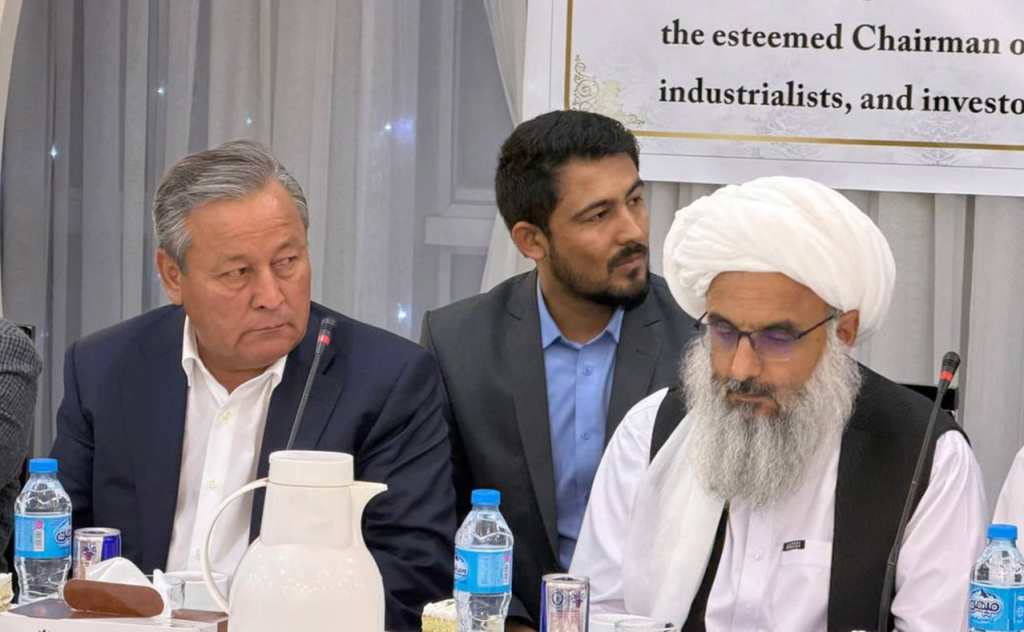
A delegation of over 110 Uzbek entrepreneurs recently traveled to Herot, Afghanistan, to participate in a business forum alongside local Afghan business leaders. The event coincided with the opening of the Andijon Trade House in Herot, establishing a key commercial hub in the region, according to the Andijon regional government.
Key Business Agreements and Sector Opportunities
During the forum, participants discussed critical topics including visa facilitation, streamlined bilateral payment systems, simplified pharmaceutical exchanges, and expanded logistics for agricultural and cement products. These discussions culminated in the signing of multiple contracts totaling approximately $300 million, aimed at strengthening bilateral trade and investment relations.
Herot regional governor Nur Ahmad Islomjar emphasized that "such collaborative initiatives open wide opportunities for entrepreneurs," highlighting the strategic importance of the new trade house as a platform for showcasing over 200 product varieties across 10 sectors.
The Andijon Trade House is expected not only to display a diverse range of goods but also to serve as an effective venue for forging new partnerships and launching investment projects, boosting commercial activity between Uzbekistan and Afghanistan.
Market and Sector Implications for Investors and Traders
From a market perspective, this enhancement of Uzbek-Afghan trade infrastructure signals potential sector rotations favoring logistics, agriculture, pharmaceuticals, and construction materials—industries poised for expansion due to improved cross-border cooperation. Increased trading volumes in these sectors could impact equity valuations of regional companies involved in supply chains and exports.
Equity analysts watching Central Asian markets should note the potential uplift in demand and investment flows reflected by these agreements, which can translate into growth opportunities for firms exposed to the agricultural inputs, pharmaceutical distribution, and cement production sectors.
Moreover, the Uzbek delegation's engagement with Afghan counterparts aligns with broader diplomatic and trade normalization efforts in the region, including the April 2026 pharmaceutical sector negotiations in Kabul and the inaugural "Afghanistan-Central Asia Consultation Dialogue." These initiatives enhance investor confidence and market liquidity within these emerging markets.
Trading desks focused on frontier markets may observe increased activity and volume shifts as the business environment stabilizes and access improves. Investors should consider the longer-term growth trajectories of companies facilitating logistics and trade between Uzbekistan and Afghanistan.
Overall, the forum and associated agreements underscore a tangible step toward economic integration and sectoral diversification in Central Asia, offering new avenues for portfolio allocation and regional equity research insights.
Based on reporting by Deutsche Welle.