German Military Museum Restricts Access for Uzbek Citizens, Impacting Visitor Demographics
Security measures at Koblenz Bundeswehr Military Museum limit entry for Uzbek and Central Asian nationals starting March 2025.
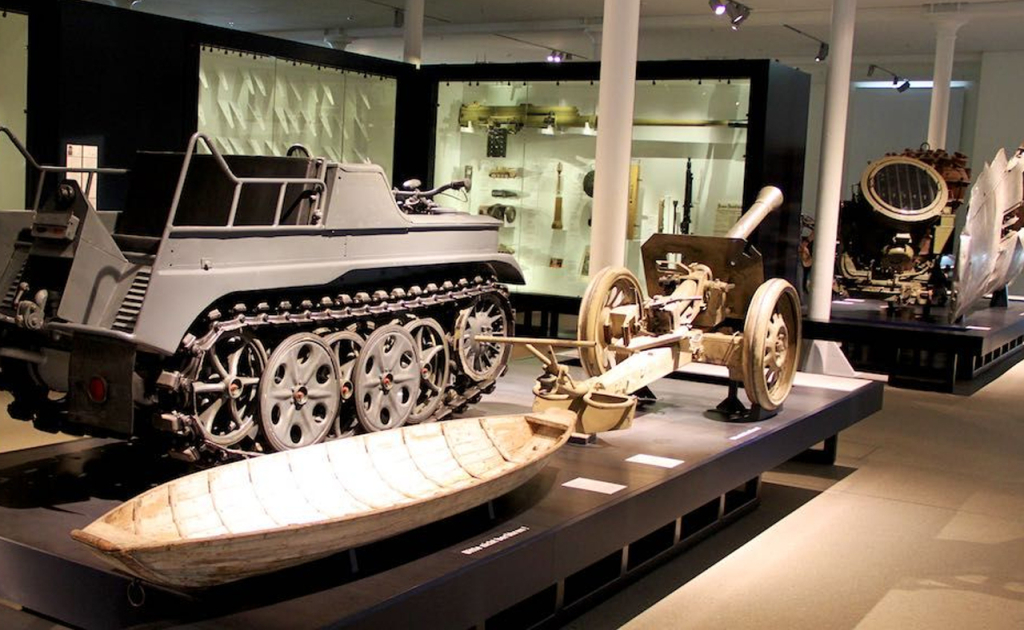
The Bundeswehr Military Museum in Koblenz, Germany, has implemented new security protocols that restrict entry for citizens of Uzbekistan and several other Central Asian countries. The changes, effective from March 2025, align with Germany's "Reliability Check" security legislation aimed at safeguarding sensitive exhibits.
Market Implications for Tourism and Cultural Sectors
The museum, known for its extensive collection of military vehicles and equipment ranging from World War I FT-17 tanks to modern Leopard 2 battle tanks, attracts a diverse international audience. Restrictions on Uzbek visitors, alongside nationals from Kazakhstan, Kyrgyzstan, Turkmenistan, Tajikistan, and other countries including Afghanistan, China, Iran, Pakistan, and Syria, are expected to affect visitor numbers and trading volumes in cultural tourism sectors.
While the museum charges a modest entrance fee of 3 euros, the exclusion of several nationalities may influence regional tourism demand, potentially impacting related hospitality and retail sectors on Wall Street. Equity research analysts anticipate a sector rotation away from companies heavily reliant on tourism linked to international visitors from Central Asia and adjacent regions.
"The security-based visitor restrictions at the Koblenz Bundeswehr Military Museum represent a notable shift in access policy, which may reverberate through associated cultural and tourism market segments," a cultural sector analyst observed.
From an equity perspective, firms operating in travel, hospitality, and retail segments near cultural institutions like the Bundeswehr Museum may see fluctuations in trading volumes as visitor demographics shift. Investors are advised to monitor regional tourism data and museum attendance figures to gauge the broader impact of these restrictions.
Moreover, the Bundeswehr Military Museum's status as one of the world's largest military technology collections, featuring NATO prototypes and diverse armored systems, underscores its strategic importance in Germany's cultural sector. The enforcement of security checks highlights increasing geopolitical sensitivities influencing public access policies.
Overall, the restriction on Uzbek and other Central Asian nationals potentially signals a broader tightening of access to sensitive cultural and historical exhibits, aligning with global trends toward heightened security measures. Market participants should consider these developments within the context of sector rotations and potential shifts in consumer behavior related to international tourism.
Based on reporting by Deutsche Welle.