BBC Announces 10% Job Cuts as Media Industry Shifts Toward Digital Amid Financial Strains
BBC plans workforce reduction of up to 2,000 jobs to invest in digital platforms amid declining traditional revenue streams.
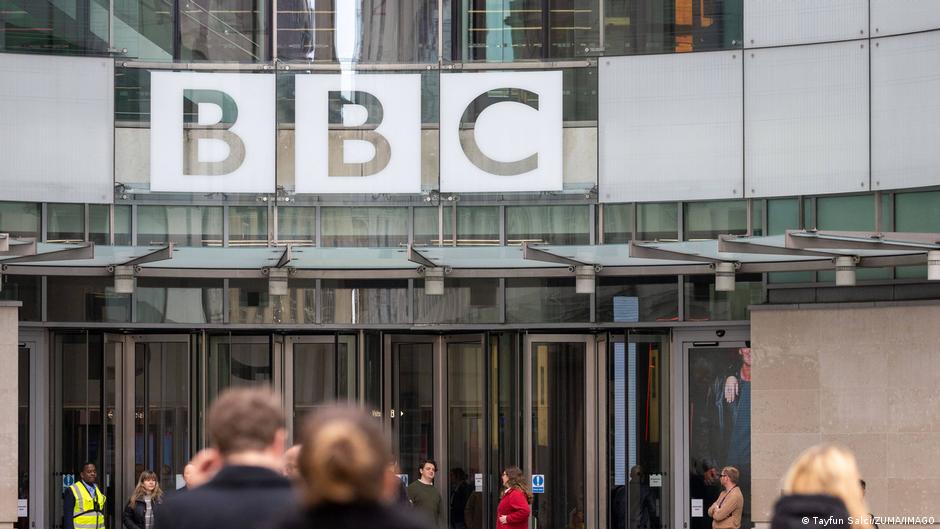
BBC’s Workforce Reduction Signals Media Sector Shift Impacting Market Dynamics
The British Broadcasting Corporation (BBC) is poised to reduce its workforce by approximately 10% over the next two years, cutting between 1,800 and 2,000 jobs as part of a major strategic overhaul. This move underscores the ongoing transformation within the traditional media sector amid intensifying financial pressures and a pivot toward digital platforms.
BBC Director-General Rhodri Talfan Davies acknowledged the broadcaster faces "substantial financial pressure," necessitating operational cost reductions of around £500 million, predominantly realized in fiscal years 2027-2028. This announcement reflects the erosion of the BBC's historic revenue foundation, especially the 24% decline in income from the UK television license fee since 2017, a critical funding source.
“The BBC must adapt to a rapidly changing media environment marked by technological innovation and shifting consumer habits.” — Rhodri Talfan Davies, BBC Director-General
This downsizing and redirection towards digital growth highlight broader structural shifts influencing investor sentiment and sector rotation within media and entertainment stocks. The BBC’s emphasis on expanding its streaming service, iPlayer, and developing online news platforms signals a strategic move to capture digital-first audiences, challenging legacy broadcast models.
Implications for Media Stocks and Market Trends
The BBC’s restructuring holds implications for publicly traded media companies, especially those with significant exposure to traditional content distribution versus digital streaming. As legacy broadcasters face similar revenue headwinds and rising operational costs, market participants may see increased volatility in stocks tied to conventional advertising and subscription models.
Sector rotation toward technology-driven media firms that excel in streaming and digital advertising could accelerate, driven by evolving consumer behavior and AI-driven content personalization. Trading volumes in this segment may rise as investors recalibrate portfolios, favoring companies with scalable digital platforms over traditional broadcasters.
Equity analysts will be closely monitoring how the BBC’s financial pressures and digital pivot influence competitor positioning and industry benchmarks. The corporation’s cost-cutting measures and investment in innovation could serve as a bellwether for other public broadcasters and legacy media enterprises undergoing similar transitions.
Overall, the BBC’s plan to reduce its workforce and reprioritize spending reflects the complex intersection of technological change, shifting audience consumption, and fiscal constraints shaping the media landscape. This trend is likely to continue influencing investor strategy and the valuation of media stocks on global exchanges.