New EU Biometric System Causes Major Delays, Disrupting Airlines and Airports Across Europe
The rollout of the EU Entry/Exit System (EES) has led to hours-long queues, sparking concerns of travel disruptions and market impacts for airline stocks.
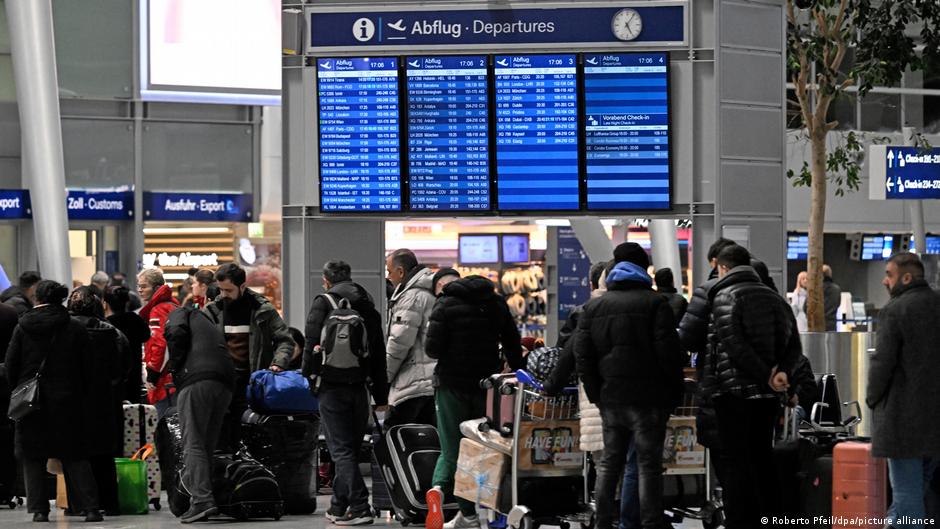
Since April 10, the European Union's new biometric border control system, known as the Entry/Exit System (EES), has triggered extensive delays at airports across six major EU countries, causing significant disruptions to airline operations and raising concerns among investors and equity analysts about the potential market impact on the travel and aviation sectors.
Operational Challenges and Industry Reactions
The Airports Council International (ACI) Europe has issued a warning about long queues stretching for hours at airports in France, Germany, Belgium, Italy, Spain, and Greece. Olivier Jankovec, head of ACI Europe, highlighted that during peak hours, passengers are already facing wait times of up to three hours. This has raised alarms as the peak summer travel season approaches.
"Passengers during busy periods are experiencing delays up to three hours, threatening a near-collapse at airports if the situation persists," said Olivier Jankovec, European head of ACI.
Michael O’Leary, CEO of Ryanair, one of Europe's largest low-cost carriers, lambasted the EES rollout, calling the system a "complete disgrace and a mess," and likened it to "punishment for Brexit." He urged the European Commission to postpone the full implementation of the EES until October, citing instances of passenger wait times reaching up to four hours in some airports.
One stark example of the operational impact occurred at Milan’s Linate Airport, where only 34 of 156 EasyJet passengers bound for Manchester boarded on time. The remaining 122 passengers missed their flight due to delayed border processing. EasyJet offered free ticket rescheduling but declined to assume responsibility for the disruptions.
Market Implications and Sector Analysis
The implementation of the EES has triggered heightened volatility in airline stocks as investors weigh the risk of sustained operational hiccups affecting passenger throughput and revenue. Airlines with significant European routes, such as Ryanair, EasyJet, and Lufthansa, could experience increased costs from delays, potential compensation claims, and reputational damage.
Equity research teams are closely monitoring the sector for signs of increased cancellations, lower booking rates, and changes in traveler confidence. The broader travel and tourism sector may also face rotational pressure as investors reassess short-term earnings forecasts amid operational uncertainties.
Trading volumes on European airline stocks have surged in the wake of these developments, reflecting growing investor concern. Analysts advise watching regulatory responses closely, as calls from industry groups to allow border agencies to temporarily suspend the EES during peak delays could mitigate risks if enacted swiftly.
Meanwhile, the European Commission maintains that the system is functioning within expected parameters, reporting an average processing time of 70 seconds per traveler. However, ACI disputes this figure, estimating the real processing time to be roughly five times longer, indicating significant underestimation of bottlenecks.
Introduced gradually since October 2025 in countries such as the Czech Republic, Estonia, and Luxembourg, the EES replaces manual passport stamping with biometric registration, including photo and fingerprint capture for non-EU nationals entering the Schengen zone. As of April 10, all 29 Schengen countries have implemented the system, excluding EU citizens, residents, and diplomats from the biometric checks.
Given the timing ahead of the summer travel peak, the sector faces critical challenges. Investors and companies alike will be monitoring regulatory adjustments and operational improvements closely to gauge the trajectory of Europe's aviation market recovery.