US Threatens Strait of Hormuz Transit Fee Amid Iran Deal Uncertainty, Impacting Energy Stocks
President Trump warns of charging fees for Strait of Hormuz passage if Iran deal fails, affecting oil trade volumes and market sector dynamics.
The United States has signaled a potential imposition of fees for vessels passing through the Strait of Hormuz should a negotiated agreement with Iran fall through, a move that could significantly affect global oil shipments and Wall Street energy stocks.
Potential Fee Imposition and Market Implications
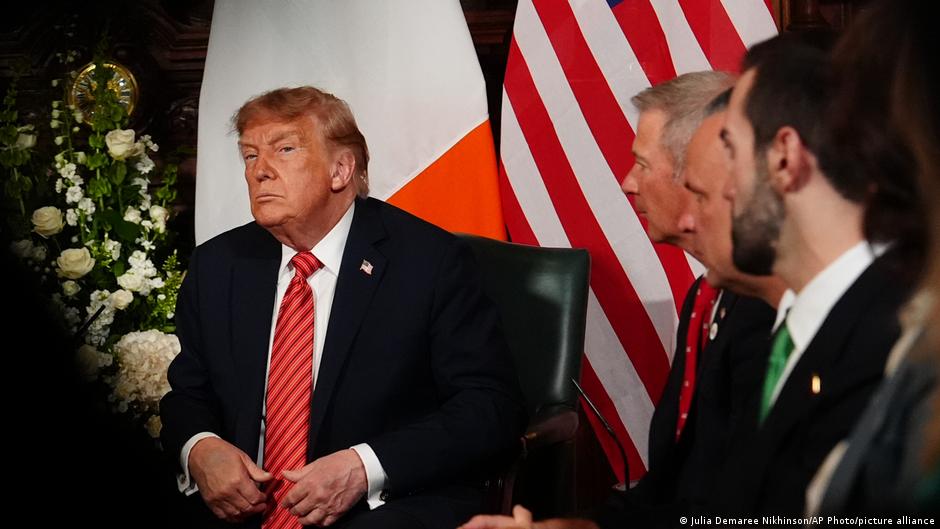
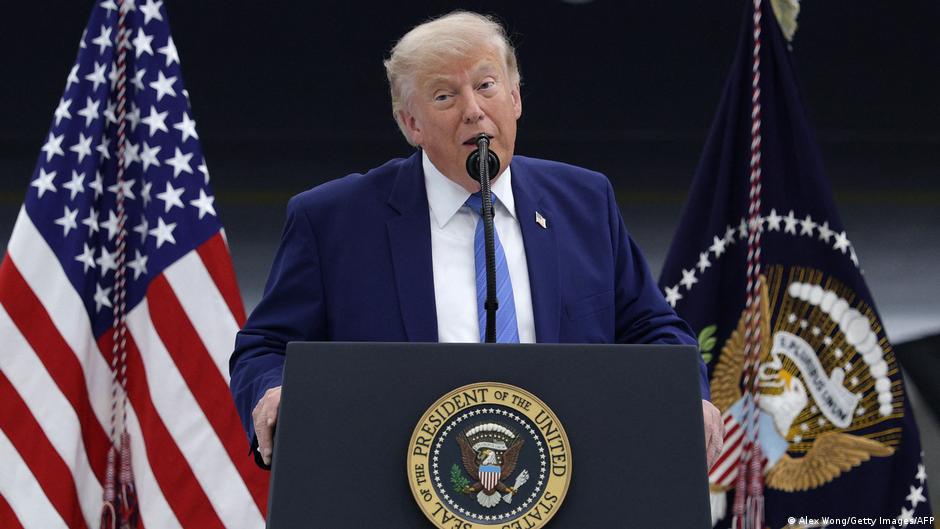
On June 20, President Donald Trump announced via his social media platform that the US may start charging countries for passage through the strategic Strait of Hormuz, contingent on the failure of ongoing talks with Iran. The proposed fee would serve as compensation for the security services provided by the US, which Trump described as the "guardian angel" of Middle Eastern nations.
However, the President clarified that during the current 60-day ceasefire period with Iran, no such fees would be applied. Should the truce hold without violations, the fee structure would remain suspended. This conditional approach introduces uncertainty for shipping companies and investors, especially in energy sectors heavily reliant on uninterrupted crude transport through the strait.
"If the deal with Iran fails, the US will charge for passage through the Strait of Hormuz as compensation for its protective services," stated President Trump.
Recent Developments Affecting Strait Traffic and Market Sentiment
Following an earlier presidential directive, the US Central Command announced on June 18 the lifting of a blockade in the Strait of Hormuz, facilitating smoother transit. Vice President James David Vance reported record-breaking oil shipments via the strait, reaching 12.5 million barrels within 24 hours—a high since the conflict escalation between the US, Israel, and Iran began in late February.
Iran's restraint was noted, with no attacks on vessels for two consecutive nights, contributing to a temporary boost in trading volumes and easing crude oil supply concerns. Yet, on June 20, Iran declared a new shipping ban in response to Israeli military strikes in southern Lebanon. Tehran views this as a breach of the ceasefire agreement signed on June 17, which mandated cessation of hostilities across all fronts.
The Iranian military command vowed further measures should the aggression persist, injecting fresh volatility into the geopolitical landscape and commodity markets.
Wall Street Sector Rotation and Trading Volume Impact
The evolving situation is prompting sector rotations on Wall Street, with energy stocks experiencing heightened volatility. Oil-related equities have seen surges tied to risks around supply disruptions, while other sectors are recalibrating exposure to geopolitical uncertainties.
Trading volumes in energy ETFs and futures contracts have surged as investors adjust positions in anticipation of possible fee implementations and renewed tensions. Equity research analysts are closely monitoring these developments, revising forecasts to account for potential shifts in crude supply chains and regional stability.
Overall, the interplay between diplomatic negotiations, military actions, and economic measures like transit fees is intensifying market sensitivity to Middle Eastern geopolitical risks, with direct implications for energy prices and related stock performance.