US Supreme Court Allows Trump to Proceed with White House Ballroom Construction
The Supreme Court temporarily blocks lower court rulings, enabling Trump to continue White House renovations including a ballroom and military bunker.
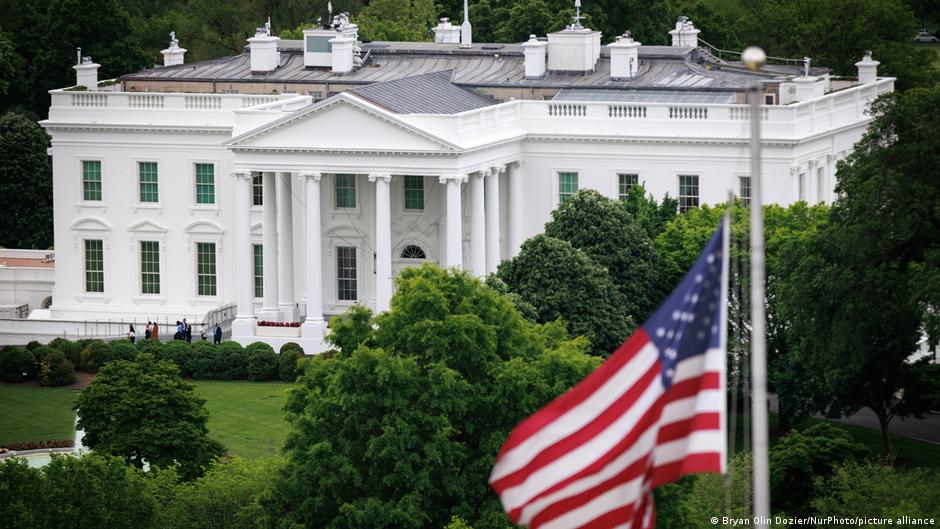
The US Supreme Court has granted President Donald Trump permission to continue his extensive renovation plans for the White House, including the construction of a ballroom and a military bunker. This decision halts previous court orders that sought to stop the project.
On August 21, Chief Justice John Roberts issued a temporary stay on rulings by lower courts that had prohibited the continuation of the reconstruction efforts. The Federal Appeals Court in Washington had earlier argued that the current administration lacks "unlimited authority" to extensively remodel and redesign the White House to suit the personal preferences of the sitting president.
Market and Sector Implications
The Supreme Court’s decision to allow the continuation of construction projects at the White House has sparked notable interest among investors in several sectors. Construction firms and suppliers involved in large-scale government projects may see increased contract opportunities, potentially driving up trading volumes in related stocks.
Defense contractors and companies specializing in secure facility infrastructure could also benefit from the planned military bunker, highlighting a sector rotation towards security and defense equities. Moreover, firms focused on historical preservation and renovation might experience market attention given the controversial demolition of the historic East Wing to make way for the new ballroom.
"This ruling underscores the administration's commitment to transformative infrastructure projects, which could influence market dynamics in construction and defense sectors," said an equity research analyst.
Investor sentiment towards firms with government ties is expected to shift as the administration pushes forward with these high-profile projects. Equity research firms are closely monitoring order backlogs and contract awards linked to these renovations, which could become a significant revenue driver for involved companies.
Additionally, the White House plans extend beyond the ballroom and bunker. President Trump announced intentions to reconstruct the Reflecting Pool area, erecting a 76-meter triumphal arch that would dwarf famous landmarks like the Brandenburg Gate in Berlin. Such ambitious federal construction initiatives may stimulate market activity in infrastructure, materials, and engineering sectors.
These developments come as part of Trump's broader vision to reshape Washington, D.C., by his potential second term ending in January 2029. The judicial clearance to proceed provides a legal framework supporting the administration’s infrastructure agenda, with potential long-term impacts on related equity markets.