US Strikes on Iran Escalate Geopolitical Risks, Impacting Energy and Defense Stocks on Wall Street
Continued US military actions in Iran raise concerns over energy infrastructure and regional stability, influencing market trading volumes and sector rotation.
The recent escalation of US military strikes on Iranian targets has intensified geopolitical tensions with direct implications for Wall Street investors, particularly in energy, defense, and infrastructure sectors.
Market Impact of US-Iran Conflict
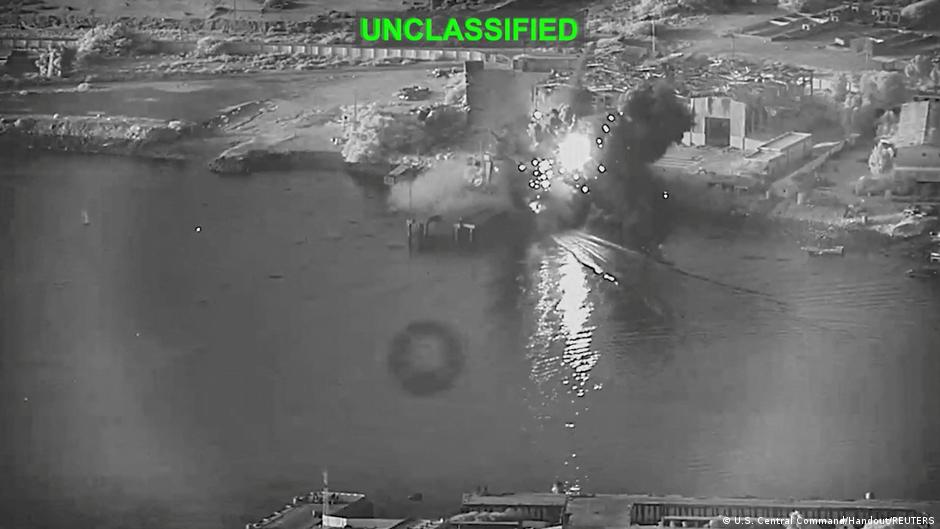
On July 16th, the US launched a new series of airstrikes against Iranian infrastructure including bridges, airports, and energy facilities. These actions, reportedly aimed at further weakening Iran's military capabilities, have led to casualties and significant damage, according to Iranian sources.
Wall Street responded to this escalation with increased volatility in energy and defense stocks. Shares of major energy companies showed notable gains amid concerns over potential disruptions in oil supply from the Persian Gulf region, a critical artery for global energy markets. Simultaneously, defense contractors experienced an uptick in trading volumes as investors reassessed sector risks and opportunities.
"The continuation of US strikes on Iranian targets is prompting a sector rotation on Wall Street, as investors hedge geopolitical risks by favoring defense and energy equities," commented a senior equity strategist.
The strikes targeted key civilian infrastructure such as three bridges in the Hormozgan province, a residential area in Bandar Abbas port city, and an electrical substation on Kish Island. Additionally, explosions were reported near airports in Bandar Abbas and Iranshahr, and in Bushehr — home to Iran's only civilian nuclear power plant. These developments have heightened concerns about regional energy security, fueling oil price volatility.
In response, Iran's Revolutionary Guards launched counter-attacks on US military assets in the region, including drone strikes on helicopters and reconnaissance aircraft stationed at the Bahrain-based Al-Sakhir airbase. Neighboring countries like Kuwait and Bahrain reported activating air defense systems and civil alert sirens in anticipation of further hostilities.
Despite a framework agreement signed on June 17 aimed at ceasing hostilities and lifting the blockade of the Strait of Hormuz, tensions escalated after an Iranian drone attack on a commercial tanker on June 25. The US retaliated with strikes, and President Donald Trump declared the agreement void while asserting US control over the strategically vital strait.
Market analysts emphasize that ongoing military operations increase uncertainty, spurring risk-averse moves by institutional investors and a shift towards sectors perceived as defensive or energy-critical.
Trading Volumes and Sector Rotation
Trading volumes in defense-related equities surged as investors anticipated potential increases in US military spending and defense contracts. Energy stocks, especially those of pipeline operators and oil producers with exposure to Middle Eastern supply routes, experienced heightened activity and price swings.
Conversely, sectors sensitive to geopolitical risk, such as airlines and tourism, showed declines reflecting investor caution. Equity research notes that while short-term volatility is expected to persist, longer-term impacts depend on diplomatic developments and the possibility of further escalation.
Investors are advised to monitor geopolitical developments closely as they could materially affect commodity prices and sector valuations in upcoming trading sessions.