US Sends First Humanitarian Aid Flight to Cuba Amid Sanctions and Military Tensions
Washington initiates $100 million aid package to Cuba while maintaining pressure through sanctions and military considerations.
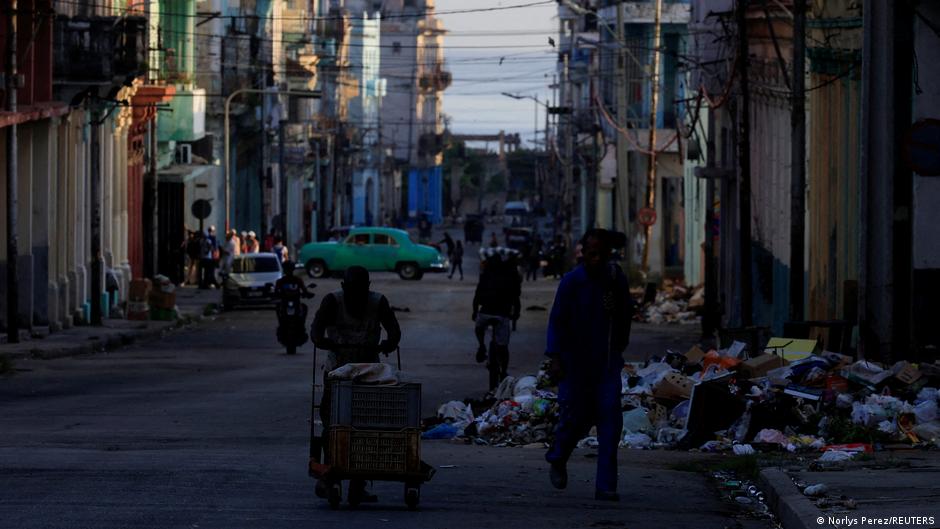
The United States has dispatched the first plane carrying humanitarian aid to Cuba, marking the launch of a new $100 million assistance package amid intensifying political and military tensions.
On July 21, the U.S. State Department confirmed that the aid includes food supplies and hygiene kits intended to support approximately 700 Cuban families. The resources will be distributed directly through the Catholic Relief Services, a humanitarian organization with prior experience delivering aid to Cuba.
This move comes despite recent U.S. sanctions targeting Cuban state enterprises and ongoing discussions within the Pentagon about potential military actions on the island.
Strategic Context and Market Implications
Earlier this year, Secretary of State Marco Rubio announced the aid package as part of an effort to alleviate hardships facing Cubans while maintaining pressure on the Cuban government through financial sanctions and an embargo on oil shipments. The Cuban government initially rejected the offer, attributing its economic difficulties to U.S.-induced electricity outages and artificial shortages. However, after negotiations with U.S. officials, Havana appears to have accepted the humanitarian assistance.
Meanwhile, U.S. defense officials have reportedly considered deploying thousands of troops from the 101st Airborne Division to Cuba, though no definitive military action has been authorized. Sources close to these deliberations indicate that the Pentagon remains cautious due to resource commitments elsewhere, notably the renewed conflict involving the U.S., Israel, and Iran.
"The U.S. administration prefers to exert influence on Cuba through economic and diplomatic channels rather than immediate military intervention," analysts note.
Sanctions have recently expanded to include five Cuban companies, three of which are tied to the Grupo de Administración Empresarial S.A. (GAESA), a conglomerate controlled by Cuba's Revolutionary Armed Forces. GAESA is estimated to manage up to 40% of Cuba's GDP and held liquid assets valued at approximately $14.5 billion as of 2024.
Further restrictions targeted the wife of Alejandro Castro, head of Cuba’s National Security Council and son of former leader Raúl Castro. Cuban Foreign Minister Bruno Rodríguez condemned the sanctions as part of "relentless aggression and collective punishment," while Rubio, a son of Cuban exiles, labeled by Cuban officials as "dishonest and deceitful," continues to drive U.S. policy.
From a Wall Street perspective, the unfolding situation may prompt sector rotation and shifts in trading volumes, particularly impacting defense contractors and energy companies exposed to sanctions and geopolitical risks. Equity research teams will monitor the evolving sanctions regime and potential escalation carefully, as markets adjust to the increased uncertainty surrounding Caribbean geopolitics and U.S. foreign policy.
Overall, despite military considerations, the current U.S. approach emphasizes leveraging economic pressure and humanitarian aid to influence Cuba’s internal dynamics, a strategy that carries complex implications for investors watching geopolitical risk factors.