US Senate Vote to End Hostilities with Iran Influences Wall Street Sector Rotation and Trading
Senate resolution urging troop withdrawal from Iran zone impacts market sentiment, driving shifts in defense and energy stocks amid geopolitical easing.
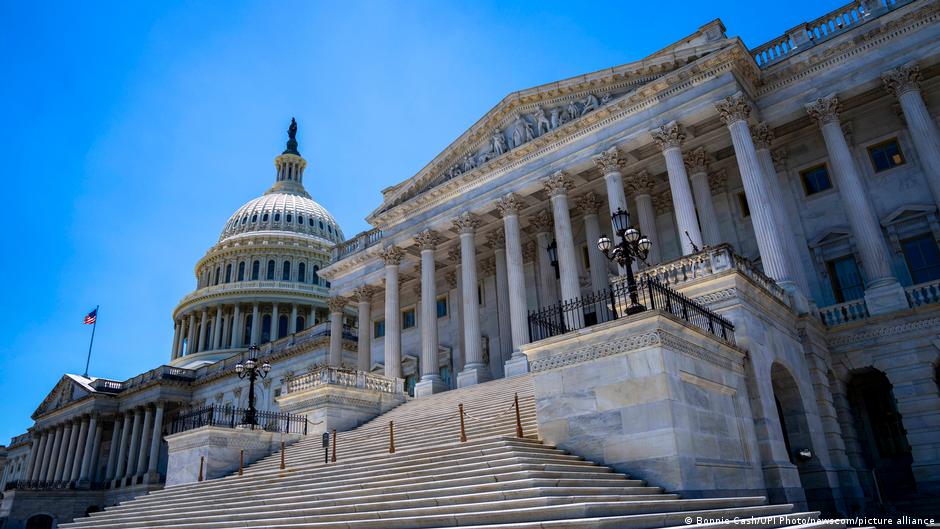
The US Senate narrowly approved a resolution calling for the withdrawal of American troops from conflict zones involving Iran, a development that has begun to influence Wall Street dynamics. The resolution, passed by a 50-48 vote, signifies growing bipartisan concerns over ongoing hostilities and signals a potential shift in US foreign policy toward de-escalation.
Market Impact and Sector Rotation
While the resolution lacks binding legal authority and is largely symbolic, its passage has affected investor sentiment, prompting notable sector rotations. Defense stocks, which had rallied amid heightened tensions in the Middle East, faced downward pressure as traders anticipate a reduction in military engagement-related expenditures. Companies specializing in defense contracts saw declines in trading volumes as market participants recalibrated risk assessments.
Conversely, energy stocks — particularly those linked with oil production in the Middle East — experienced gains. The potential for sustained peace and lifting of sanctions on Iran raised hopes for increased oil exports, contributing to bullish momentum in the sector. This rotation illustrates the market's responsiveness to geopolitical developments and the recalibration of growth expectations across sectors.
"Congress must clearly signal that renewed hostilities should not occur without its consent," stated several Democratic senators initiating the resolution, emphasizing the legislative branch’s role in foreign policy oversight.
The White House countered the resolution's significance, describing the vote as inconsequential and attributing its passage partially to the absence of some Republican senators during the session. The administration also highlighted that active combat had ceased since a ceasefire took effect on April 17, 2026, suggesting that the resolution addresses a non-existent conflict zone.
Ongoing Negotiations and Equity Research Perspectives
Despite the ceasefire, exchanges of military actions between Washington and Tehran persisted until a recent memorandum of understanding was signed in mid-June 2026. This two-month agreement includes an all-front ceasefire, sanction relief for Tehran, and the establishment of a fund for Iran’s reconstruction. These developments have attracted attention from equity analysts, who are cautiously optimistic about the stabilization of the region.
President Donald Trump recently announced that progress has been made in nuclear control, sanctions, and maritime security in the Strait of Hormuz. Notably, Iran’s agreement to permit international inspections of its nuclear facilities has been viewed positively by analysts, suggesting a path toward more predictable geopolitical conditions.
Financial strategists are monitoring these developments closely, as sustained peace would potentially shift global risk premiums downward. This could lead to increased capital allocation towards emerging markets and sectors previously deemed vulnerable due to geopolitical risk.
In summary, the Senate resolution and subsequent diplomatic progress have introduced a new variable into equity market calculations, triggering sector rotations and influencing trading volumes on Wall Street. Market participants remain attentive to future congressional actions and diplomatic outcomes, which will shape the trajectory of key sectors in the months ahead.