US Senate Advances Graham Sanctions Bill Against Russia, Impacting Energy and Trade Stocks
Senate approval of new sanctions legislation signals possible market shifts in energy, commodities, and defense sectors amid geopolitical tensions.

The US Senate has moved forward with the consideration of a new sanctions bill targeting Russia and Iran, originally crafted by the late Senator Lindsey Graham. The procedural vote, held on July 28, saw overwhelming bipartisan support with 86 senators voting in favor and only 12 against.
The bill grants the US President authority to impose steep tariffs—up to 500%—on imports from Russia and 100% tariffs on goods from countries that purchase Russian energy resources or assist Moscow in circumventing sanctions. These measures could be authorized for up to five years, signaling a significant escalation in trade restrictions.
Market Implications and Sector Rotation
Investors should closely monitor the energy and commodities sectors as the proposed sanctions target Russian oil, uranium, and natural gas exports. Companies involved in energy production and supply chains linked to these resources may face increased volatility. Furthermore, the bill’s provisions could spur increased demand for alternative energy sources and defense-related technologies, potentially benefiting related equities.
"It was an honor to witness 86 senators supporting the bill—a critical first step toward peace," Ukrainian President Volodymyr Zelensky stated during the Senate session, highlighting bipartisan commitment to the sanctions framework.
President Zelensky’s presence and discussions with US lawmakers underscore the geopolitical weight behind the bill, emphasizing the strategic importance of anti-ballistic missile defense and broader security cooperation. This context may drive sustained investor interest in defense contractors and cybersecurity firms.
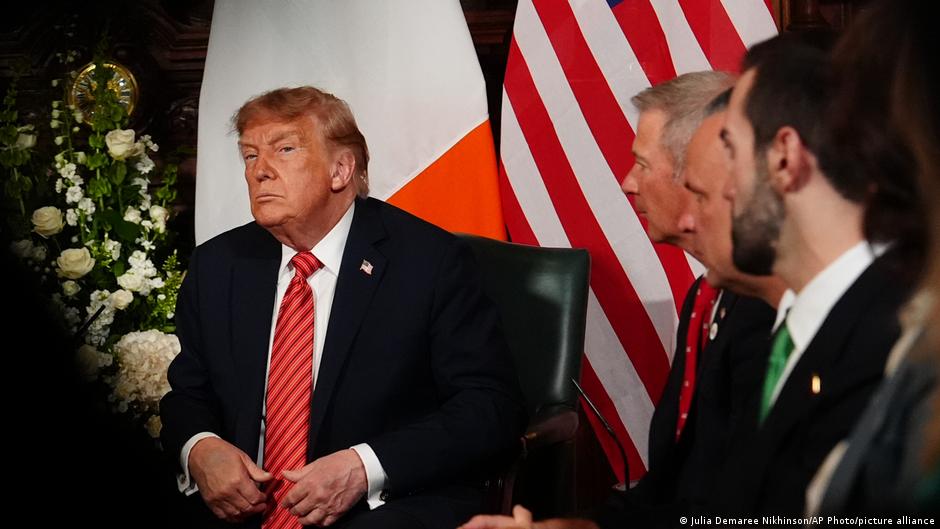
Former President Donald Trump, who had previously opposed the legislation pending broader sanctions authority, shifted his stance following Senator Graham’s death. This bipartisan consensus enhances the likelihood of eventual passage, with final Senate voting expected later this week. However, due to the recess of the House of Representatives, enactment may be delayed until September.
Trading volumes in affected sectors are likely to increase as market participants adjust positions ahead of potential tariff implementations. Equity research analysts recommend close monitoring of energy commodities, defense stocks, and international trade-exposed companies for early signals of sector rotation prompted by the sanctions.