US Removes Syria from Terror Sponsor List, Signaling Potential Market Shifts
Washington’s delisting of Syria may prompt sector rotation and impact Middle Eastern geopolitical risk assessments on Wall Street.
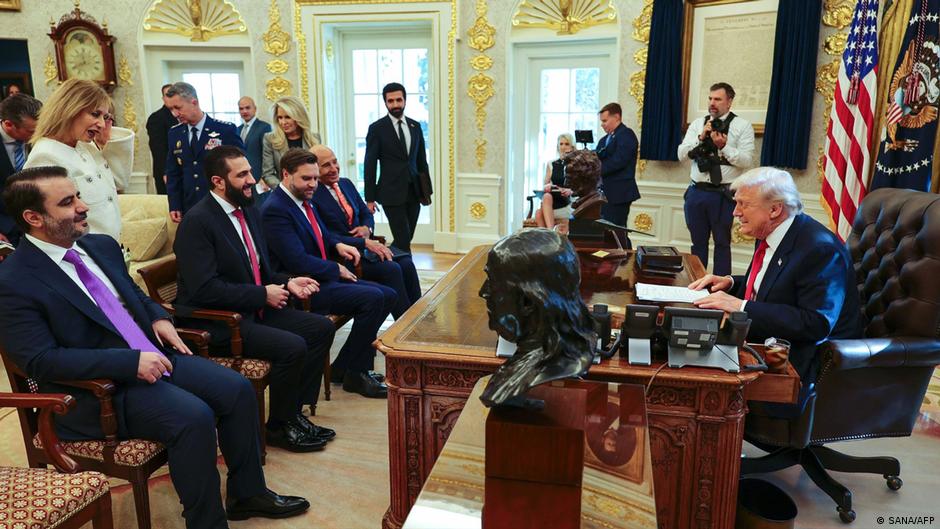
The U.S. State Department has officially removed Syria from its list of state sponsors of terrorism after nearly five decades, a move reflecting the Trump administration’s efforts to normalize relations with Damascus and potentially influencing market dynamics related to Middle Eastern geopolitics.
Implications for Markets and Sector Rotation
The removal of Syria from the terrorism sponsor list, accompanied by lifted sanctions against the group Hayat Tahrir al-Sham (HTS), signals a notable shift in U.S. foreign policy. This development is expected to affect equity markets, particularly stocks linked to defense, energy, and emerging market sectors.
The U.S. Treasury Secretary Scott Bessent emphasized that these steps aim to attract increased investment into Syria to foster political and economic stability. Equity research teams are assessing how this normalization could alter risk premiums for companies operating in or near the Middle East, especially in sectors such as energy infrastructure, construction, and regional banking.
“These measures provide a pathway for Syria’s deeper integration into the global economic and financial systems, opening avenues for investments and technology transfers,” said Syria’s interim Finance Minister Mohammed Barniya.
Trading volumes in stocks sensitive to Middle East geopolitical developments, including defense contractors and global commodity firms, may see increased volatility as investors recalibrate expectations on regional risks. Analysts are closely monitoring the geopolitical landscape, particularly given ongoing tensions between Syria’s transitional government and neighboring Israel.
Geopolitical Context and Investor Considerations
Following the overthrow of the Assad regime in late 2024, the power takeover by HTS and its leader, interim President Ahmed al-Shara, has led to improved relations with several Western countries, including Germany and the Trump administration. This has culminated in the June 2025 removal of most U.S. sanctions against Syria.
Despite these advances, tensions remain high in the region. For example, military strikes by Israel on Syrian airfields just days before the U.S. announcement underscore persistent security risks. Israel’s concerns include limiting Turkey’s military presence in Syria and the ongoing dispute over the Golan Heights, a region internationally recognized as Syrian territory but largely controlled by Israel.
From the Wall Street perspective, these geopolitical nuances contribute to complex risk assessments for international investors. Stocks in defense sectors may benefit from increased demand due to ongoing regional instability, while energy and infrastructure firms might anticipate new opportunities as Syria gradually reintegrates into the global economy.
Syria’s removal from the terrorism list may also trigger sector rotation away from traditional safe havens towards emerging markets with improving political climates. Investors and fund managers are advised to stay vigilant, balancing the potential uplift in Syrian-related assets with the enduring volatility in Middle Eastern geopolitics.