US Rejects NATO Help in Strait of Hormuz, Raising Market Uncertainty for Energy Stocks
President Trump declines NATO assistance in Strait of Hormuz amid ongoing Middle East tensions, while European allies prepare a multinational security mission.
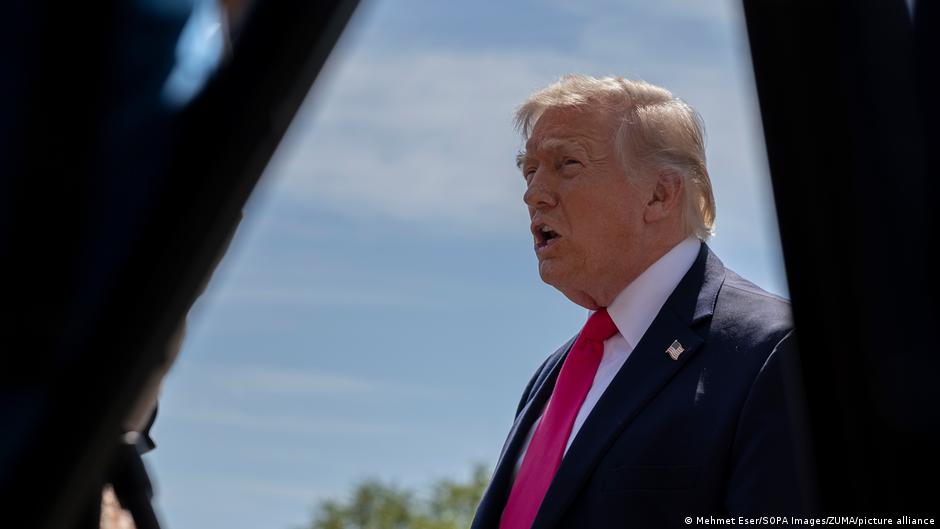
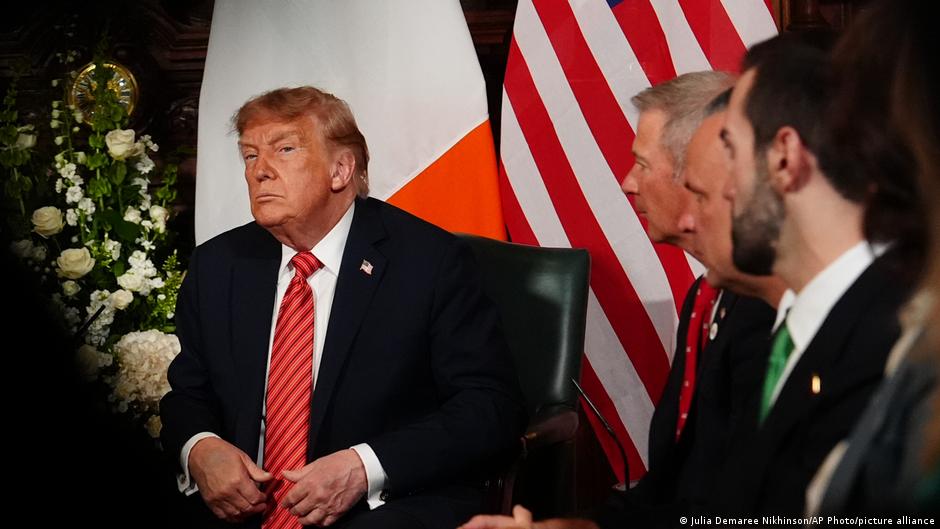
President Donald Trump has publicly declined NATO's offer to assist the United States in securing the Strait of Hormuz, a strategic oil transit chokepoint. Trump described the alliance as a "paper tiger," asserting that NATO was ineffective when needed and instructing them to "stay out" unless they intended to load their ships with oil. His comments were posted on his social media platform, Truth Social, on April 17.
"Now that the situation in the Strait of Hormuz has been resolved, I received a call from NATO asking if we needed help. I told them to stay away unless they just want to load their ships with oil. They were useless when needed—paper tigers!" Trump stated, signaling a unilateral approach amid geopolitical tensions impacting global markets.
European Allies Step Forward with Multinational Mission
In contrast to the US position, France and the United Kingdom announced leadership of a forthcoming multinational mission aimed at ensuring freedom of navigation through the Strait. The mission, described as purely defensive and peacekeeping, will focus on protecting commercial shipping and supporting demining operations. This announcement followed an international conference on maritime security held in Paris on April 17.
UK Prime Minister Keir Starmer emphasized that over a dozen countries have offered support for the mission, reflecting growing European commitment to stabilizing the critical oil transit corridor.
German Chancellor Friedrich Merz also expressed Germany's willingness to participate, conditional on the cessation of Middle East hostilities and a robust legal mandate such as a United Nations Security Council resolution. Merz underscored the desirability of US involvement, highlighting the mission's need for broad international backing.
"This mission will be exclusively peaceful and defensive, aimed at ensuring the safety of commercial navigation and supporting mine clearance," said UK Prime Minister Keir Starmer.
Market Implications: Energy Stocks and Sector Rotation
The US rejection of NATO assistance, juxtaposed with European efforts to lead a security mission, introduces uncertainties that are likely to influence investor sentiment and trading volumes in energy-related equities. The Strait of Hormuz is a vital artery for global oil shipments, with disruptions historically causing spikes in oil prices and volatility in energy stocks.
Market analysts note that Trump's remarks and the ongoing regional ceasefire developments—such as the temporary 10-day truce agreed between Israel and Lebanon—may lead to short-term fluctuations in oil prices and, consequently, related equity sectors. However, continued accusations of ceasefire violations and sustained US sanctions on Iranian ports suggest persistent geopolitical risk.
Energy sector shares could experience increased trading volumes as investors react to the evolving risk landscape. Some equity research teams are recommending a cautious stance, advising clients to monitor geopolitical headlines closely while considering tactical sector rotation strategies favoring defensive stocks amid uncertainty.
"The divergence between US and European approaches to the Strait of Hormuz security could keep energy markets on edge," said a senior equity analyst. "Traders should anticipate volatility in oil prices and corresponding movements in energy stocks until there is clearer regional stability."
Overall, the evolving security dynamics in one of the world's most critical maritime passages underscore the complexities facing global markets and highlight the strategic interplay between geopolitical decisions and investor behavior.