Drone Attacks Ignite Oil Storage Fires in Russia’s Krasnodar and Sevastopol, Raising Market Concerns
Ukrainian drone strikes caused fires at oil depots in Tikhoretsk and Sevastopol, with increased air defense activity disrupting regional logistics.
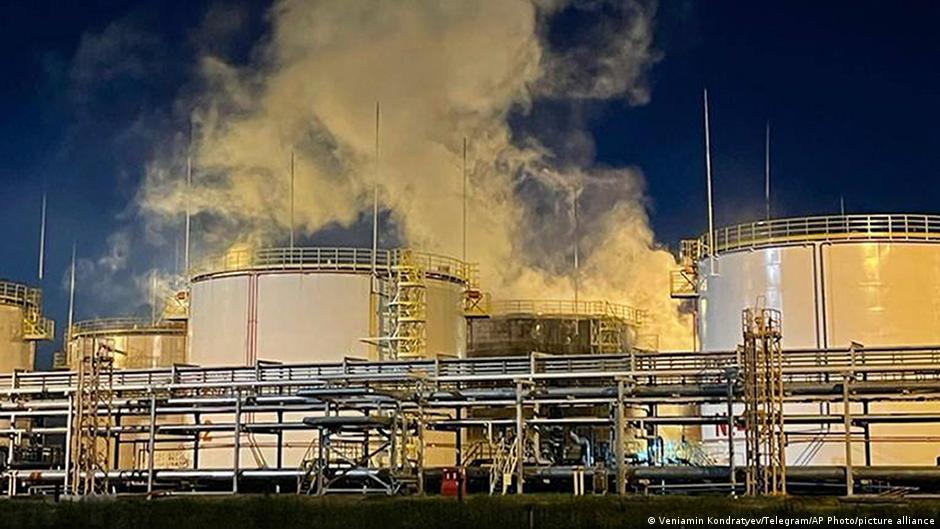
On the night of April 18, Ukrainian drone attacks triggered fires at key oil storage facilities in Russia’s Krasnodar region and the annexed city of Sevastopol. While no casualties have been reported, the incidents are drawing attention from energy sector analysts and traders due to potential disruptions in regional fuel supply chains and heightened geopolitical risks.
Impact on Oil Storage and Regional Infrastructure
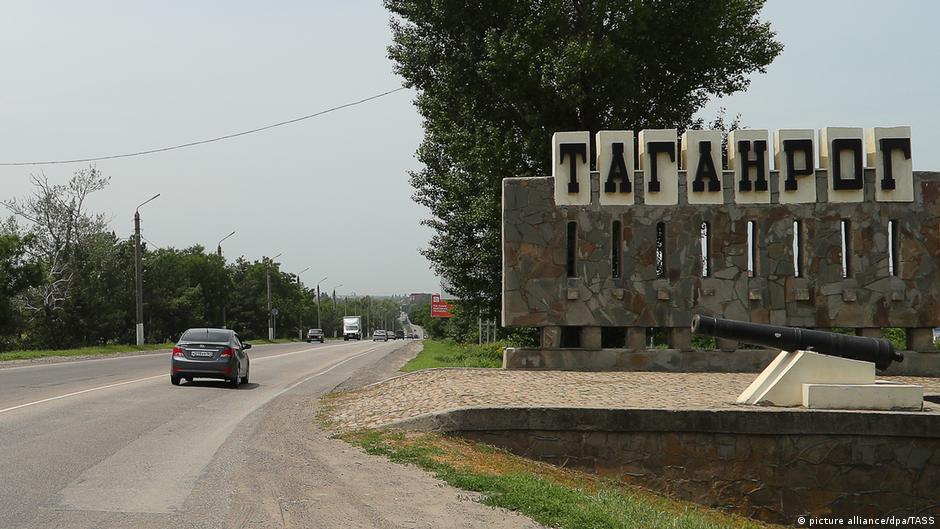
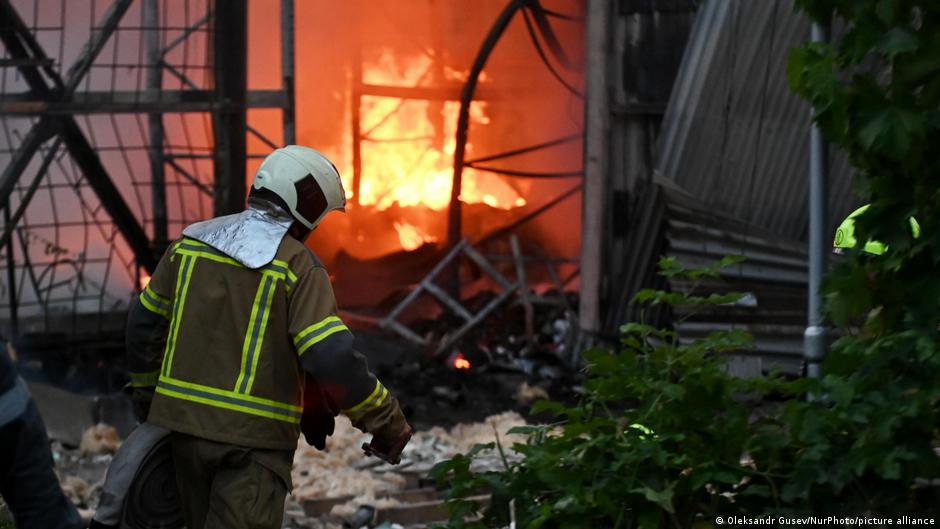
In Tikhoretsk, Krasnodar Krai, a major oil depot caught fire following a drone strike, prompting emergency response efforts involving 224 personnel and 56 vehicles. Authorities confirmed that there were no fatalities or injuries. Simultaneously, in Sevastopol’s Kazachya Bukhta district, a fire broke out in a fuel tank containing residual fuel, reportedly caused by a downed unmanned aerial vehicle (UAV). The affected area was described as small, with no reported human harm.
Sevastopol officials also reported the successful interception of 22 Ukrainian drones by air defense systems overnight, signaling intensified aerial confrontations in the region.
"The fires follow a series of coordinated drone attacks, emphasizing the increasing use of unmanned systems in this conflict," said a regional security analyst.
Broader Implications for Aviation and Market Sentiment
The Ukrainian drone offensive prompted air raid alerts beyond these regions, notably in Leningrad Oblast. Russian aviation authorities imposed temporary restrictions on aircraft takeoffs and landings at Pskov Airport and activated contingency plans—known as the "Coverage" plan—at airports in Saratov, Penza, Samara, and Ulyanovsk. These measures suggest escalating risks to transport and logistics hubs.
From a market perspective, these developments contribute to volatility in energy stocks, particularly those with exposure to Russian oil infrastructure. Traders are monitoring potential supply constraints and increased operational risks, which may accelerate sector rotation toward alternative energy sources or geographically diversified oil producers.
Equity research notes highlight that while direct damage to global oil supply may be limited, the attacks underscore the vulnerability of regional infrastructure amid ongoing geopolitical tensions. Increased security expenditures and supply chain uncertainties could pressure profit margins for companies reliant on Russian energy exports.
Trading volumes in oil-related equities and defense contractors are expected to rise as market participants react to these events. Investors should weigh the balance between short-term disruption risks and longer-term energy demand fundamentals.