Pope Leo XIV's Africa Visit Stirs Geopolitical Tensions Impacting Market Sentiment
Pope Leo XIV’s condemnation of global conflicts and political leaders influences sector rotations and trading volumes on Wall Street.
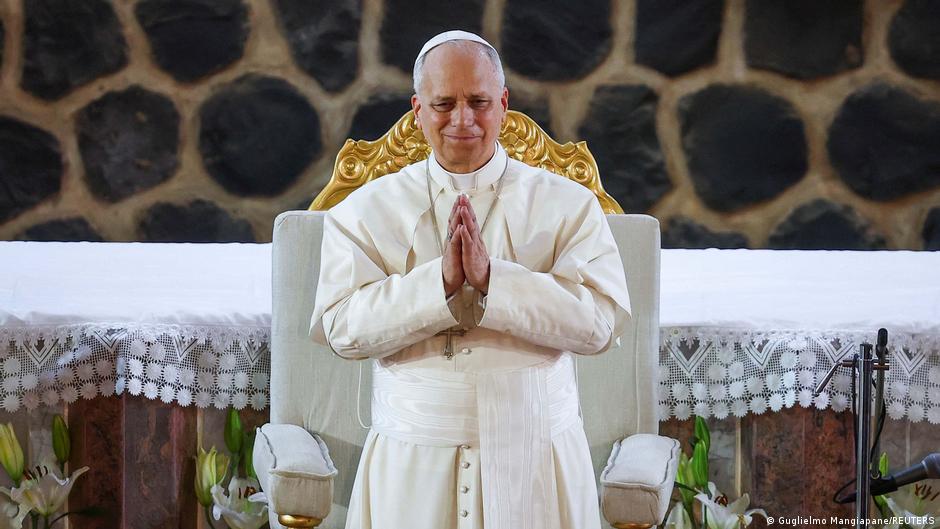
Pope Leo XIV’s recent 11-day tour across Africa has sparked notable discourse on global political tensions, reverberating into financial markets by shaping investor sentiment and sector positioning. The pontiff’s sharp criticism of "tyrants exploiting the world" during his visit to Cameroon underscores deepening geopolitical risks that Wall Street analysts are now factoring into their outlooks.
Impact on Market Sectors and Trading Volumes
During his speech at the Saint Joseph Cathedral in Bamenda, Cameroon, Pope Leo XIV condemned leaders who “manipulate religion and the name of God for military, economic, and political gain,” highlighting the ongoing exploitation and conflicts destabilizing global regions. Such comments come amid intensifying debates over defense spending and international diplomacy, elements that closely influence specific equity sectors.
“Blessed are the peacemakers, but woe to those who manipulate religion for their own military, economic and political gain,” Pope Leo XIV said, signaling concerns over militarization and economic exploitation.
This geopolitical rhetoric has led to increased volatility and rotation out of defense stocks, which had seen rallies due to rising global tensions. Traders have noted a surge in volume within sectors aligned with peace-building, including infrastructure and technology firms focused on diplomatic communications and conflict resolution technologies. Conversely, defense contractors and energy companies linked with geopolitical hotspots have experienced subdued trading activity and downward pressure on share prices.
Equity Research Perspectives and Trading Behavior
Equity research reports following the pontiff’s public statements emphasize the potential for a rebalancing in portfolios. Analysts recommend caution around stocks directly benefiting from conflict escalation, advocating instead for exposure to sectors tied to stability and reconstruction efforts. Financial institutions are monitoring governments’ defense budgets, especially in NATO and allied countries, as proclamations by global religious and political leaders add complexity to policymaking.
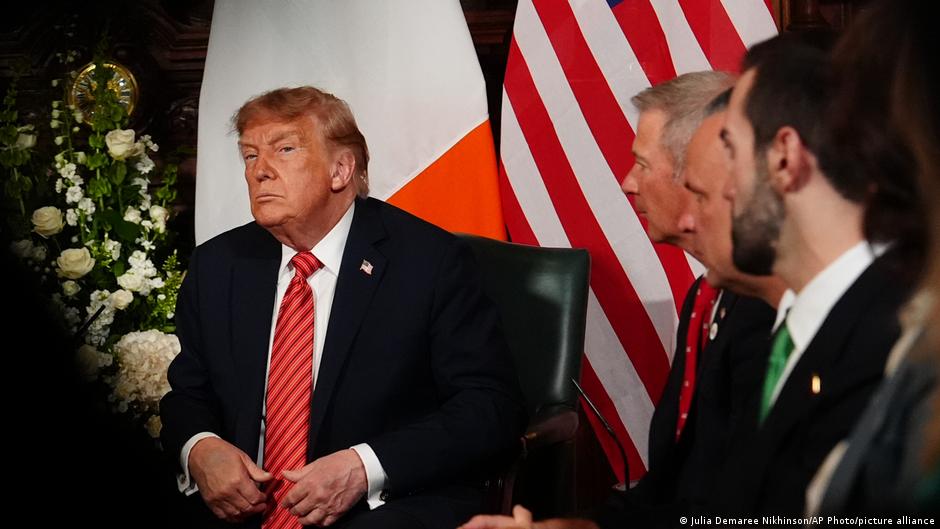
Market participants are also weighing the broader implications of Pope Leo XIV’s critique of U.S. foreign policy. His call for dialogue rather than military escalation contrasts with the concurrent hardening rhetoric from political figures, including then-U.S. President Donald Trump, whose dismissive response to the pontiff’s message introduces additional uncertainty. Such polarized exchanges contribute to shifts in investor confidence, impacting trading volumes and volatility indexes.
Regional Focus and Future Outlook
The pope’s itinerary through Algeria, Cameroon, Angola, and Equatorial Guinea — regions with varying degrees of political tension and economic opportunity — places spotlight on emerging markets within Africa. These areas are gaining attention from global investors seeking diversified growth amid geopolitical turbulence elsewhere. The pontiff’s emphasis on peace and reconciliation resonates with strategies favoring long-term stability over short-term defense-driven gains.
Market strategists anticipate that ongoing diplomatic pressures and public calls for de-escalation will influence upcoming fiscal policies and international trade relations, with consequent effects on equities linked to defense, energy, and infrastructure sectors. Investors are advised to monitor developments closely as the pope continues his African tour, given the potential for significant shifts in sector leadership and trading activity.