US Extends Suspension of Sanctions on Russian Oil Exports Through May 16
Washington prolongs exemption on Russian crude shipments amid global energy market volatility.
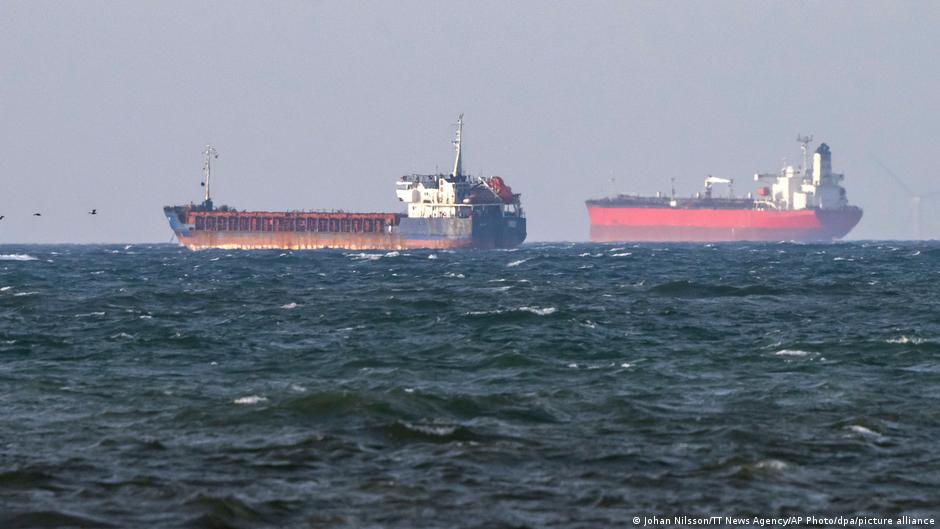
The United States has extended its temporary waiver on sanctions targeting Russian oil and petroleum product shipments already loaded onto tankers, now set to expire on May 16. This move marks a reversal from earlier statements by the U.S. Treasury Secretary indicating that such exemptions would not be renewed.
Impact on Energy Markets and Equity Trading
Initially implemented on March 13 for a 30-day period, the sanctions relaxation was designed to mitigate the sharp rise in energy prices triggered by geopolitical tensions in the Middle East. The exemption allowed vessels carrying Russian crude and refined products to continue their journeys despite existing sanctions.
"This narrowly targeted and short-term measure was not expected to significantly boost Moscow's oil revenues," Treasury Secretary Scott Bessent previously stated, although recent data suggests otherwise.
According to reports, Russia's daily oil revenue increased by over $100 million following the sanctions relief, nearly doubling its monthly earnings from $9.5 billion in February to $19 billion in March, as per the International Energy Agency's figures. This revenue surge reflects the complex dynamics between sanction policies and global supply-demand balances.
Despite these developments, the global oil price indexes have not exhibited marked fluctuations attributable solely to the sanctions waiver. Market analysts note that a considerable volume of Russian crude continues to be transported via so-called "shadow fleet" tankers circumventing restrictions, which adds opacity to supply tracking but maintains steady price levels.
In equity markets, oil and energy sectors have experienced mixed reactions. Stocks of major integrated oil companies showed moderate gains as investors factored in the supply steadiness, while traders monitored potential shifts in sector rotation towards energy amid inflation concerns and geopolitical risk premiums.
Trading volumes in oil futures contracts have seen a modest uptick, reflecting heightened investor engagement around geopolitical developments. Equity research analysts emphasize cautious optimism, suggesting that while the extension tempers immediate supply shocks, longer-term uncertainties regarding sanctions enforcement and alternative energy policies continue to weigh on market sentiment.
Overall, the U.S. decision to prolong sanction exemptions illustrates the balancing act between geopolitical strategy and market stability, with direct implications for energy equities and commodity traders navigating the evolving landscape.