US Plans to Allow Saudi Uranium Enrichment Could Impact Energy and Defense Stocks
US administration's move to permit Saudi uranium enrichment without strict IAEA oversight may influence sector rotations and market dynamics on Wall Street.
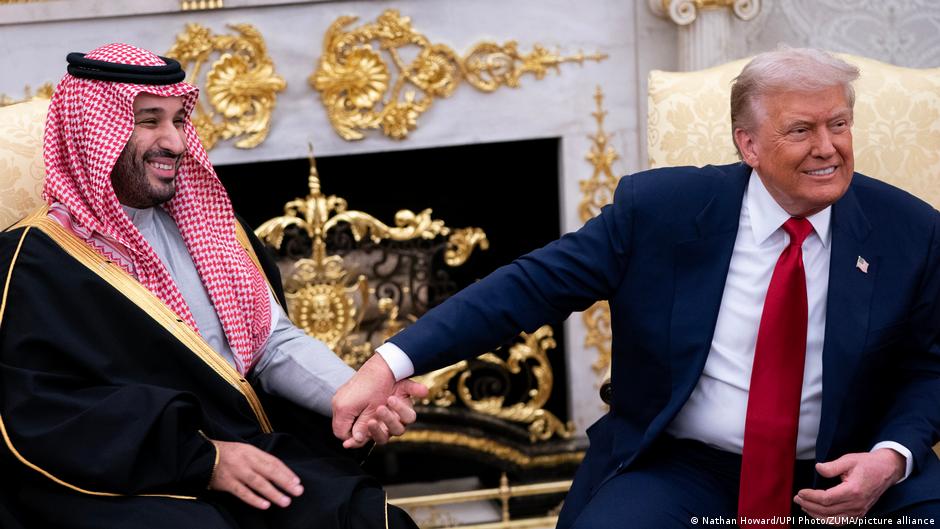
The Trump administration has provisionally agreed to allow Saudi Arabia to enrich uranium without imposing safeguards that mandate rigorous inspections by the International Atomic Energy Agency (IAEA), according to multiple sources familiar with the negotiations. This development could significantly reshape investment flows and sector outlooks on Wall Street.
Market Implications of US-Saudi Nuclear Cooperation
The proposed bilateral agreement between Washington and Riyadh aims to support Saudi Arabia's civilian nuclear energy ambitions. However, experts warn that the absence of commitments from Saudi Arabia to adopt the IAEA's Additional Protocol—which grants inspectors expanded rights to detect undeclared nuclear activities—raises concerns that Riyadh could potentially develop nuclear weapons capability in the future.
"If Iran acquires nuclear weapons, Saudi Arabia is likely to pursue the same," Crown Prince Mohammed bin Salman previously stated, highlighting geopolitical risks that could stoke volatility in defense and energy markets.
"The agreement, pending final signature, may shift sector rotations as investors reassess geopolitical risks and energy security dynamics in the Middle East."
Wall Street investors are now closely monitoring how this development might affect stocks in the defense sector, including companies specializing in missile defense and nuclear technology. Shares of firms engaged in nuclear fuel production or uranium mining may also experience increased trading volumes as market participants price in potential growth prospects tied to Saudi Arabia's nuclear expansion.
Conversely, energy stocks—particularly in oil and gas—could face pressure amid concerns over heightened regional instability and the strategic pivot toward nuclear energy.
The US-Saudi nuclear cooperation deal, which was expected to be finalized by fall 2025, remains unsigned by President Trump amid escalating tensions surrounding US and Israeli military actions against Iran. This delay adds an additional layer of uncertainty for equity research analysts forecasting sector rotations driven by geopolitical developments.
As the situation evolves, portfolio managers may adopt more cautious stances or increase allocations to sectors perceived as beneficiaries of increased defense spending and nuclear energy investments.