U.S. Military Strikes on Iran Intensify Market Uncertainty and Sector Rotation on Wall Street
New U.S. attacks on Iranian targets escalate geopolitical tensions, impacting energy stocks and trading volumes amid evolving sector dynamics.
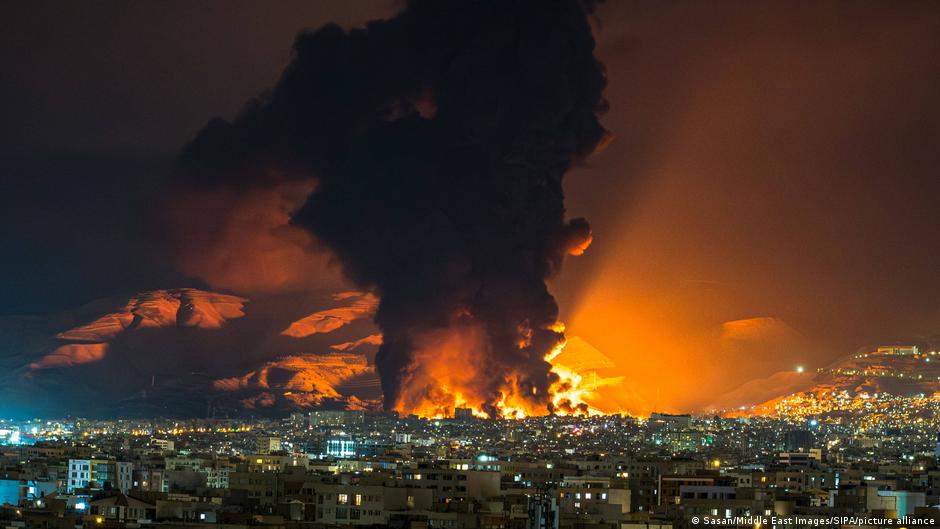
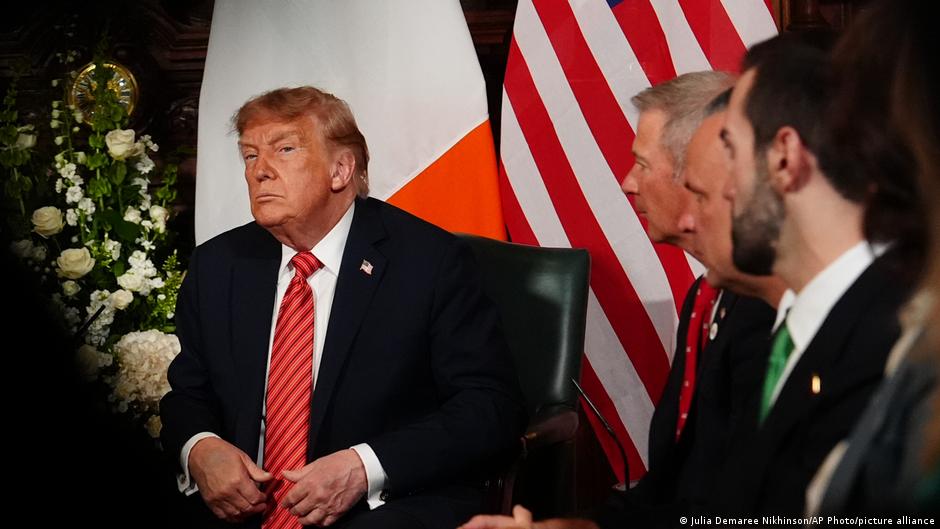
The U.S. military has launched a new wave of offensive operations against Iran, signaling an escalation in geopolitical tensions that is influencing Wall Street trading patterns. The strikes, ordered personally by former President Donald Trump, aim to limit Tehran's ability to disrupt shipping in the strategically vital Strait of Hormuz.
Market Impact and Sector Rotation
The latest military moves have intensified uncertainty in the markets, prompting volatility particularly in energy and defense sectors. Stocks of oil producers and shipping companies have experienced increased trading volumes amid concerns over supply disruptions. The reimposition of U.S. sanctions on Iranian oil, reinstated shortly before the new airstrikes, compounds pressure on the global energy market, driving investors to adjust their positions.
Energy sector equities initially surged on fears of tightened supply routes in the Gulf but later faced selling pressure as traders balanced potential risks against diplomatic outcomes. Simultaneously, defense contractors have seen mixed responses, with some gains reflecting anticipated government spending on military operations, while others remain cautious pending geopolitical developments.
"The demonstrated aggression by Iran was unjustified and represents a clear violation of the ceasefire," stated the U.S. Central Command (CENTCOM), underscoring the rationale behind the military actions.
The Strait of Hormuz remains a focal point, with Iranian reprisals reported against American military installations in Kuwait and Bahrain. These tit-for-tat actions contribute to a heightened risk environment, causing investors to reallocate assets toward safer havens and sectors perceived as more resilient.
Equity research analysts are closely monitoring the evolving situation, noting that prolonged conflict could disrupt global trade flows and energy prices, influencing corporate earnings and valuation models. Trading desks report elevated volumes in oil-related exchange-traded funds (ETFs) and defense stocks, reflecting repositioning strategies amid the geopolitical risk premium.
Market participants await further clarity regarding diplomatic efforts, as President Trump publicly dismissed ongoing ceasefire agreements and labeled Iranian negotiators as untrustworthy, though he permitted his team to continue dialogue if deemed necessary. This ambiguous stance contributes to market uncertainty, complicating forecasting efforts for institutional investors and traders alike.
In summary, the renewed U.S. military strikes on Iran and the consequent regional tensions have introduced increased volatility and sector rotation on Wall Street. Energy and defense sectors remain in focus as investors navigate the complex interplay between geopolitical risks and market fundamentals.