US Military Strikes on Iran Impact Key Oil Passage, Triggering Market Uncertainty
Renewed US-Iran clashes close the Strait of Hormuz, disrupting oil exports and affecting energy sector stocks and trading volumes on Wall Street.
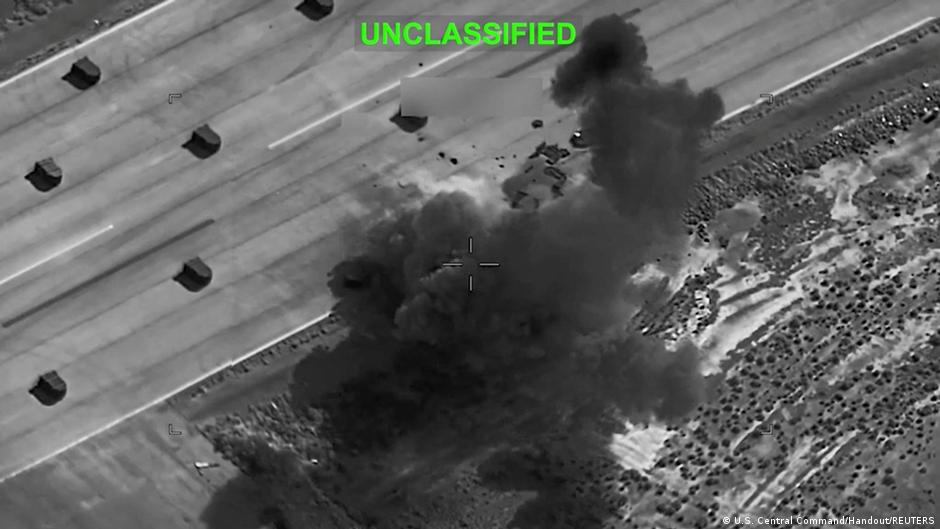
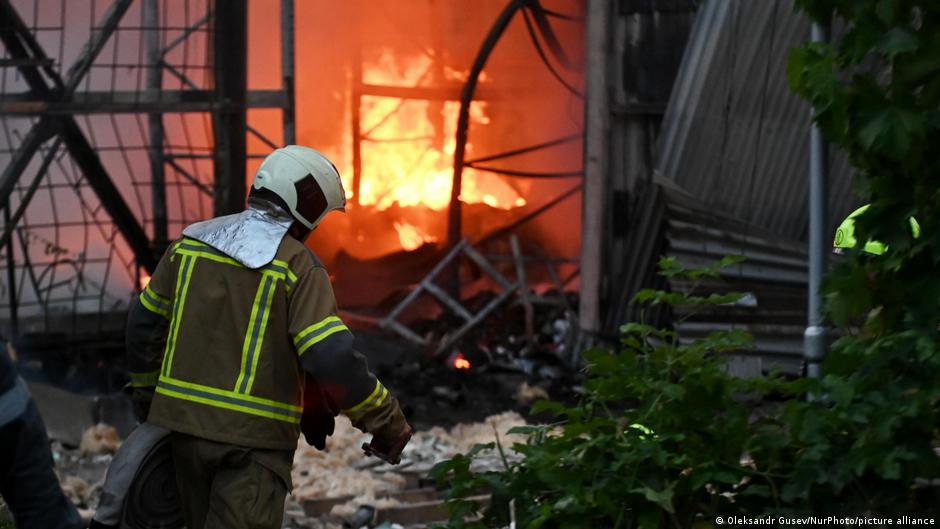
In a significant escalation of tensions in the Middle East, the US military launched its third round of strikes against Iran within a week following an attack by Iran's Islamic Revolutionary Guard Corps (IRGC) on a civilian vessel in the Strait of Hormuz. This strategic waterway, crucial for global oil exports, has again been closed, raising concerns among investors and prompting volatility in energy and shipping stocks on Wall Street.
Geopolitical Conflict and Market Repercussions
The US Central Command (CENTCOM) announced the latest airstrikes early Sunday, targeting what it described as military facilities responsible for recent attacks on commercial shipping. The strikes were a direct response to the IRGC's attack on the GFS Galaxy, a Cyprus-flagged container ship transiting the Strait of Hormuz. The vessel sustained severe damage and a fire onboard, forcing it to halt its journey, with one crew member reported missing.
"Iran was given another chance to demonstrate compliance with the Memorandum of Understanding, but again failed," CENTCOM stated, emphasizing ongoing US efforts to weaken Iran's ability to threaten civilian maritime traffic.
Meanwhile, the IRGC justified its actions by accusing the vessel of not following Iran-approved navigation routes and claimed it conducted warning shots before the incident. Iranian authorities declared the Strait of Hormuz closed indefinitely, demanding a cessation of US military activities in the region as a condition for reopening the vital shipping lane.
These developments have reignited fears of a broader conflict that could severely disrupt global oil supplies. Prior to this escalation, approximately 20% of the world's traded oil volume passed through the Strait. The closure and military skirmishes have led to sharp increases in oil prices and have triggered rotation within the energy sector, influencing investor sentiment and trading volumes.
Wall Street Response: Sector Rotation and Trading Dynamics
Following news of the strikes and the closure of the Strait of Hormuz, energy stocks, particularly those of major oil producers and shipping companies, experienced increased volatility. Analysts note a rotation away from riskier sectors toward energy and defense stocks, which typically benefit during geopolitical crises.
Equity research teams highlight that while short-term uncertainty has spiked, companies with strong upstream operations and diversified supply chains may offer relative resilience. Trading volumes in energy ETFs and futures contracts surged as investors sought exposure to potential oil price gains amid supply concerns.
Furthermore, defense contractors with Middle East exposure have seen heightened trading activity, reflecting expectations of increased US military engagement. However, some market participants caution that prolonged instability could dampen overall market confidence, leading to broader equity market adjustments.
Investors are closely monitoring statements from US officials, including Defense Secretary Pete Hegseth's remarks that "Iran made the wrong choice and is now paying for it," and the US president's recent denunciation of Iran's leadership, which underscores the likelihood of continued hostilities.
The evolving situation remains a key focus for Wall Street strategists, who stress the importance of tracking developments in the Strait of Hormuz as a barometer for risk in the energy sector and global markets.