US Military Strikes on Iran Escalate Tensions Amid Strait of Hormuz Attacks
US air strikes on Iranian military infrastructure follow drone attacks on oil tankers, raising concerns over energy sector volatility and market reactions.
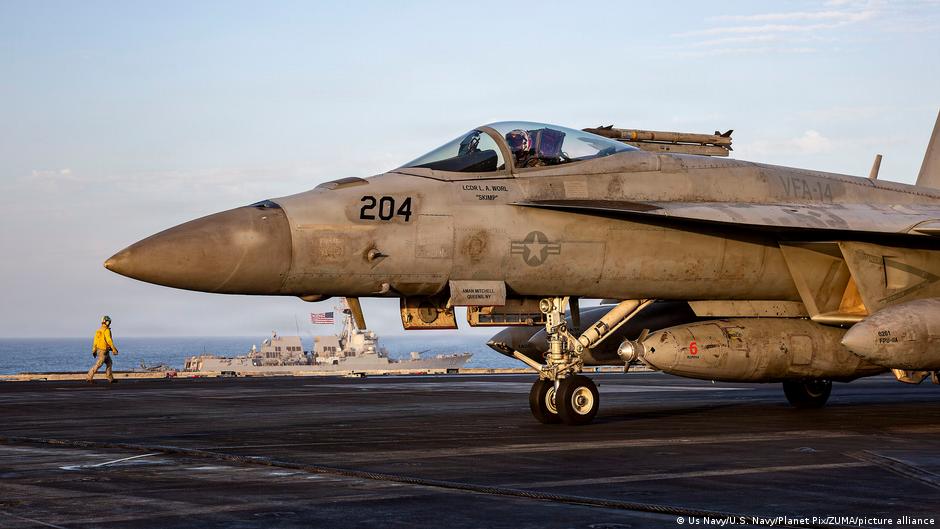
On June 27, US military forces launched targeted air strikes against Iranian military assets, including surveillance infrastructure, communication systems, air defense sites, drone storage facilities, and mining equipment. This action was taken in direct response to recent Iranian attacks on commercial vessels navigating the strategic Strait of Hormuz.
The US Central Command (CENTCOM) stated that the strikes were a reaction to Iran’s continued aggression against peaceful shipping interests. Following an earlier attack on the tanker Ever Lovely, Iran launched a kamikaze drone strike at 4:30 AM Eastern Time on the tanker Kiku, which was carrying over two million barrels of crude oil under the Panamanian flag near the Strait of Hormuz.
Market Implications and Sector Rotation
These escalations have immediate implications for global energy markets and equity sectors sensitive to geopolitical risks. The Strait of Hormuz is a critical chokepoint through which about 20% of the world’s oil supply transits. Any disruption or perceived threat to energy flows tends to drive up oil prices and increase volatility in energy-related stocks.
“The recent strikes and counterstrikes underscore the fragile security environment in the Middle East, which is likely to keep energy prices elevated and impact trading volumes in oil and defense sector equities,” said an equity research analyst.
Following the US military response, oil prices saw upward pressure as traders factored in potential supply constraints. Energy sector stocks, particularly those of oil producers and pipeline operators, experienced higher trading volumes as investors repositioned portfolios to hedge geopolitical risks.
Conversely, regional shipping and logistics companies saw negative sentiment as ongoing tensions threaten maritime security in the Gulf region. Market analysts are closely monitoring shifts in sector allocations, with a rotation into defense contractors and energy infrastructure firms expected if hostilities persist.
Trading Volumes and Equity Research Perspectives
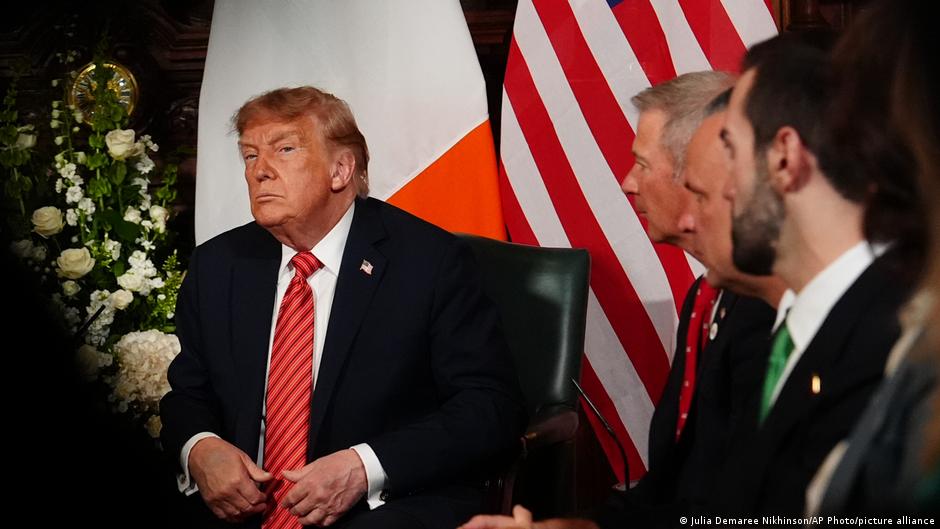
US President Donald Trump confirmed the strikes and warned of further military escalation if Iran continues its aggressive actions, signaling potential prolonged instability. This statement was echoed by CENTCOM’s commitment to maintaining vigilance and readiness to act, emphasizing the volatile nature of the situation.
Investors and traders are advised to watch for updates on the security situation, as even minor developments can cause rapid swings in equities and commodities. Equity research teams are updating risk assessments, highlighting the importance of diversified portfolios to mitigate geopolitical exposure.
In addition to energy markets, the defense sector is likely to experience increased investor interest. Companies involved in aerospace, surveillance technologies, and missile defense stand to benefit from increased government spending aimed at countering emerging threats in the Middle East.
Meanwhile, regional financial markets remain cautious. Kuwait and Bahrain have reported missile and drone attacks attributed to the Iranian Revolutionary Guard Corps, adding to the geopolitical uncertainty. Air raid sirens and civil defense alerts in Bahrain highlight the escalation risks and potential for further disruptions.
Despite the heightened tensions, CENTCOM reassured that commercial shipping through the Strait of Hormuz continues, maintaining essential global trade flows. However, the risk premium on maritime insurance and shipping stocks may rise as operators seek to navigate the increasingly hazardous environment.
In summary, the recent US-Iran exchanges have injected fresh volatility into markets, especially impacting energy and defense sectors. Traders should monitor developments closely, as sector rotation and shifts in trading volumes reflect the evolving geopolitical risk landscape.