US Military Strikes on Iran Escalate Geopolitical Risks Impacting Energy and Defense Stocks
US attacks on Iranian military and infrastructure trigger retaliatory strikes and heighten market volatility in energy and defense sectors.
The recent US military strikes targeting Iranian military and infrastructure assets have intensified geopolitical tensions, prompting renewed volatility on Wall Street, particularly within energy and defense sectors.
Details of the US Strikes and Iranian Retaliation
On July 16, the US Central Command (CENTCOM) executed two waves of airstrikes against key Iranian locations. The first wave targeted port facilities in the strategic Strait of Hormuz area, including repeated air raids on the ports of Sirik and Bandar Abbas, as well as a fishmeal production plant near Qeshm Island. Additional attacks hit sites in Ahvaz, Rasak, and Kenarak.
The second wave focused on degrading Iran's command centers, air defenses, missile and drone capabilities, and coastal observation posts to further diminish threats to commercial shipping crews operating in the Persian Gulf.
Furthermore, the US disabled an unmanned Iranian oil tanker, the M/T Belma, attempting to breach a maritime blockade by firing Hellfire missiles that damaged its smokestack. This marks a significant escalation in enforcing US-imposed restrictions on Iranian maritime traffic.
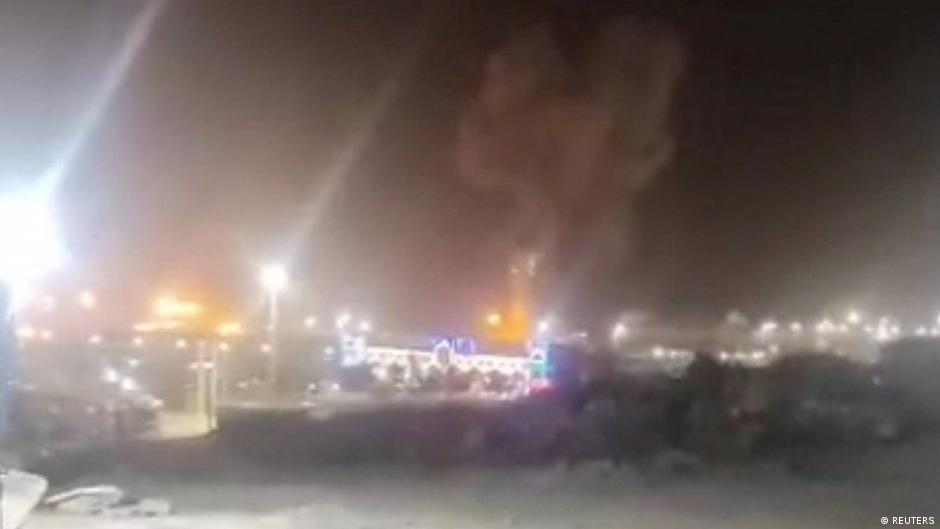
In response, Iran launched attacks on US military bases in Bahrain and Kuwait, with reports of multiple explosions at the US Fifth Fleet headquarters and other installations. The heightened military activity led neighboring Saudi Arabia and Jordan to partially close their airspace temporarily.
US Vice President JD Vance remarked, "The situation with Iran will be complicated but we are moving in the right direction, employing economic pressure alongside negotiations with pragmatic Iranian leaders."
Market Impact and Sector Rotation
The escalation has reverberated strongly through the markets, with energy stocks experiencing volatility amid concerns over potential supply disruptions in the strategically vital Persian Gulf region. Oil prices saw upward pressure, benefiting integrated energy companies and oilfield services providers.
Simultaneously, defense stocks rallied as investors anticipated increased military spending and demand for defense technologies, including missile systems and surveillance drones. Aerospace and defense manufacturers with government contracts attracted strong trading volumes.
Equity research analysts note a rotation from growth and tech stocks toward sectors viewed as safer havens in times of geopolitical uncertainty. Trading desks reported elevated volumes as market participants recalibrated portfolios to hedge against extended conflict risk.
Overall, the situation is expected to keep markets on edge, with investors closely monitoring developments for further escalation or diplomatic breakthroughs that could stabilize regional tensions.