US Military Strikes on Iran Enter 11th Night Amid Escalating Middle East Tensions
Continued US-Iran hostilities impact energy and defense stocks as market watches sector rotation and trading volumes.
Prolonged US-Iran Conflict Drives Market Volatility
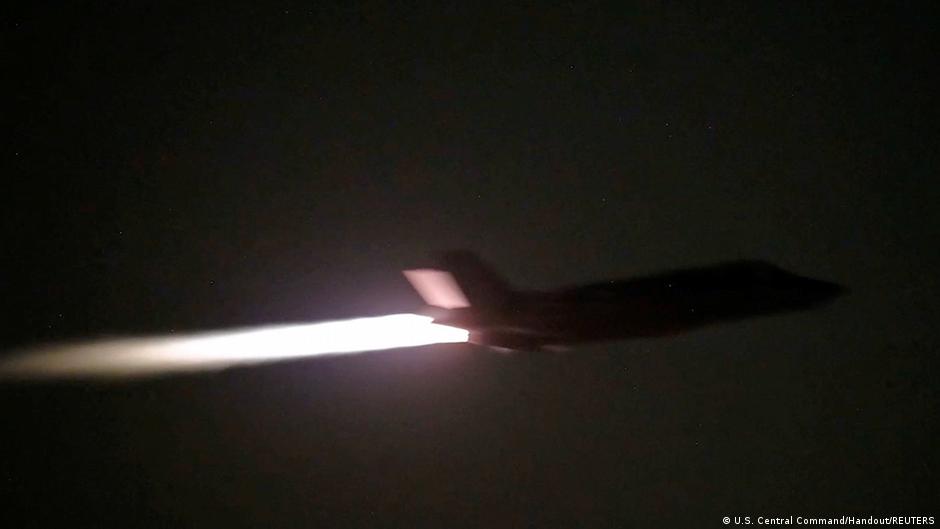
US Central Command (CENTCOM) announced a new wave of strikes targeting multiple Iranian military facilities, marking the 11th consecutive night of attacks. The operation lasted approximately 75 minutes, beginning Tuesday, July 21, at 7:00 PM Eastern Time (1:00 AM CEST on July 22). These strikes come amid escalating tensions that have triggered increased volatility across key market sectors.
The strikes targeted Iranian military operations centers, naval forces, aviation hangars, unmanned aerial vehicle (UAV) storage, and military logistics infrastructure. CENTCOM emphasized these actions aim to degrade Iran's capability to threaten commercial shipping in the strategically crucial Strait of Hormuz.
"Despite Iranian aggression, the Strait of Hormuz remains open for commercial shipping passage," CENTCOM reported, noting that since May, US forces have facilitated the transit of approximately 900 commercial vessels transporting 450 million barrels of crude oil.
However, data from the London Stock Exchange indicates a significant reduction in vessel traffic, with only four ships passing through the Strait on July 19 and eight on July 18, underscoring the impact of regional hostilities on supply chain reliability.
Concurrently, Iran launched missile and drone attacks on the US military base Camp Arifjan in Kuwait, where American forces are stationed. Kuwait’s air defenses reportedly intercepted some of these projectiles. Iran’s Islamic Revolutionary Guard Corps (IRGC) declared a "sixth wave" of its Nasr 2 military operation, targeting US military facilities in Kuwait and Bahrain, although independent verification of these claims remains unavailable.
These ongoing strikes are responses to prior US military actions and the recent nullification by Tehran of a ceasefire deal with Washington, initially brokered in June to establish a long-term peace agreement.
Wall Street Reacts: Sector Rotation and Trading Volumes
The prolonged conflict has spurred notable market reactions, particularly in energy and defense sectors. Oil prices have experienced upward pressure due to concerns over disruptions in Persian Gulf crude supply routes, which directly impacts energy equities. Investors are rotating assets towards defense contractors benefiting from increased military expenditures and away from sectors vulnerable to Middle East instability.
Trading volumes in energy stocks have surged as market participants hedge against potential supply shocks. Similarly, defense stocks have seen increased institutional interest reflecting expectations of sustained government spending.
Equity research firms are monitoring geopolitical risks closely, advising cautious positioning due to the potential for rapid escalation. Analysts emphasize the importance of tracking logistical disruptions in global oil supplies and the potential for further military confrontations impacting overall market sentiment.
Overall, the US-Iran hostilities continue to weigh on investor confidence, with the risks extending beyond regional geopolitics to affect global energy markets and defense sector valuations.
Market participants are advised to stay vigilant amid the fluid situation, as trading volumes and sector rotations reflect evolving risk assessments tied to Middle East developments.