US Military Strike on Iranian-Bound Cargo Ship Raises Market Concerns on Energy and Shipping Stocks
US forces targeted a Panama-flagged cargo vessel attempting to breach Iran’s blockade, intensifying tensions in the Strait of Hormuz and impacting sector dynamics on Wall Street.
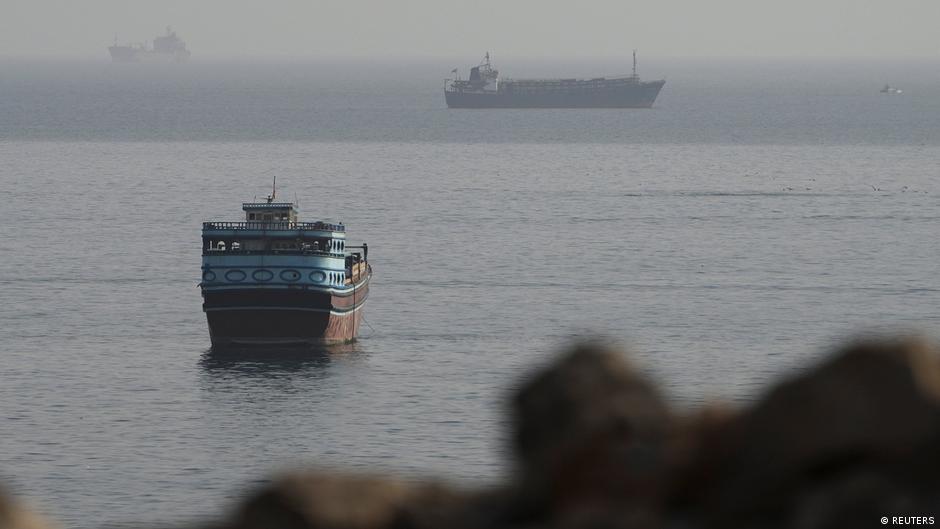
The United States military launched a missile strike against a Panama-flagged cargo ship, the M/V Vela Nova, which attempted to circumvent the US blockade of Iranian ports. The incident, confirmed by the US Central Command (CENTCOM) on August 11, has added fresh uncertainty to the geopolitical landscape surrounding the Strait of Hormuz, a critical chokepoint for global oil shipments.
Details of the Military Action and Market Implications
The Vela Nova vessel reportedly ignored repeated warnings from US forces while trying to enter an unnamed Iranian port via the Gulf of Oman. In response, a US Navy MH-60 helicopter fired two Hellfire missiles targeting the ship’s engine room, disabling its steering capabilities.
CENTCOM highlighted that since the blockade began, 55 commercial vessels have been redirected, three ships disabled for attempting to breach the blockade, and two others boarded. The last known location of the Vela Nova was recorded on August 6 in the Indian port of Nhava Sheva, according to maritime tracking data.
“The situation with Iran is proceeding very well. We have full control of the Strait of Hormuz,” US President Donald Trump stated, underscoring the US strategic dominance over this vital maritime corridor.
This military action and the ongoing blockade underscore the US commitment to controlling the Strait of Hormuz, through which nearly 20% of the world’s petroleum passes. Heightened tensions have already sparked concerns among investors about potential disruptions to crude oil supplies, pushing energy stocks higher amid increased volatility.
From an equity standpoint, the energy sector is experiencing notable sector rotation as investors weigh the risks of escalating conflict. Oil and gas producers, particularly those with upstream operations near the Gulf, are witnessing gains, while shipping and logistics stocks are facing pressure due to the increased operational risks and insurance premiums in the region.
Trading volumes in energy ETFs and related commodities futures have surged as market participants brace for possible supply shocks. Analysts emphasize the importance of monitoring geopolitical developments closely, as any further escalation could severely disrupt global trade flows and widen price volatility.
Iran has responded by laying out stringent conditions for reopening the Strait of Hormuz, demanding compensation for past conflicts and the lifting of US sanctions. This stalemate leaves markets in a fragile state, with uncertainty lingering over the duration and severity of the blockade.
Investors should remain cautious and consider diversifying portfolios to mitigate potential downside risks associated with geopolitical instability in this critical region.