US Lifts Blockade of Strait of Hormuz, Impacting Oil Stocks and Market Sentiment
The US decision to end the naval blockade of the Strait of Hormuz triggers sector rotation and influences trading volumes in energy equities.

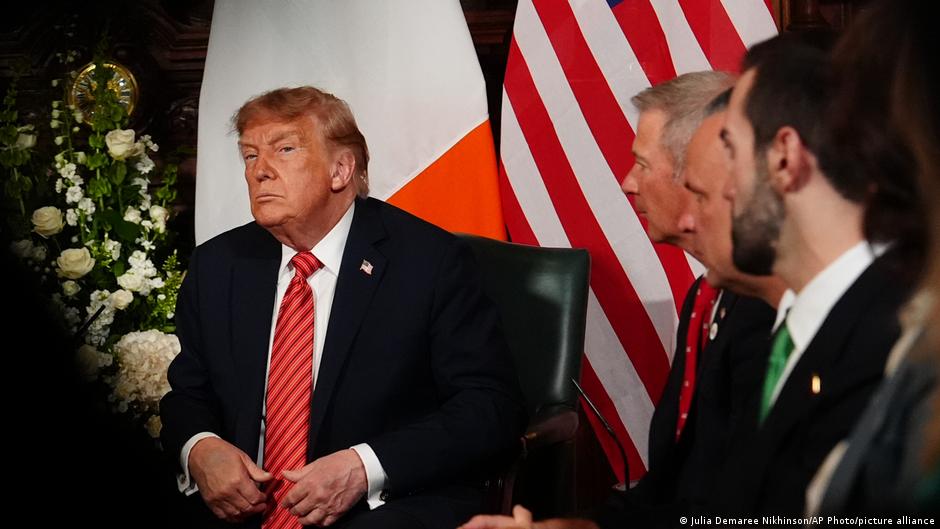
The United States has officially lifted its blockade of the Strait of Hormuz in accordance with a directive from President Donald Trump, Central Command of the US Armed Forces (CENTCOM) announced on June 18. This strategic move comes amid renewed diplomatic efforts between the US and Iran, heralding significant shifts in energy markets and broader equity trading.
Market and Sector Implications
The Strait of Hormuz is a critical chokepoint through which approximately 12.5 million barrels of oil passed in the last 24 hours alone, marking a record volume since the onset of the US-Israeli conflict with Iran on February 28. The reopening of the strait has immediate implications for energy sector stocks, particularly those engaged in oil extraction, refining, and trading.
"All US military actions enforcing the blockade have ceased, although powerful naval vessels remain in the region to ensure compliance with the agreement," CENTCOM stated.
Energy equities are expected to respond positively to the removal of shipping restrictions, as the increased flow of oil supplies mitigates geopolitical risk premiums that had inflated market prices. This dynamic may prompt a sector rotation favoring energy stocks over defensive sectors, given the anticipated stabilization of oil supply chains.
Trading volumes in oil-related equities and commodity-linked exchange-traded funds (ETFs) have surged as investors reposition portfolios to reflect easing tensions. Equity research analysts note that this development reduces the near-term volatility risk inherent in the oil market, potentially supporting higher valuations for upstream producers.
Diplomatic Developments and Future Outlook
The US Vice President David James Vance highlighted that the Iranian side has refrained from engaging in hostile actions for two consecutive nights, signaling a de-escalation of maritime conflict. A 60-day negotiation period has commenced following the remote signing of a memorandum of understanding between Washington and Tehran, aimed at finalizing a comprehensive peace agreement.
The memorandum includes provisions for the immediate cessation of hostilities, the removal of naval blockades, restoration of maritime traffic through the Strait of Hormuz, and lifting of oil sanctions on Iran. It also envisages the withdrawal of US forces from areas surrounding Iran.
Financially, the agreement promises significant capital inflows into Iran, including a $300 billion private investment fund aimed at reconstruction, the release of $24 billion in Iranian assets, and a commitment by Iran to abstain from nuclear weapons development.
These diplomatic breakthroughs are likely to reduce geopolitical risk premiums and could influence investor sentiment across multiple sectors, with positive ramifications for markets sensitive to Middle Eastern stability.
Equity markets may see rotational flows out of traditionally safe haven assets into energy and emerging market equities as peace prospects improve and oil supply risks diminish.