U.S. Issues Passports Featuring President Trump Ahead of 250th Independence Anniversary
Washington begins issuing passports with Trump’s portrait, signaling unique sector impacts and potential market reactions.
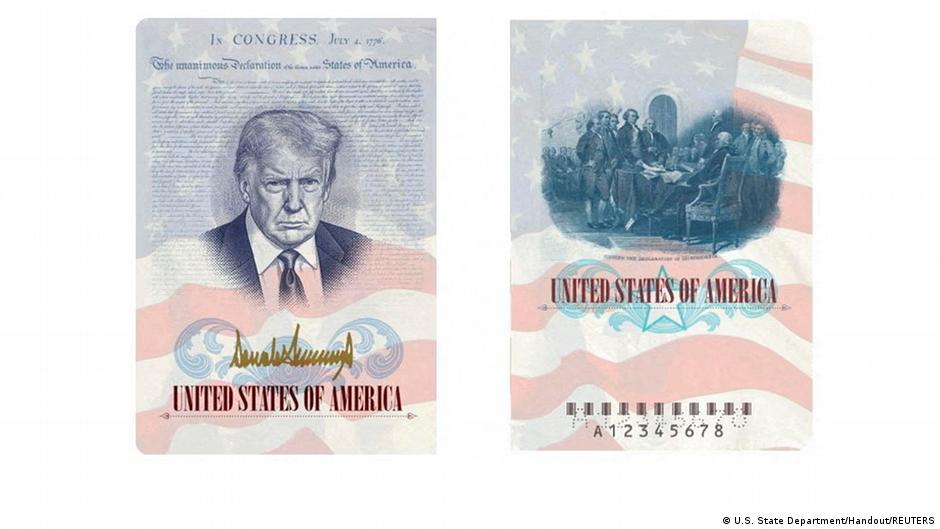
In a significant move tied to the United States’ 250th independence anniversary, the U.S. State Department announced the issuance of a new series of passports featuring the portrait of the sitting President Donald Trump. This special edition passport will be primarily distributed through the passport agency in Washington, D.C., marking a historic departure from traditional passport designs.
Market Implications of Political Symbolism in Government Issuances
The introduction of Trump’s image on official government documents symbolizes a notable fusion of politics and national identity, which could ripple across various sectors on Wall Street. While the exact quantity of Trump-design passports planned for circulation remains undisclosed, the initiative reflects a broader branding and political strategy that may influence investor sentiment and sector rotation.
Investors and equity analysts might closely monitor the potential market effects as this move aligns with other recent government acts featuring Trump’s likeness, including his signature appearing on newly minted $100 bills and a forthcoming 24-karat gold coin celebrating freedom. Such high-profile integrations may boost trading volumes for companies involved in currency production, minting, and related security printing technologies.
"The issuance of passports bearing President Trump’s image represents more than symbolic patriotism; it may affect perceptions in sectors tied to government contracts and national branding," said an equity research analyst.
The passport's design deviates from the standard, which traditionally features artwork by Edward Percy Moran, depicting Francis Scott Key inspired by the bombardment of Fort McHenry. Instead, Trump’s passport showcases his face and signature in gold lettering on the inner front cover, with the back cover adorned by a fragment of John Trumbull’s "Declaration of Independence."
Financial markets may view this as a signal of intensified governmental influence in cultural and national artifacts, prompting investors to reassess exposure to defense contractors, security technology firms, and specialty printing companies. Additionally, the Trump administration's replacement of the U.S. Commission of Fine Arts members with loyalists and the naming of institutes and military vessels after Trump further intertwine political branding with government spending patterns.
These developments could lead to a subtle rotation within equity sectors, benefiting companies linked to government contracts, security, and patriotic merchandising. Traders should watch volumes for stocks in these niches, as increased governmental endorsement often correlates with elevated contract awards and production demands.
Moreover, the planned construction of two new U.S. Navy vessels named after Trump, equipped with advanced weaponry, underscores continued robust defense procurement, potentially boosting defense sector valuations.
Overall, the symbolic embedding of President Trump’s image into foundational U.S. documents and assets may serve as a catalyst for specific sector movements and trading volume fluctuations on Wall Street.