Central Bank Holds Key Rate at 14% Amid Inflation Concerns and External Risks
Despite easing inflation, food prices and external challenges lead the Central Bank to maintain its benchmark interest rate at 14%.
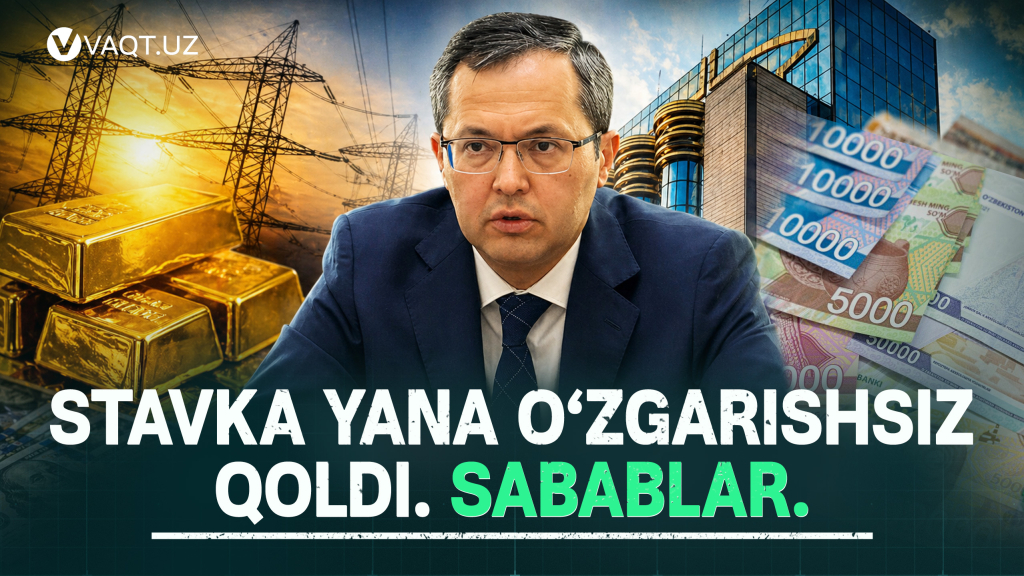
On April 29, the Central Bank's board decided to keep the key interest rate steady at an annual rate of 14%, citing ongoing economic conditions, inflation dynamics, and external risks.
Inflation Trends and Economic Growth
Recent data show that overall inflation is trending downward, with annual inflation recorded at 7.1% in March 2024. Inflation expectations are also contracting, signaling positive developments for the economy.
However, a critical concern remains the rapid increase in food prices. Prices for essential consumer goods continue to rise significantly, exerting inflationary pressure despite the broader easing trend. This factor has led the Central Bank to deem current conditions insufficient to justify a rate cut.
"Although inflation is decreasing, this process has slowed and is not evident in all market segments," stated Central Bank Chairman Temur Ishmetov during the meeting, emphasizing the singular focus on maintaining the current rate.
Energy tariffs and utility prices are also key inflation components. A tariff indexation of up to 10% announced earlier in the year has been factored into inflation forecasts, though exact figures remain unconfirmed.
External economic factors add further pressure. The International Monetary Fund has downgraded its global growth forecasts and highlighted persistent inflation risks. Notably, fluctuations in energy and food prices are expected to impact the domestic market.
On the growth front, Uzbekistan's economy expanded by 8.7% in the first quarter, surpassing expectations. This strong performance may increase domestic demand and further fuel inflationary pressures, which the Central Bank took into account during its deliberations.
Impact on Markets and Financial Sector Developments
The Central Bank's decision to hold rates steady is likely to influence sector rotation and investor sentiment on Wall Street, particularly among financials and commodities linked to energy and food production sectors. Traders should monitor volume shifts as markets digest the implications of sustained high rates amid moderate inflation declines.
Additionally, the ongoing privatization of state banks, including Sanoatqurilishbank, Aloqabank, and Asakabank, continues to shape the financial sector landscape. While the Central Bank is not directly involved in the privatization, it participates in evaluation and analysis efforts, signaling potential opportunities for equity investors focusing on emerging market banking assets.
The regulator maintains a strict currency policy stance, with the exchange rate remaining under a floating regime and no artificial interventions planned. This approach supports market-driven currency valuation, which may affect foreign exchange trading volumes and cross-border investment flows.
Looking ahead, the Central Bank emphasized the importance of inflation and risk dynamics in future monetary policy adjustments. Should inflationary pressures diminish, a rate reduction could be considered; otherwise, tightening measures may be implemented.
Market participants and equity analysts should closely monitor these developments to gauge sector rotation trends, trading volumes, and investment risks associated with the Central Bank’s monetary stance and macroeconomic outlook.