EU-Mercosur Free Trade Zone Launch Sparks Sector Rotation and Trading Volume Shifts on Wall Street
Temporary implementation of EU-Mercosur trade deal drives investor focus on automotive, machinery, and pharmaceutical sectors amid regulatory scrutiny.
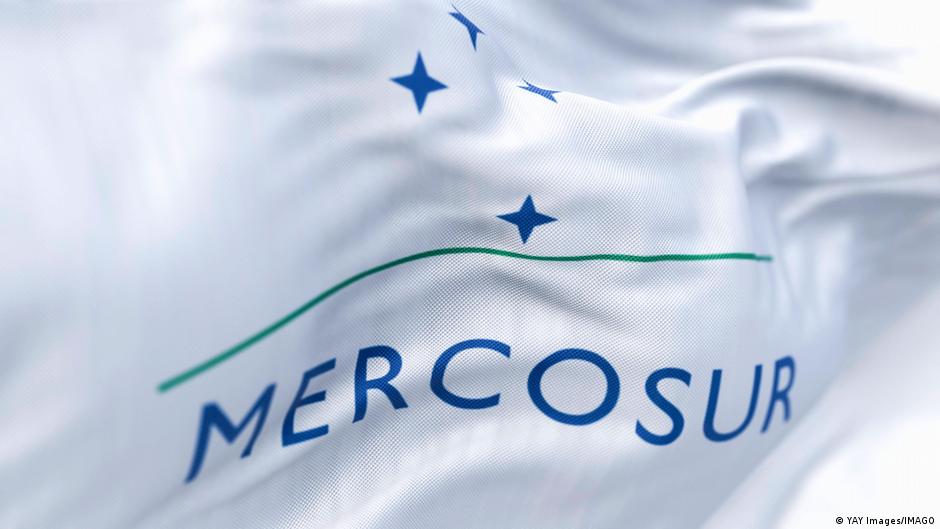
On May 1, the European Union and the South American trade bloc Mercosur, comprising Brazil, Argentina, Uruguay, and Paraguay, initiated a temporary free trade agreement (FTA). This landmark deal aims to boost bilateral trade by reducing tariffs and trade barriers, with significant implications for global equity markets, particularly in sectors tied to automotive, machinery, and pharmaceuticals.
Market Implications and Sector Rotation
The EU-Mercosur agreement creates a trade zone encompassing roughly 720 million people, expected to lower customs duties by billions of euros. German industrial associations have highlighted the deal's potential to enhance their domestic industries, despite Mercosur currently representing only 1% of Germany's external trade.
“With the May 1 entry into force, trade with South America gains substantial importance for German companies, signaling a strong market shift,” said Volker Treier, head of external trade at the German Chambers of Industry and Commerce (DIHK).
Wall Street investors are monitoring the deal for signs of sector rotations favoring stocks in automotive manufacturers, industrial machinery makers, and pharmaceutical companies that stand to benefit from expanded market access. Trading volumes in related equities have shown early signs of increased activity as market participants price in growth prospects linked to the trade expansion.
However, the agreement also introduces regulatory uncertainty. The deal requires full ratification by the European Parliament, which has raised concerns about compliance with EU law, particularly regarding environmental and investment regulations. A legal review by the Court of Justice of the European Union is underway, potentially delaying full implementation.
In response, the European Commission has moved forward with provisional application of the free trade mechanisms, authorized by the European Council following ratification by Uruguay and Argentina. This strategic move is designed to accelerate market access benefits without awaiting the potentially protracted judicial review.
Investor Caution Amid Political and Environmental Concerns
Despite the trade deal’s positive market prospects, prominent EU members such as France and Austria have voiced opposition, citing fears that Mercosur's lower environmental standards and agricultural subsidies may undercut European producers. Environmental groups warn the agreement might exacerbate deforestation in the Amazon, adding a layer of ESG risk factors for investors to consider.
This tension between trade liberalization and sustainable investment considerations is prompting equity analysts to reassess risk profiles within affected sectors. Companies involved in the supply chains connected to Mercosur countries could face volatility based on evolving regulatory and political developments in the EU.
Overall, the EU-Mercosur free trade zone launch is driving notable shifts on Wall Street, with increased trading volumes and sector rotation as markets adapt to new opportunities and risks. Investors are advised to monitor parliamentary developments and environmental policy debates closely to navigate this evolving landscape.