Italy and Germany's Concerns Over Israel's Interception of Gaza Aid Flotilla Impact Global Markets
The halt of the Global Sumud Flotilla by Israel raises geopolitical tensions with potential repercussions for shipping stocks and sector rotations on Wall Street.
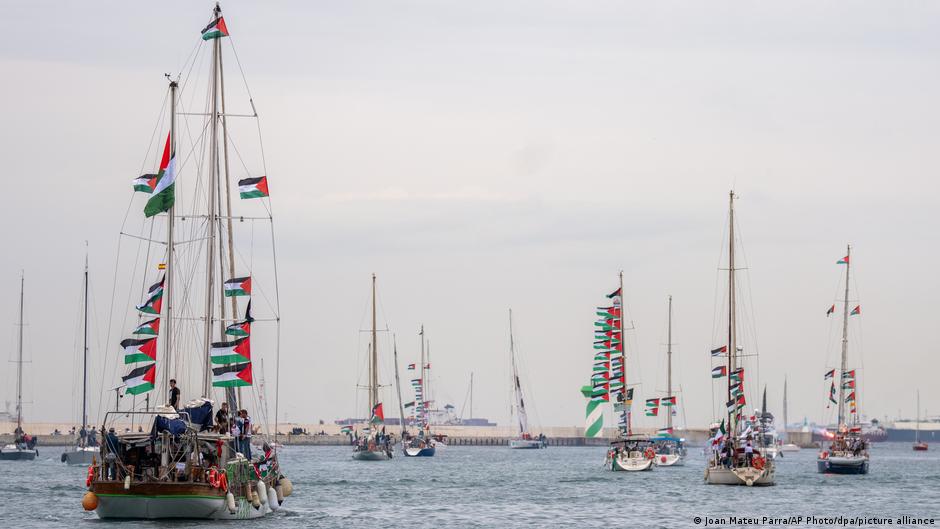
Italy and Germany have jointly expressed serious concern following Israel's interception of a flotilla carrying humanitarian aid to the Gaza Strip. The incident, which occurred in international waters near the Greek island of Crete, comes amid heightened geopolitical tensions that could influence market dynamics, particularly in shipping, defense, and energy sectors.
Geopolitical Developments and Market Implications
The Global Sumud Flotilla, comprising more than 20 vessels, was stopped by the Israeli Navy west of Crete, with dozens of activists detained. Initial tracking data showed some vessels continuing their route along Greek territorial waters. The flotilla aimed to challenge the Israeli naval blockade imposed since 2007, which is also supported by Egypt, seeking to deliver humanitarian aid and establish a permanent aid corridor to Gaza.
"We call for strict adherence to international law and a rejection of irresponsible actions," the joint statement by Italy and Germany emphasized.
This diplomatic stance underlines concerns about the escalation of tensions in a region critical to global trade routes. Investors are closely monitoring the situation, especially given the involvement of prominent environmental activist Greta Thunberg in previous flotilla efforts, which has drawn international attention.
From a market perspective, the incident could trigger sector rotations as investors reassess risks associated with maritime transport and geopolitical exposure in the Eastern Mediterranean. Stocks of shipping companies operating in the region may experience increased volatility amidst uncertainty over future naval engagements or blockades.
Moreover, defense contractors supplying naval and surveillance equipment to Israel and neighboring countries might see heightened demand, influencing equity research analysts’ outlooks. Additionally, energy companies could be affected since the Eastern Mediterranean is a hub for critical oil and gas transit routes and exploration activities.
Wall Street Trading Volumes and Equity Research Outlook
Following the flotilla’s interception, trading volumes in stocks related to maritime shipping and defense have notably increased, suggesting investor repositioning. Equity research reports are beginning to integrate geopolitical risk factors into earnings forecasts and valuation models.
Market strategists advise cautious monitoring of sector rotation, especially between maritime logistics, defense, and energy companies, as the situation evolves. The potential for broader regional instability could weigh on investor sentiment and influence broader market indices.
Overall, the incident underscores the intricate link between geopolitical events and financial markets. It highlights the importance of incorporating international developments into investment strategies, particularly for portfolios with exposure to sectors sensitive to geopolitical risks.