US-Iran Tensions Roil Markets as Trump Threatens Oman Amid Strait of Hormuz Dispute
Rising geopolitical risks in the Strait of Hormuz spur sector rotation and elevated trading volumes on Wall Street.
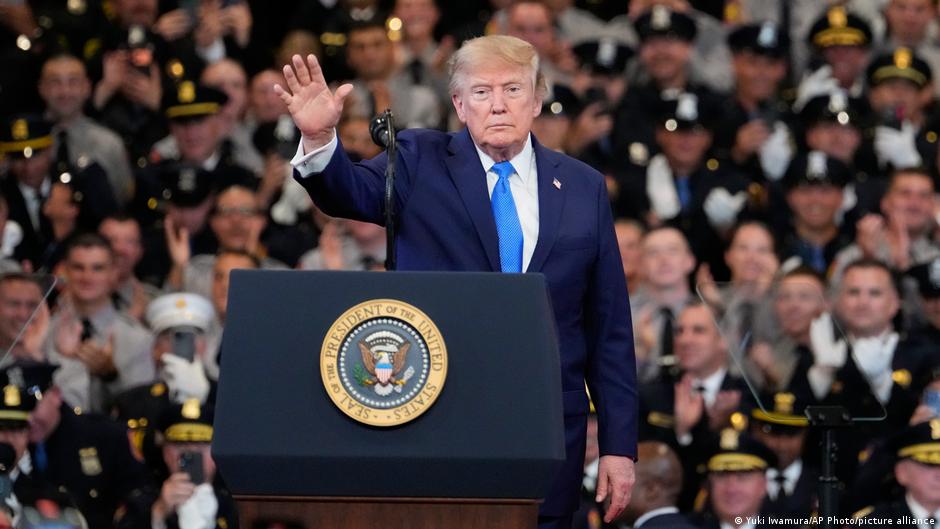
Heightened tensions in the Middle East following US President Donald Trump’s threat of military action against Oman have rattled global markets, affecting specific sectors and trading dynamics on Wall Street.
On August 17, Trump warned that the US would "bomb the folly out of Oman" if it interfered with ongoing negotiations between Washington and Tehran regarding control of the strategically vital Strait of Hormuz. This narrow waterway is critical for global oil shipments, historically channeling about 20% of the world’s oil supply before recent hostilities escalated.
Geopolitical Risks Prompt Sector Rotation and Volatility on Wall Street
Markets reacted swiftly to the threat, with energy stocks experiencing pronounced volatility. Oil companies such as ExxonMobil and Chevron saw increased trading volumes as investors anticipated potential disruptions in crude supply. Conversely, sectors sensitive to geopolitical instability, including airlines and international consumer goods, faced sell-offs amid fears of broader conflict repercussions.
Equity research analysts highlight the elevated risk premium now pricing into energy equities. "The escalation around the Strait of Hormuz raises the prospect of supply chain interruptions, which typically benefit upstream oil producers," commented a senior strategist. However, they caution that prolonged instability could dampen overall economic growth, pressuring cyclical sectors.
"The Strait of Hormuz remains a geopolitical flashpoint, and the latest threats underscore the importance of monitoring energy supply routes for market impact." – Equity Research Analyst
The recent 60-day negotiation window, established under a US-Iran memorandum signed during the G7 summit, expired without resolution. Iran’s attacks on vessels in the Strait and subsequent US airstrikes in July have exacerbated tensions, with Iran also targeting military bases in neighboring Gulf states.
Meanwhile, Turkey’s President Recep Tayyip Erdogan has urged continued dialogue, proposing Ankara as a mediator to de-escalate the situation. His outreach to Trump included discussions on regional conflicts, defense pacts, and bilateral US-Turkey relations, indicating a complex geopolitical environment influencing investor sentiment.
Trading desks report that volumes on energy-focused ETFs and commodity futures surged as investors sought to hedge against volatility. The rotation out of riskier equities into defensive positions like utilities and gold also intensified. Market participants remain cautious amid uncertainty over whether diplomatic efforts will succeed or if military engagement will escalate.
In summary, the unfolding geopolitical crisis centered on the Strait of Hormuz and US-Iran standoff is driving sector-specific market moves on Wall Street. Energy equities benefit from supply disruption risk, while broader market volatility and sector rotation reflect investor concerns over regional instability impacting global growth prospects.