US-Iran Tensions Escalate Amid Strait of Hormuz Strikes, Impacting Energy and Defense Stocks
New US military strikes on Iran near Strait of Hormuz raise geopolitical risks, influencing sector rotation and trading volumes on Wall Street.
The recent escalation of military strikes between the United States and Iran in the Strait of Hormuz region has reignited geopolitical uncertainties, significantly affecting specific stock sectors and trading patterns on Wall Street.
US-Iran Conflict and Market Reaction
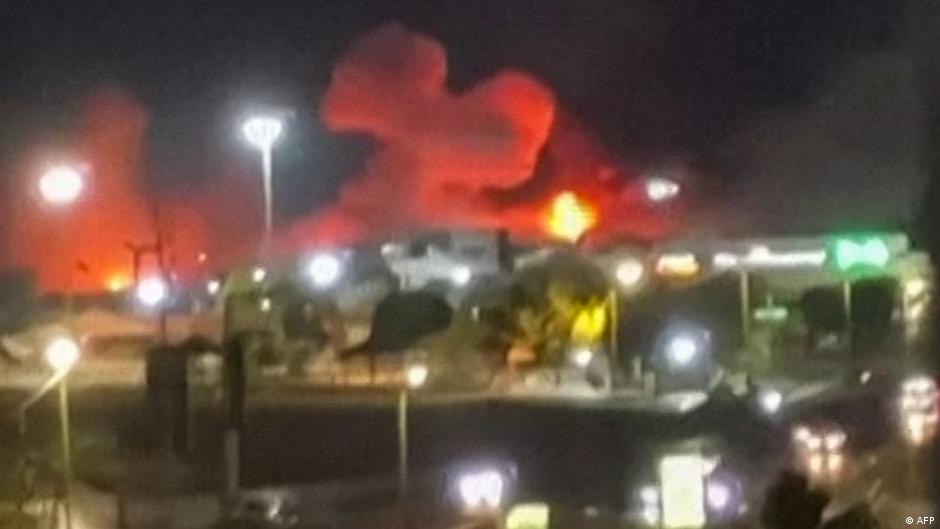
On the night of July 13, the US Central Command (CENTCOM) announced new airstrikes targeting Iranian military installations near the strategic Strait of Hormuz. These strikes aim to undermine Iran's capacity to attack civilian and commercial vessels navigating the vital shipping route, which handles about 20% of the world’s oil trade.
"The Supreme Commander has ordered these strikes to deter the Iranian regime," stated CENTCOM on social media platform X.
In response, Iranian state media reported explosions near key locations including Bandar Abbas, Sirik, and Qeshm Island, with reports of casualties. The Iranian Revolutionary Guard Corps (IRGC) declared the Strait "closed until further notice," aiming to disrupt global oil flows. However, the US military and President Donald Trump have insisted that shipping continues unimpeded, underscoring the contested control over the area.
These developments follow a series of tit-for-tat attacks: US strikes on approximately 140 Iranian military targets—including missile depots, drone facilities, and communication hubs—were launched on July 12 after an IRGC assault on the container ship GFS Galaxy. Iran claims the vessel was off its approved route, while the US interprets the attack as an aggressive act against commercial shipping.
Subsequently, Iran targeted US-affiliated military installations in the Persian Gulf and Jordan, including the Al-Udeid Air Base in Qatar and the port of Duqm in Oman, which Iran alleges supports US aircraft carrier deployments. These military escalations have heightened investors’ concerns over potential disruptions in energy supply and increased defense spending.
Stock Market Implications and Sector Rotation
Wall Street has responded notably to the unfolding crisis. Energy stocks, particularly in oil exploration and pipeline companies, experienced increased volatility amid fears of supply chain interruptions. Benchmark crude oil futures saw price surges, lifting equities in the energy sector.
Conversely, transportation and shipping companies with exposure to Middle Eastern routes faced pressures due to the risks of navigating the Strait of Hormuz. Insurance and logistics firms also saw shifts in trading volumes as market participants reassessed risk profiles.
Defense contractors and aerospace companies gained investor attention, anticipating possible increases in US military budgets prompted by heightened Middle East tensions. Market analysts note a rotation from growth-oriented sectors to those benefiting from geopolitical uncertainty and defense spending.
Trading volumes across affected sectors have spiked, reflecting increased market sensitivity to the conflict. Equity research reports emphasize monitoring ongoing developments, with some analysts recommending tactical exposure to energy and defense equities while adopting caution on Middle East-dependent transport firms.
Outlook Amid Diplomatic Stalemates
Despite a framework agreement signed in mid-June to halt hostilities and reopen the Strait of Hormuz, attacks have continued since late June, undermining ceasefire efforts. On July 8, President Trump declared the understanding with Iran null, reinstated sanctions, and expressed skepticism toward direct negotiations.
Confidential diplomatic talks have acknowledged Iranian admission of errors by "uncontrolled elements" responsible for attacks on vessels, but no breakthrough has been achieved. The impasse has heightened volatility and uncertainty in global markets, especially those linked to energy and defense.
Investors are advised to stay alert to further geopolitical developments, which could drive market rotations and influence trading volumes on Wall Street in the near term.