US-Iran Negotiations Delay Weighs on Middle East Stocks and Sector Rotation
Postponed US-Iran talks impact market sentiment, increasing volatility in energy and defense sectors amid geopolitical uncertainty
The recent postponement of critical US-Iran negotiations in Switzerland is causing notable ripples across Wall Street, affecting sector rotations, trading volumes, and equity sentiment tied to Middle Eastern geopolitical developments.
Geopolitical Tensions Influence Market Dynamics
US Special Envoy Steven Witkoff's trip to Switzerland for talks with Iranian representatives aimed at reviving the nuclear deal was delayed due to ongoing conflicts in southern Lebanon. The talks, originally scheduled for June 19, were postponed despite a remote memorandum signed on June 17, which included a ceasefire agreement and initiated a 60-day negotiation period.
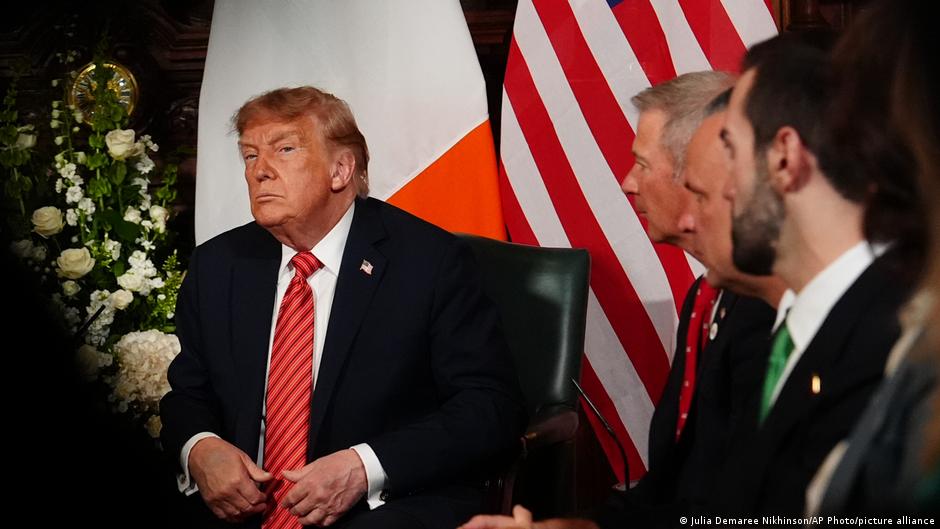
US President Donald Trump publicly attributed the delay to Iran, emphasizing a hardline stance that the country will not receive financial aid during the talks period. The proposed memorandum reportedly includes a $300 billion investment fund for Iran’s reconstruction and the unblocking of $24 billion in Iranian assets, both now uncertain.
"This is not us going into negotiations out of desperation, it’s Iran. They are finished! We will determine how these 60 days go. They won’t get a dime," Trump stated on social media.
These geopolitical developments are contributing to sector rotations on Wall Street, particularly impacting energy, defense, and emerging markets equities. Investors are recalibrating risk amid fears of prolonged instability in the Middle East, with increased trading volumes observed in related stocks.
Sectoral Impact and Equity Research Perspectives
Energy sector stocks have seen heightened volatility as the prospect of sustained conflict threatens oil supply routes. Defense contractors and security service providers are also experiencing increased interest as markets price in potential escalations.
Emerging market funds with Middle Eastern exposure have shown downward pressure, reflecting investor caution. Equity analysts advise close monitoring of political developments, as renewed hostilities could lead to further market disruptions.
Market participants are watching the involvement of regional mediators such as Qatar and Pakistan, whose roles may influence the timing and success of resumed negotiations. The delay has introduced uncertainty into what was expected to be a period of détente and economic opportunity for Iran, which in turn affects related equities.
Overall, the postponement underscores how diplomatic setbacks in high-stakes geopolitical negotiations can rapidly alter market sentiment, driving sector rotation and affecting trading strategies focused on Middle East risk exposure.