US-Iran Hostilities Spark Market Uncertainty Amid Rising Oil Prices and Sector Rotation
Military clashes between the US and Iran after a drone attack on a commercial vessel trigger volatility in energy stocks and trading volumes.
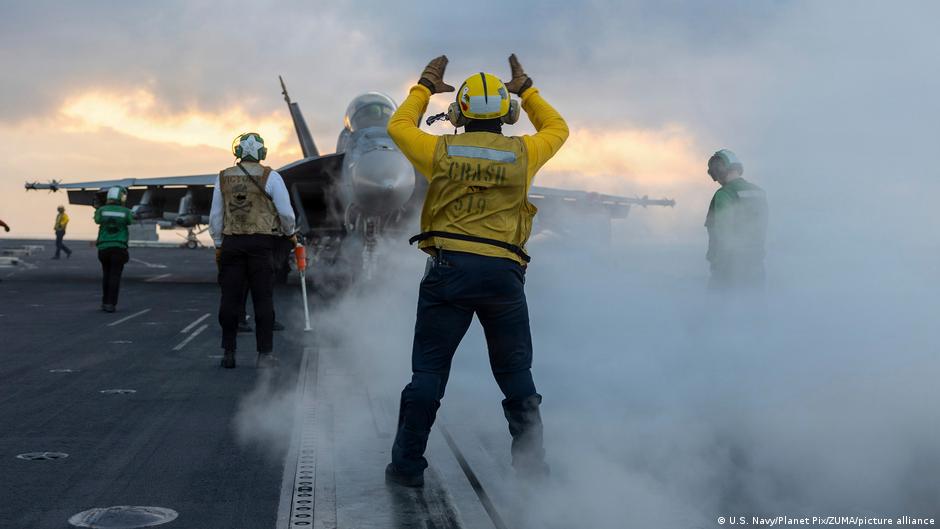
On June 26, escalating military tensions between the United States and Iran spurred renewed uncertainty in global markets, particularly impacting energy stocks and sector rotation strategies. The conflict escalated after US forces conducted airstrikes on Iranian missile and drone storage facilities, as well as coastal radar sites, in retaliation for a drone attack on the Singapore-flagged cargo ship Ever Lovely near the strategic Strait of Hormuz.
Market Impact of Middle East Tensions
The US Central Command (CENTCOM) confirmed that American air strikes targeted Iranian assets following Iran’s drone attack on June 25. This was the first such strike in the region after a June 17 framework agreement between the US and Iran intended to cease hostilities and secure navigation through the Strait of Hormuz. In response, Iran’s Islamic Revolutionary Guard Corps (IRGC) launched missile attacks on US military bases in the Middle East, warning of even more severe retaliation if aggressive actions continue.
As the confrontation intensifies, global oil markets have reacted sharply. Brent crude and WTI futures climbed, reflecting concerns over supply disruptions in one of the world's most critical maritime chokepoints. This price uptick has lifted energy sector equities, with oil producers and energy infrastructure companies witnessing increased trading volumes and notable gains.
Investors have been rotating capital into defensive sectors such as utilities and energy, amid fears of prolonged geopolitical instability. Equity research analysts highlight the surge in energy prices as a double-edged sword, potentially boosting earnings for energy firms but also raising input costs for energy-dependent industries.
"The renewed hostilities in the Strait of Hormuz have injected significant volatility into the markets, with energy stocks outperforming due to supply concerns, while broader indices face pressure from geopolitical risk premiums," noted a leading equity strategist.
The International Maritime Organization (IMO) has suspended evacuation operations for hundreds of vessels and over 11,000 crew members stranded in the Persian Gulf due to the conflict, further intensifying supply chain risks. The delay threatens to tighten global oil supply and exacerbate price volatility, factors closely monitored by traders and market analysts.
US President Donald Trump labeled Iran's actions as a "foolish" violation of the ceasefire agreement, emphasizing that Iran deployed at least four drones against commercial vessels passing through the Strait. The heightened rhetoric and military activity underscore ongoing risks that could prolong regional instability and market disruptions.
Trading Volumes and Sector Rotation Trends
Following the military exchanges, trading volumes in energy-related ETFs and oil majors surged. Market participants reallocated portfolios towards sectors benefiting from potential price spikes, while reducing exposure to risk-sensitive sectors like technology and consumer discretionary. This rotation reflects a cautious stance as investors weigh geopolitical risks against economic growth prospects.
Equity research reports suggest that energy companies with upstream operations in stable jurisdictions and solid balance sheets may offer attractive risk-adjusted returns amid the uncertainty. Conversely, companies with high operational leverage in volatile regions face heightened downside risks.
Overall, the US-Iran hostilities have added a layer of complexity to the market outlook, underscoring the importance of monitoring geopolitical developments alongside traditional economic indicators.