US-Iran Conflict Sparks Volatile Market Reactions: Energy Stocks and Middle East Tensions in Focus
Nine consecutive nights of US strikes on Iran escalate geopolitical risks, impacting energy sector stocks and trading volumes.
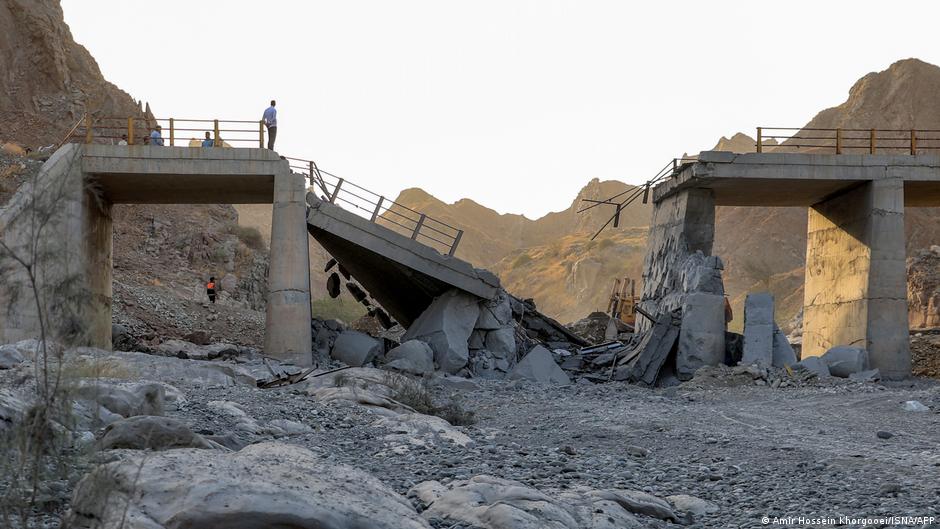
The ongoing military conflict between the United States and Iran has intensified, with the US conducting airstrikes on Iranian targets for the ninth consecutive night. This escalation is prompting notable reactions across global markets, particularly in energy stocks and shipping sectors linked to Middle Eastern trade routes.
Geopolitical Escalation and Market Implications
According to the US Central Command (CENTCOM), the latest airstrikes commenced on July 20 at 2:30 AM local Iranian time, targeting Iranian military assets believed to be involved in attacks on commercial vessels and maritime personnel navigating the strategically critical Strait of Hormuz. The US aims to degrade Iran’s military capabilities amid rising tensions following the breakdown of a ceasefire agreement.
In response, Iran’s Islamic Revolutionary Guard Corps (IRGC) has attacked US military installations in Kuwait and Bahrain, further intensifying regional instability. Additionally, the IRGC detained two oil tankers near the Strait of Hormuz, vessels which Iranian state media claim exploded after attempting unauthorized passage through the southern route of the strait.
"Tonight, we struck them very hard again," US President Donald Trump stated, framing the attacks as a tribute to fallen American soldiers in the ongoing conflict.
The human toll of this conflict has grown, with CENTCOM reporting three additional US military fatalities in the recent escalation, bringing total deaths to 17 since hostilities began.
Energy Markets and Sector Rotation Amid Conflict
The Strait of Hormuz is a vital chokepoint for global oil and liquefied natural gas (LNG) shipments, with recent disruptions causing a noticeable decline in shipping traffic. Data from the London Stock Exchange’s maritime analytics show a decrease from eight vessels transiting on July 18 to just four on July 19, reflecting heightened risk perceptions among shipping operators.
Despite these disruptions, S&P Global reports that LNG production levels in Qatar and the United Arab Emirates have remained relatively stable. However, increased volumes of LNG are now being stored on tankers anchored in the Persian Gulf, awaiting safer transit conditions. Currently, LNG carriers in the region hold nearly 1.9 million tonnes of gas, underscoring logistical challenges caused by the conflict.
These geopolitical developments have led to increased volatility in energy sector equities, with investors closely monitoring risk in Middle East supply chains. Market participants are witnessing sector rotation, favoring defensive stocks and those less exposed to Middle Eastern geopolitical risks, as well as energy firms that may benefit from tighter global supply.
Trading Volumes and Equity Research Perspectives
Trading volumes in related energy stocks and maritime transport equities have surged amid the heightened uncertainty. Equity research analysts emphasize the importance of monitoring the situation, particularly the potential impact on global oil prices and LNG supply stability. Some research notes suggest that, while the immediate conflict elevates risk premiums, sustained disruptions could accelerate investment in alternative energy sources and supply diversification efforts.
In conclusion, the US-Iran conflict continues to generate significant market reverberations, with energy and maritime sectors at the forefront. Investors and traders are advised to remain vigilant as geopolitical developments evolve, influencing sector rotations and trading patterns across global equity markets.